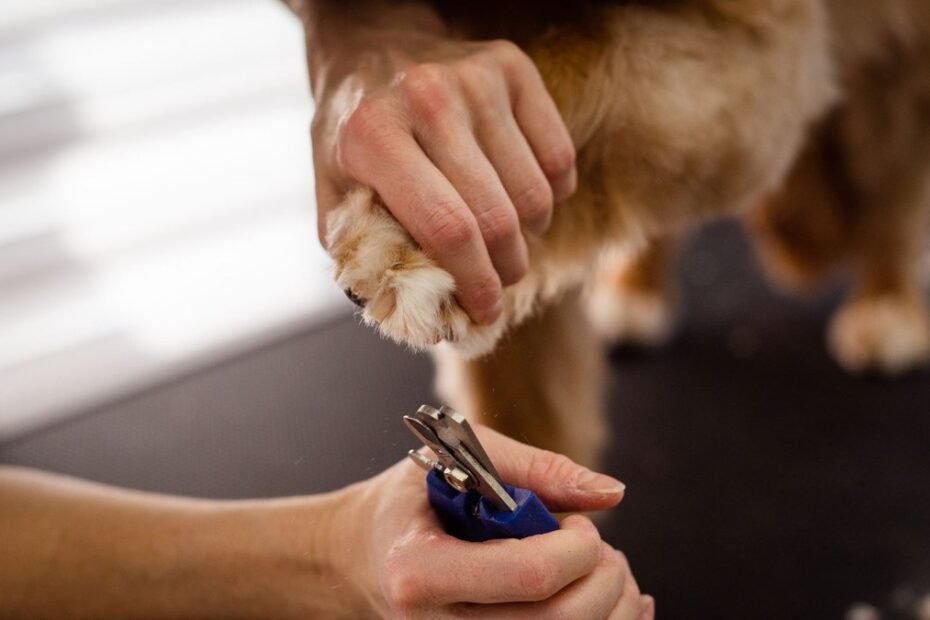
Trimming your dog’s nails is one of those grooming jobs that feels intimidating — but it’s genuinely important for your dog’s comfort and health, and the right tool makes it far easier. Overgrown nails can cause pain, affect how your dog walks, and even lead to joint problems over time. With a good pair of nail clippers (or a grinder) and a little technique, you can keep your dog’s nails healthy at home and save on grooming bills. This guide covers how to choose the best dog nail clippers, the types available, and how to trim safely without the stress.
Why Nail Trimming Matters
Nails that get too long aren’t just a cosmetic issue. Overgrown nails can be painful, force your dog to walk awkwardly (putting strain on their legs and joints), snag and tear, and in severe cases curl around into the paw pad. You can often hear when nails are too long — that clicking on hard floors is a sign it’s time for a trim. Regular trimming keeps your dog comfortable, protects their posture and joints, and prevents painful problems down the line. It’s a small routine task with a big impact on your dog’s wellbeing.
Types of Dog Nail Clippers
Scissor (Plier-Style) Clippers
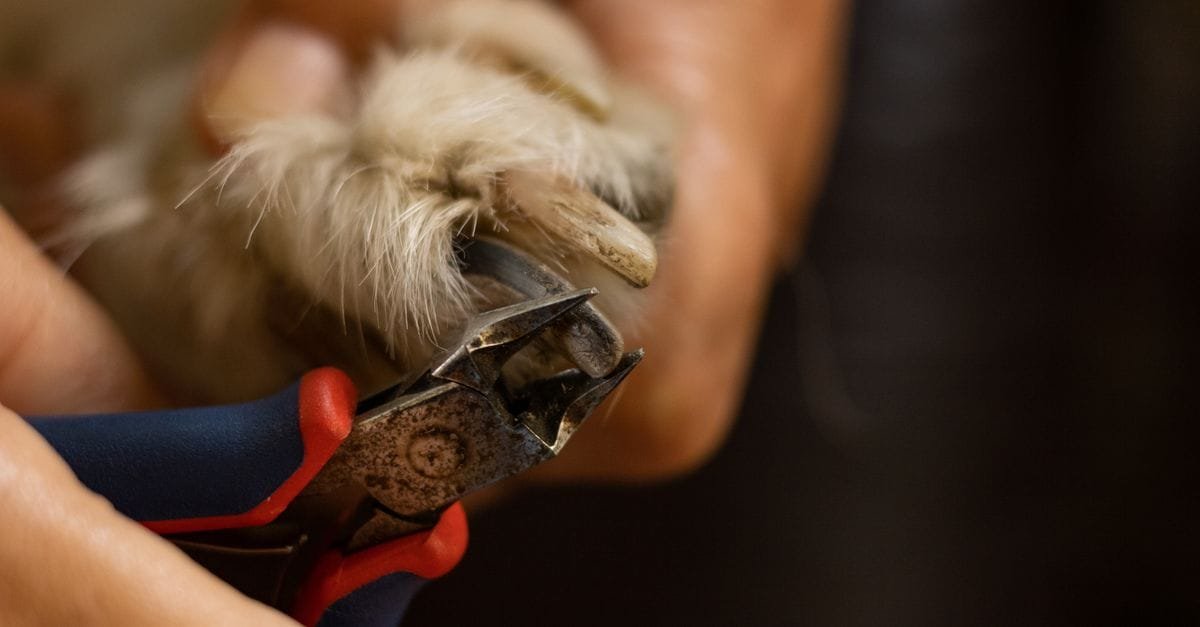
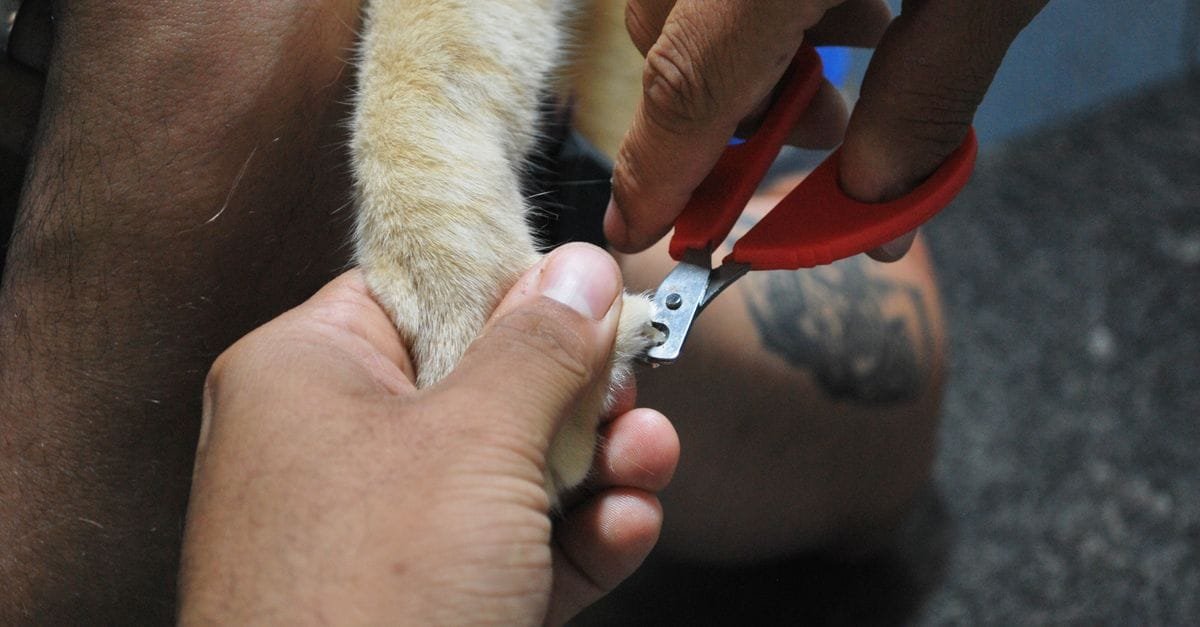
Shaped like scissors or pliers, these are strong and give good control — ideal for medium to large dogs and thicker nails. They’re a popular, reliable all-rounder for most dogs.
Also Read


Guillotine Clippers
You place the nail through a hole and a blade slides up to cut. These can be easy to use on small and medium dogs, though the blade needs to stay sharp and they suit thinner nails better than very thick ones.
Nail Grinders (Dremel-Style)
Instead of cutting, a grinder files the nail down with a rotating head. Grinders give a smooth, rounded finish, offer great control to avoid cutting too far, and are often less scary for dogs once they get used to the sound and vibration. They’re excellent for thick nails and nervous owners worried about cutting the quick — though they take a little longer.
Dog nail care picks on Amazon
Keep your dog’s nails healthy and comfortable:
Clippers vs. Grinder: Which Is Better?
Both work well — it comes down to your dog and your comfort. Clippers are fast, quiet, and inexpensive, great if your dog tolerates trimming and you’re confident. Grinders are slower but give a smooth finish, more control to avoid the quick, and no sudden “snip,” which suits dogs frightened by clippers (once they adjust to the buzz). Many owners keep both: clippers for quick trims and a grinder to smooth the edges. If you’re nervous about cutting too far, a grinder is often the gentler learning curve.
What to Look For
- Right size for your dog — small clippers for small dogs, sturdy ones for large dogs and thick nails.
- Sharp, quality blades — sharp blades cut cleanly without crushing; dull ones hurt and fray the nail.
- Safety guard / quick sensor — a guard that limits how far you can cut helps prevent hitting the quick.
- Comfortable, non-slip grip — for control and steady cuts, especially with a wriggly dog.
- For grinders — low noise, manageable vibration, and rechargeable convenience.
Understanding the Quick
The most important thing to know: inside each nail is the quick, a sensitive area with blood vessels and nerves. Cutting it hurts and bleeds. On light-colored nails you can usually see the quick as a pinkish area — trim below it, leaving a margin. On dark nails the quick is hidden, so trim only a small amount at a time and look at the cut end; a pale center means you’re still safe, while a darker dot in the middle means you’re getting close — stop there. When in doubt, trim less. Regular small trims actually cause the quick to recede over time, letting you keep nails shorter safely.
How to Trim Your Dog’s Nails Safely
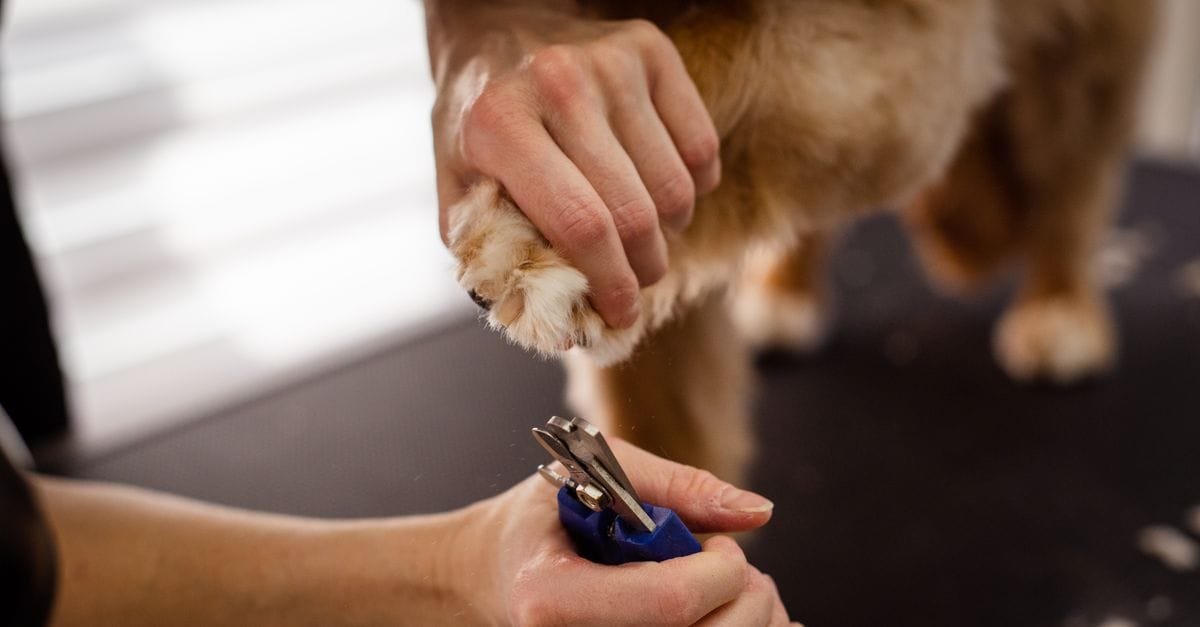
- Get the right position — hold the paw gently but firmly, and stay calm; dogs pick up on your nerves.
- Trim small amounts — take off little bits at a time rather than one big cut, especially on dark nails.
- Avoid the quick — cut below it on light nails; on dark nails, stop when you see the pale (then darkening) center.
- Don’t forget the dewclaws — the nails higher up on the inner leg, which don’t wear down naturally.
- Keep styptic powder handy — it stops bleeding fast if you accidentally nick the quick.
- Reward throughout — treats and praise keep the experience positive.
How Often Should You Trim?
Most dogs need a trim every few weeks, but it varies with breed, activity, and how fast their nails grow. A good rule of thumb: if you can hear the nails clicking on hard floors or see them touching the ground when your dog stands, they’re due for a trim. Dogs that walk a lot on pavement may wear their nails down naturally and need less frequent trimming, while less active dogs or those on soft ground need it more often. Regular, frequent small trims are easier on both of you than occasional big ones.
Helping a Nervous Dog Accept Nail Trims
Many dogs dislike having their paws handled, so go slowly and build positive associations. Start by simply touching and holding the paws, rewarding calm behavior, before you ever pick up the clippers. Let your dog see and sniff the tool, and pair it with treats. Trim just one or two nails at first, then reward and stop — you don’t have to do all of them in one session. For grinders, let your dog get used to the sound while it’s off, then on, before touching a nail. Patience and lots of treats turn a stressful job into a manageable routine over time. Never force a panicked dog; it only makes the next time harder.
When to See a Vet or Groomer
If your dog won’t tolerate trimming despite patient training, has very dark nails you can’t read, or you’re simply not comfortable doing it, a professional groomer or your vet can trim the nails quickly and safely — and can show you the technique. See your vet if a nail is badly overgrown, ingrown into the pad, torn, infected, or if the quick won’t stop bleeding after a nick. There’s no shame in getting help; the goal is healthy, comfortable nails, however you achieve it.
Caring for Your Clippers or Grinder
Good tools last longer and work better with a little care. Keep clipper blades clean and dry to prevent rust, and replace them (or the whole tool) when they dull — dull blades crush rather than cut, which hurts your dog and can splinter the nail. For grinders, clean nail dust off the sanding head, replace worn sanding bands, and keep the unit charged so it doesn’t lose power mid-trim. Store tools somewhere safe and dry. Well-maintained, sharp tools make trimming faster, cleaner, and far more comfortable for your dog.
Nail Health: Signs of a Problem
While trimming, take a moment to check your dog’s nails and paws. Healthy nails are smooth and intact; watch for cracked, split, or brittle nails, swelling or redness around the nail bed, limping, excessive paw licking, or a foul smell — these can signal injury, infection, or an underlying issue. Brittle or crumbling nails can sometimes relate to nutrition or health conditions. If you notice any of these signs, or a nail that’s torn or ingrown, check with your vet. Regular trimming doubles as a handy paw health check.
Frequently Asked Questions
What are the best dog nail clippers?
For most dogs, sturdy scissor/plier-style clippers with sharp blades and a safety guard are a reliable choice; small dogs may suit smaller clippers or a guillotine style. Nervous owners and thick-nailed dogs often prefer a grinder for its control and smooth finish. Match the tool to your dog’s size and your comfort.
Are nail grinders better than clippers?
Neither is strictly better — grinders give a smooth finish and more control to avoid the quick (great for nervous owners), while clippers are faster, quieter, and cheaper. Many owners use both. If you fear cutting too far, a grinder is often gentler to learn with.
How do I avoid cutting the quick?
Trim small amounts at a time. On light nails, cut below the visible pink quick; on dark nails, stop when you see a pale center appear in the cut end. Keep styptic powder nearby to stop bleeding if you nick it, and when unsure, trim less.
How often should I trim my dog’s nails?
Typically every few weeks, but it varies. If you hear clicking on hard floors or see nails touching the ground when your dog stands, it’s time. Active dogs on pavement may need it less often; less active dogs more.
What if my dog hates nail trims?
Go slowly — handle the paws with treats first, introduce the tool gradually, and trim just one or two nails per session with lots of rewards. Never force a panicked dog. If it stays a struggle, a groomer or vet can do it safely.
What do I do if I cut the quick and it bleeds?
Stay calm and apply styptic powder (or cornstarch in a pinch) with gentle pressure to stop the bleeding — it usually stops quickly. Comfort your dog, and if bleeding persists or the nail seems badly damaged, contact your vet.
Key Takeaways
- Regular nail trimming keeps your dog comfortable and protects their posture and joints.
- Choose between scissor clippers, guillotine clippers, or a grinder based on your dog’s size and your comfort.
- Look for the right size, sharp blades, a safety guard, and a non-slip grip — and keep styptic powder handy.
- Understand the quick: trim small amounts, avoid the sensitive center, and don’t forget the dewclaws.
- Build positive associations with treats, trim every few weeks, and see a groomer or vet if needed.
With the right clippers or grinder and a calm, gradual approach, trimming your dog’s nails becomes a simple routine that keeps them comfortable and healthy — no more painful overgrowth or clicking on the floor. Take it slow, reward generously, and you’ll both get the hang of it. Explore more in our Pet Grooming & Hygiene guides.

Hello! I'm Khan Hisham, a dedicated student with a profound passion for enhancing the lives of pets through comprehensive care. At Pawspera, our mission—"Prospering Pets, Every Day"—drives everything we do. We are committed to providing the latest insights, tips, and products that ensure your pet's health and happiness. Join us at Pawspera as we explore innovative ways to care for our furry friends with love and dedication.