
The first year of a puppy’s life is a period of rapid growth — and the right food lays the foundation for a healthy, happy adult dog. Puppies have very different nutritional needs from adult dogs, so feeding a quality puppy-specific food matters more than many new owners realize. This guide explains what to look for in the best puppy food, how puppy nutrition differs, feeding tips, and how to choose the right formula for your growing pup.
Why Puppies Need Special Food
Puppies grow fast and have higher energy, protein, fat, and specific nutrient needs than adult dogs. Puppy formulas are designed to support healthy development — building muscle, bones, brain, and a strong immune system. Feeding adult food to a puppy can leave gaps in crucial nutrients during this critical window. A food labeled “complete and balanced” for growth (or all life stages) ensures your puppy gets what they need to thrive.

What to Look For in Puppy Food
- Named animal protein first — real chicken, lamb, salmon, or similar to fuel growth and muscle.
- “Complete and balanced for growth” — meets established standards for puppies (or all life stages).
- Healthy fats — including DHA (an omega-3) which supports brain and eye development.
- Appropriate calcium & phosphorus — balanced for healthy bones, especially important for large breeds.
- Quality, recognizable ingredients — minimal fillers, no artificial colors or unnecessary additives.
Breed Size Matters
Puppy food often comes tailored by breed size, and it’s worth matching:
Also Read


- Small breeds — need calorie-dense food in small kibble sizes, as they grow fast and have tiny mouths and stomachs.
- Large & giant breeds — need carefully controlled calcium and calories to prevent too-rapid growth, which can cause joint and bone problems. Large-breed puppy formulas are specifically designed for this.
Feeding the right size formula helps your puppy grow at a healthy pace.
Puppy food picks on Amazon
Quality nutrition for your growing pup:
Wet, Dry, or Both?
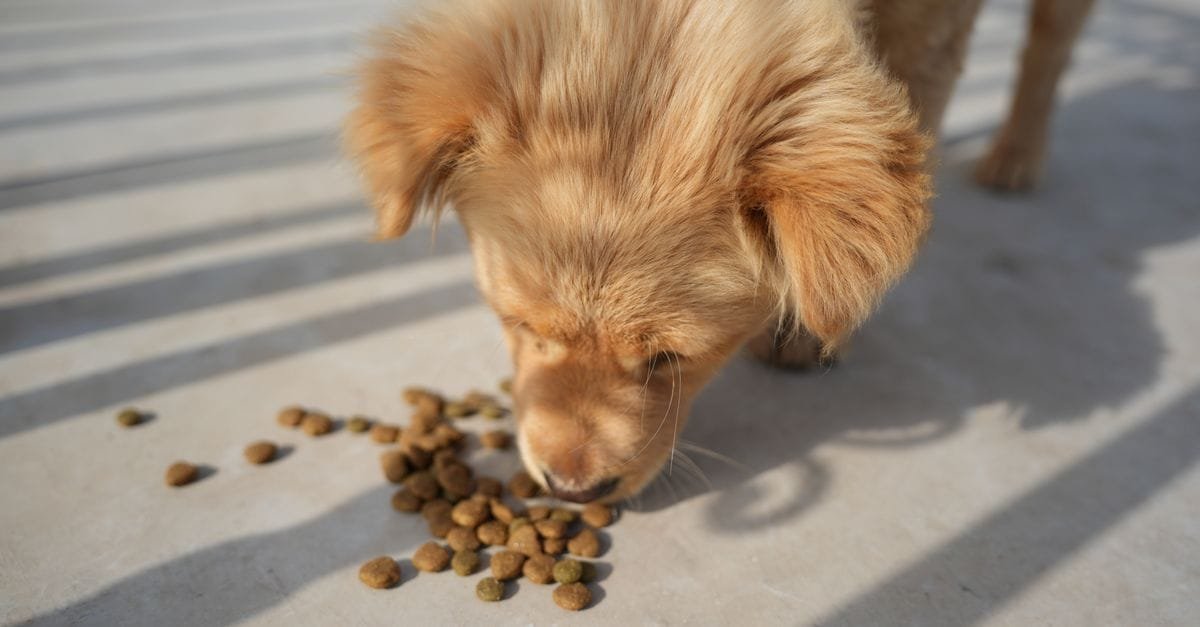
Dry puppy food (kibble) is convenient, affordable, and good for developing teeth. Wet puppy food is palatable and hydrating, helpful for fussy eaters or very young pups. Many owners feed a mix — dry as the base with some wet for appeal. For young puppies transitioning off mother’s milk, kibble can be softened with warm water at first. Whatever you choose, make sure it’s a complete puppy formula.

How Often to Feed a Puppy
Puppies need more frequent meals than adults because of their small stomachs and high energy needs. A general pattern: around 3–4 meals a day for very young puppies, reducing to about 2–3 as they grow, and typically two meals a day by adulthood. Follow the feeding guide on the packaging for your puppy’s age and weight, measure portions to avoid overfeeding, and keep fresh water available. Your vet can confirm the right schedule and amounts for your specific pup.
Transitioning Foods Safely
When changing your puppy’s food — including moving from puppy to adult food at the right age — do it gradually over about a week to avoid digestive upset: mix increasing amounts of the new food with the old. Most dogs switch to adult food when they near maturity, which is earlier for small breeds and later for large ones. Your vet can advise the right timing for your puppy.
A Note on Your Puppy’s Health
Nutrition is critical during growth, so involve your veterinarian — they can recommend the right food, portions, and feeding schedule, and monitor that your puppy is growing at a healthy rate. Watch for any digestive issues, poor coat, or growth concerns, and report them. Avoid overfeeding (puppy obesity is harmful), and never give puppies foods toxic to dogs. Good food plus regular vet care sets your puppy up for a healthy life.
Frequently Asked Questions
What is the best food for a puppy?
A “complete and balanced for growth” formula with a named animal protein first, healthy fats including DHA, and balanced calcium — matched to your puppy’s breed size. Large breeds especially need a formula designed for controlled growth.
How often should I feed my puppy?
Young puppies need around 3–4 small meals a day, reducing to 2–3 as they grow and typically two by adulthood. Follow the packaging guide for age and weight, and ask your vet to confirm the right schedule.
When should I switch from puppy to adult food?
Usually as your dog nears maturity — earlier for small breeds, later for large ones. Transition gradually over about a week, and check the timing with your vet, since it varies by breed size.
Can puppies eat adult dog food?
It’s not ideal — puppies need more protein, fat, and specific nutrients for growth than adult food provides. Feed a puppy or all-life-stages formula until your dog is ready to transition to adult food.
Key Takeaways
- Puppies need food formulated for growth — higher protein, fat, and nutrients like DHA.
- Choose a “complete and balanced for growth” food with a named protein first and quality ingredients.
- Match the formula to breed size — large breeds need controlled calcium and calories.
- Feed frequent measured meals (3–4 when young, fewer as they grow) with fresh water.
- Transition foods gradually, avoid overfeeding, and involve your vet in nutrition decisions.
Feeding the right puppy food is one of the most important things you’ll do for your new companion’s lifelong health. Choose a quality growth formula suited to their breed size, feed measured meals, and partner with your vet. Explore more in our Pet Nutrition & Diet guides.

Hello! I'm Khan Hisham, a dedicated student with a profound passion for enhancing the lives of pets through comprehensive care. At Pawspera, our mission—"Prospering Pets, Every Day"—drives everything we do. We are committed to providing the latest insights, tips, and products that ensure your pet's health and happiness. Join us at Pawspera as we explore innovative ways to care for our furry friends with love and dedication.