Indoor cats live longer, safer lives than outdoor cats — away from cars, predators, and disease. But four walls can get boring, and a bored cat is an unhappy (and sometimes badly behaved) cat. The good news: keeping an indoor cat happy is simple once you understand what they actually need. It comes down to satisfying their natural instincts — to climb, hunt, scratch, and watch the world — right inside your home. Here is how to do it.
Why Enrichment Matters
Cats are hunters by nature, wired to stalk, pounce, climb, and explore. Indoors, those instincts do not switch off — they just have nowhere to go. Without an outlet, cats get bored, and boredom shows up as overeating, over-grooming, scratching furniture, night-time “zoomies,” or even litter-box trouble. Enrichment is not a luxury; it is how you prevent these problems before they start.
Give Them Vertical Space
Cats feel safest up high, where they can survey their territory. Floor space matters less to a cat than vertical space. A cat tree, a few wall shelves, or a tall scratching post with perches lets your cat climb, leap, and look down on their kingdom — which is exactly what they want.
Also Read
-
How to Protect Dog Paws From Hot Pavement: The Seven-Second Test and Three Substitutions

-
How to Keep Dogs Cool in Summer: The Schedule, the Risk Tiers, and the Emergency Protocol

-
The Complete Pet Health Guide: Prevention, Warning Signs, and When to Call the Vet

-
Why Does My Puppy Have Hiccups? The Adorable Spasm, Explained

Let Them Hunt (Through Play)
Daily play is the closest thing to hunting your indoor cat gets, and it is essential. Aim for two short sessions a day:
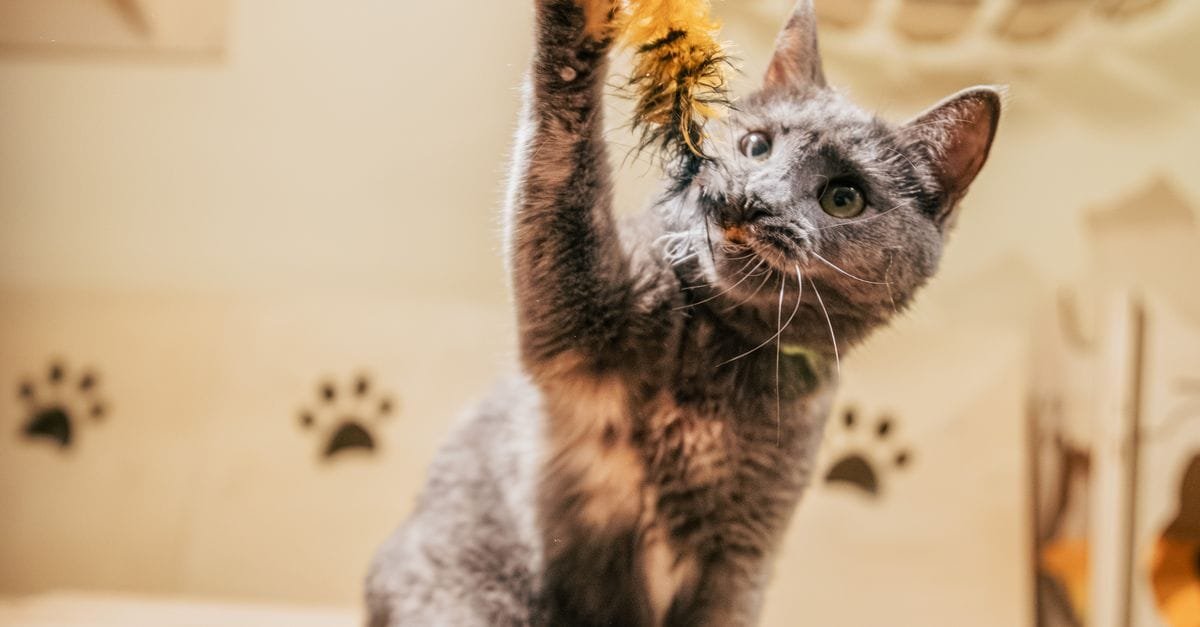
- Wand toys — a feather wand lets you mimic prey: dart it, hide it, let your cat stalk and “catch” it. End on a successful catch so they feel satisfied.
- Puzzle feeders — a puzzle feeder makes your cat “work” for food, engaging their brain and slowing down fast eaters.
- Solo toys — rotate a small set of toys (put some away, bring them back later) so they always feel new.
Provide a Scratching Outlet
Scratching is not bad behaviour — it is how cats stretch, mark territory, and keep their claws healthy. If you do not give them a good scratching post (tall and sturdy enough to stretch fully), they will use your sofa. Place it near where they sleep or where they have already tried to scratch.
Open a Window to the World
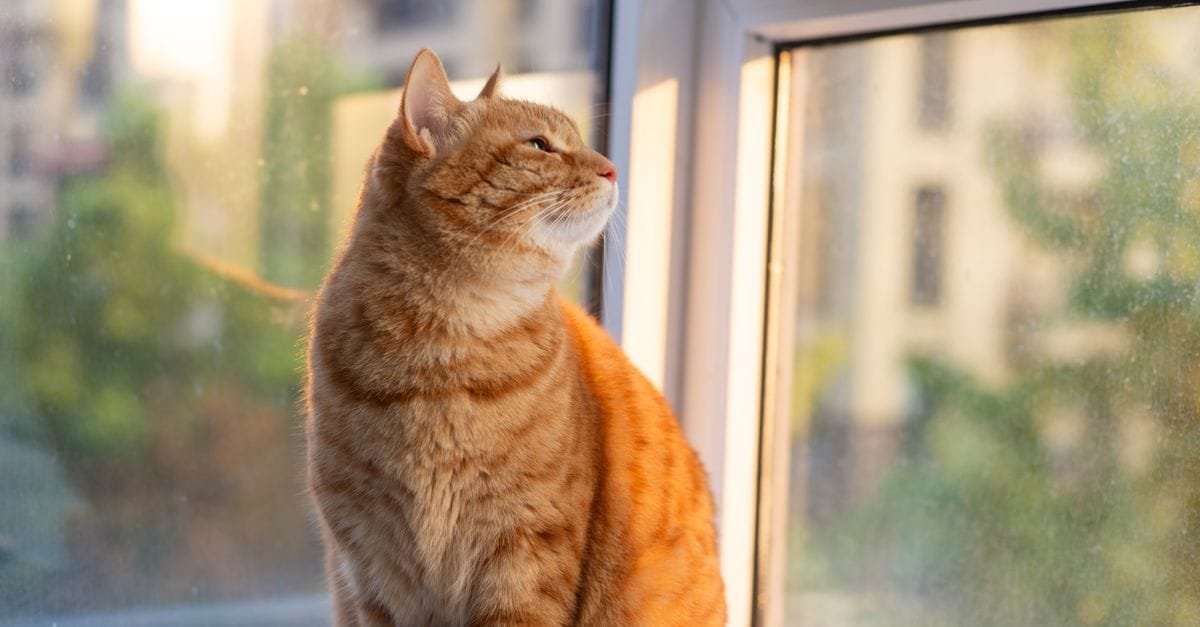
“Cat TV” is real. A window perch where your cat can watch birds, squirrels, and the street provides hours of low-effort entertainment. Bonus points for a bird feeder outside the window.
Routine, Comfort & Companionship
Cats love predictability — regular feeding and play times reduce stress. Give them cosy spots to nap in the sun, keep the litter box clean and in a quiet place, and spend real time with them daily. If your cat is alone for long hours, consider whether a second cat (properly introduced) would help — though many cats are perfectly happy solo with enough enrichment.
Signs Your Cat Is Bored or Stressed
- Over-grooming or bald patches
- Scratching furniture despite having a post
- Overeating or sudden weight gain
- Excessive night-time activity or vocalising
- Litter-box problems with no medical cause
If you notice these, more enrichment usually helps — but always rule out medical causes with your vet first. Our guide to natural remedies for common pet issues is a useful companion.
Get the Litter Box Right
Litter-box problems are the number-one reason indoor cats end up stressed (and surrendered), and they are almost always preventable. The golden rule: one box per cat, plus one extra — so two cats need three boxes. Place them in quiet, low-traffic spots where your cat will not be startled or cornered, and never right next to their food and water. Scoop at least once a day; cats are fastidious and will boycott a dirty box. Most cats prefer a large, uncovered box and unscented litter (strong perfumes that smell “clean” to us can put them off). If a previously tidy cat suddenly starts going outside the box, treat it as a possible medical sign and see your vet — it is often a urinary issue, not bad behaviour.
Food, Water & a Healthy Weight
Indoor cats burn fewer calories than outdoor ones, so they are prone to creeping weight gain — and feline obesity leads to diabetes and joint problems. Feed measured meals rather than leaving food out all day, and use that puzzle feeder to slow fast eaters and add mental work. Fresh water matters too: many cats drink too little, so a pet water fountain (cats are drawn to moving water) helps keep them hydrated and supports kidney and urinary health. Check in with your vet about ideal weight and portions — a lean cat is a healthier, longer-lived cat.
Grooming Your Indoor Cat
Even though cats groom themselves, indoor cats benefit from your help — especially as they age or if they are long-haired. Regular brushing removes loose fur (which means fewer hairballs and less shedding on your sofa) and is a lovely bonding ritual; a few minutes a few times a week is plenty for most cats. Long-haired breeds may need daily brushing to prevent painful mats. Keep an eye on their nails — indoor cats do not wear them down as much, so trim them every few weeks with cat nail clippers (or keep that scratching post busy). Don’t forget dental health, a commonly missed area: dental disease is very common in cats, so ask your vet about tooth care. Cats rarely need baths, but if one gets into something, use a cat-safe shampoo and warm water.
Introducing a New Cat the Right Way
If you decide a second cat would help (or you are adding one for any reason), go slow — rushing introductions is the top cause of lasting cat conflict. Start by keeping the new cat in a separate room with their own litter box, food, and water for several days. Let the cats smell each other under the door and swap scents by exchanging bedding. Next, feed them on opposite sides of a closed door so they associate each other’s smell with good things. Then allow brief, supervised visual contact (a cracked door or baby gate), gradually increasing time together as they stay calm. Reward calm behaviour, never force interactions, and expect the whole process to take days or even weeks. Patience now prevents years of tension.
Watch for These Common Indoor-Cat Health Issues
- Obesity — the most common indoor-cat problem; leads to diabetes and joint trouble. Measure food and keep them active.
- Urinary issues (FLUTD) — stress and low water intake can cause painful urinary problems. Hydration and a calm environment help; straining or going outside the box needs a vet, fast.
- Hairballs — common, but frequent vomiting is not normal — regular brushing helps, and persistent issues warrant a vet visit.
- Dental disease — very common and painful; watch for bad breath or trouble eating.
- Stress & boredom — shows up as over-grooming or litter issues; enrichment is the cure.
Annual vet check-ups (twice yearly for seniors) catch most of these early.
Indoor Cat FAQ
Are indoor cats happy?
Yes — indoor cats can be very happy and live longer than outdoor cats, as long as you provide enrichment: climbing, play, scratching, and stimulation.
How much should I play with my indoor cat?
Two short sessions a day (about 10–15 minutes each) of interactive play is a great target. End each session with a “catch” so your cat feels satisfied.
Do indoor cats need a companion?
Not necessarily. Many cats are content alone with enough enrichment and attention. A second cat can help, but only with a slow, proper introduction.
The Takeaway
A happy indoor cat is one whose instincts are satisfied: give them height to climb, daily play to hunt, a post to scratch, a window to watch, and a calm, predictable routine. Do that, and your cat gets the safety of indoor life and the stimulation they crave — the best of both worlds.