Bringing home a pet — or simply wanting to do right by the one you have — comes with a big question: am I taking care of them properly? The good news is that great pet care comes down to a handful of fundamentals done consistently: good food, regular grooming, preventive health care, exercise, training, and a safe, loving home. This complete guide walks you through each one for both dogs and cats, so you can keep your furry friend happy, healthy, and thriving at every stage of life.
1. Nutrition: Feed Them Well
Good food is the foundation of pet health — it affects everything from coat shine to energy to lifespan. Choose a complete, age-appropriate food (puppy/kitten, adult, or senior) from a quality brand, and keep treats to about 10% of daily calories. Fresh water should always be available.
Not sure what to pick? See our guides to the best dog food brands and the best cat food for senior cats. For everyday feeding, a quality dog food or cat food that matches your pet’s life stage is the place to start.
Also Read





2. Grooming: Keep Them Clean & Comfortable
Regular grooming is about more than looks — it prevents matting, skin issues, and lets you spot lumps or parasites early. The basics:
- Brushing — regularly (daily for long coats) to reduce shedding and tangles. See our best grooming tools for dogs.
- Bathing — only as needed, with a pet-safe shampoo (never human shampoo). Browse the best dog shampoos.
- Nail trims — every few weeks with proper pet nail clippers to avoid painful overgrowth.
- Teeth & ears — regular dental care and ear checks prevent costly problems later.
3. Health & Vet Care: Prevention First
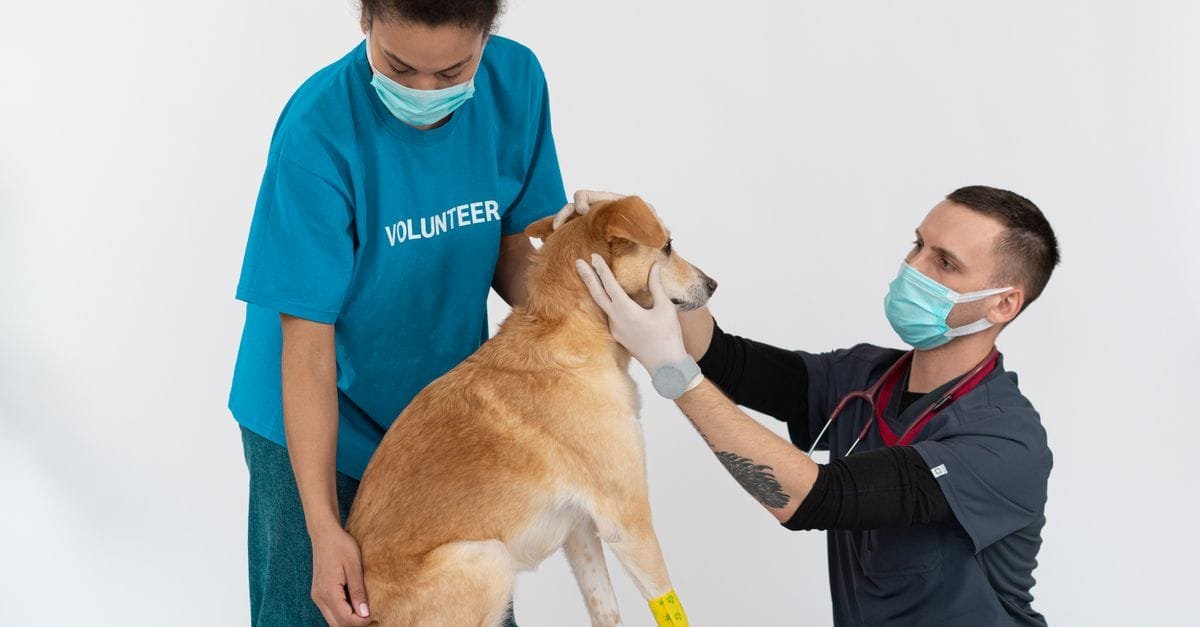
The cheapest vet visit is the one you prevent. Stay on top of vaccinations, parasite prevention (fleas, ticks, worms), and annual check-ups. Learn to spot the early warning signs — changes in appetite, energy, bathroom habits, or behaviour often signal something needs attention. Our guide to natural remedies for common pet issues is a helpful companion (alongside, never instead of, your vet). Keep a pet first aid kit at home for emergencies.
4. Exercise & Enrichment
A tired pet is a happy, well-behaved pet. Dogs need daily walks and play; cats need climbing, scratching, and hunting-style play. Mental enrichment matters as much as physical — puzzle toys and interactive toys prevent boredom and the destructive behaviour that comes with it.

5. Training & Behaviour
Training builds the bond between you and your pet and keeps everyone safe. Use positive reinforcement (reward good behaviour, never punish harshly), keep sessions short and consistent, and start early — though older pets can absolutely learn too. Patience and consistency beat any single trick.
6. A Safe, Comfortable Home
Your home is your pet’s whole world. Give them a comfortable, supportive bed of their own, remove hazards (toxic foods, plants, and small swallowable objects), and create a calm space they can retreat to. For anxious pets, calming aids and a predictable routine help them feel secure.
Care by Life Stage
- Puppies & kittens — frequent meals, vaccinations, socialisation, and gentle early training.
- Adults — steady routine, maintenance care, and watching their weight.
- Seniors — softer or specialised food, more frequent vet checks, joint support, and extra comfort.
Common Pet Care Mistakes
- Overfeeding — pet obesity is extremely common and shortens lives. Measure meals.
- Skipping preventive vet care — it costs far more to treat than to prevent.
- Not enough exercise or enrichment — the root of much “bad” behaviour.
- Using human products — many (foods, medications, shampoos) are unsafe for pets. Always check.
Pet Care FAQ
How often should I take my pet to the vet?
At least once a year for healthy adults; more often for puppies, kittens, and seniors, or any time you notice worrying changes.
How much exercise does my pet need?
It varies by breed and age, but most dogs need at least 30–60 minutes daily, and cats need several short play sessions. More energetic breeds need more.
What human foods are dangerous for pets?
Chocolate, grapes/raisins, onions, garlic, xylitol, and alcohol are toxic, among others. When in doubt, don’t share — and check with your vet.
The Takeaway
Great pet care is not complicated: feed them well, groom them regularly, prevent health problems, keep them active, train with patience, and give them a safe, loving home. Do these consistently and adjust for their life stage, and you will have a happy, healthy companion for years to come. Start with the one area that needs the most attention today — the guides linked above will take you deeper.
More Pet Guides from Pawspera
The First 30 Days With Any New Pet
Every great pet relationship is built in the first month, and the blueprint is the same for a puppy, a rescue senior, or a shelter cat: predictability first, expectations second, bonding through routine.
Week one is about safety and decompression — a quiet room, consistent feeding times, and the discipline to let the animal come to you. Rescue dogs and cats especially follow the “3-3-3” pattern: three days of overwhelm, three weeks of learning the routine, three months to feel truly home.
Week two introduces the household rhythm: walk times, feeding stations, sleep locations — decided once and defended, because every exception teaches its own lesson. Weeks three and four add the world gradually: new rooms, new people, short outings, always at the pet’s pace.
The single best investment of the first 30 days: a vet visit in week one, even for an apparently healthy animal — it establishes the baseline every future “something’s off” judgment depends on, and starts the preventive calendar below.
Nutrition Fundamentals: Feeding Without the Marketing
The pet-food aisle is engineered to overwhelm; the actual rules are short. Match the life stage — puppy/kitten, adult, senior formulas exist because energy and nutrient needs genuinely differ. Match the calories to the body — obesity is the most common preventable health problem in companion animals; you should feel ribs under a light fat layer, and the feeding-guide numbers on the bag are starting suggestions, not prescriptions.
Transition foods slowly — a week of gradually shifting ratios prevents the digestive drama that abrupt switches cause. Fresh water always, washed bowls daily (slime is a biofilm, not a garnish). Treats live inside the budget — ten percent of daily calories, maximum, and training treats count.
And the honest line on premium foods: past the baseline of a complete-and-balanced label (AAFCO statement in the US), price buys marketing more reliably than it buys health. Consistency, portion control, and body-condition awareness outperform brand-hopping every time.
The Preventive Health Calendar
Preventive care is the cheapest veterinary care you will ever buy. The annual rhythm: yearly wellness exams (twice yearly for seniors) — animals hide illness, and exams catch what hiding conceals; core vaccines on your vet’s schedule; parasite prevention year-round — fleas, ticks, and heartworm are far cheaper to prevent than to treat, and indoor pets are not exempt (parasites commute on clothing and other pets).
Dental care is the most-skipped pillar: by age three, most dogs and cats have dental disease — which is pain your pet won’t show you and bacteria with bloodstream access. Daily brushing is the gold standard; dental chews and diets are the realistic compromise; professional cleanings when your vet calls for them are health care, not luxury.
Weigh monthly (the bathroom-scale-minus-you method works) — weight drift is the earliest early-warning system in pet health, visible months before anything else.
Grooming Basics by Coat and Species
Grooming is health maintenance wearing a beauty costume. Short-coated dogs: weekly brushing, bathing only when dirty — over-bathing strips coat oils. Double-coated breeds: never shave; undercoat rakes during seasonal blows are the whole game. Long and curly coats: daily-to-weekly brushing plus professional grooming on a schedule — matting is painful, not cosmetic. Cats: mostly self-maintaining, but seniors and long-hairs need brushing help, and any cat that stops grooming is sending a vet-visit signal.
The universal additions: nail trims before you hear clicking on the floor (or the scratching post handles it for cats), ear checks during brushing (odor or head-shaking means vet), and starting all of it young and gently — a pet that tolerates handling is a pet whose problems get found early.
Training and Behavior: The Philosophy That Works
One principle beats a shelf of training books: reward what you want, manage what you don’t, and never punish after the fact. Animals connect consequences to the current moment only — the guilty look is appeasement, not comprehension.
The practical starter set: a solid recall and “leave it” for dogs (both taught with generous payment), litter-box placement and scratching outlets for cats (behavior problems in cats are usually environment problems), and daily enrichment for everyone — a bored animal invents hobbies, and you will not like the hobbies.
When a behavior puzzles or worries you, decode before you correct — our complete Pet Behavior Decoder covers seventeen of the most-asked mysteries, from zoomies to midnight howling, each with its honest explanation and fix.
Enrichment: The Missing Pillar in Most Homes
Food, shelter, and vet care keep a pet alive; enrichment keeps one well. Dogs need their noses employed — sniff-walks, snuffle mats, puzzle feeders — as much as their legs. Cats need vertical territory, window entertainment, hunting-style play (wand toys that move like prey, ending with a catch), and scratching real estate in every social room.
The budget version is excellent: rotate toys weekly so old becomes new, feed one meal a day through a puzzle or scatter, teach one trick a month (cats learn too), and turn the daily walk into an investigation rather than a march. Fifteen enriched minutes drain more energy than an hour of yard time — and enrichment deficits masquerade as behavior problems constantly.
Senior Pets: Care That Ages With Them
Around age seven for most dogs and cats (earlier for giant breeds), the care plan quietly shifts: twice-yearly vet exams with senior bloodwork, arthritis awareness (slowing down is pain until proven otherwise — stiffness, stair reluctance, and grooming lapses are the tells, and modern pain management is excellent), weight vigilance in both directions, and cognitive kindness — night restlessness, staring, and new anxiety in an old animal deserve a vet conversation, not just tolerance.
Home adjustments cost little: raised bowls, traction rugs on slick floors, night lights, steps to the favorite couch, and litter boxes with one low side. Senior pets ask for less excitement and more consistency — the easiest brief they’ll ever give you.
Emergency Readiness: The 10-Minute Preparation
Do these once and hope to never use them: save the numbers — your vet, the nearest 24-hour emergency clinic, and a pet-poison hotline — in your phone today; know the go-now signs: labored breathing, repeated vomiting, bloated hard abdomen, collapse, seizures, straining to urinate (especially male cats — hours matter), suspected poisoning, and any major trauma even if the pet “seems fine”; keep a basics kit: gauze, saline, a muzzle or towel (pain changes the gentlest animal), the carrier findable in one minute; and photograph your pet monthly — the practical use is lost-pet posters, and the sentimental use is free.
Our guide to the most common signs of illness covers the subtler signals that sit below emergency level but above “wait and see.”
Budgeting: The Honest Cost of Doing It Right
The kindest thing you can do for a pet financially is plan for the expensive year, not the average one. The framework: monthly basics (food, prevention, litter) are predictable; annual care (exams, vaccines, dental) is schedulable; and the emergency is a when, not an if — a dedicated pet savings buffer or insurance policy started while the animal is young and cheap to insure converts future crises into inconveniences.
Where to spend up: prevention, dental, and anything your vet flags early. Where to save without guilt: toys (cardboard boxes remain undefeated), beds (they prefer yours anyway), and gadgets. The gear that genuinely earns its cost — harnesses, carriers, grooming tools, puzzle feeders — is covered honestly across our puppy and kitten guides and product reviews.
The One-Page Care Philosophy
Everything above compresses to five lines: feed measured, not marketed. Prevent instead of treat. Decode before you correct. Enrich daily. And know your animal’s normal — because every serious problem announces itself first as a small departure from it. Bookmark this guide, walk the calendar, and let the boring fundamentals do what they’ve always done: add healthy years to the friendship.
Choosing the Right Pet for Your Actual Life
The kindest pet decision happens before the pet exists: matching the animal to the life you really live, not the one you plan to start living.
The honest questions: hours alone — dogs measure loneliness in hours; cats tolerate workdays but not neglect; if the house is empty ten hours daily, a puppy is a hardship for both of you. Energy budget — a working-breed dog needs a job every single day for a decade; a senior rescue needs a couch and consistency; both are wonderful matches for different people. Space and rules — landlords, allergies, and stairs are real constraints better honored than tested. The ten-to-eighteen-year horizon — the kitten adopted at 25 attends your mid-career; plan for the animal’s whole life, not this year’s.
And the choice most people underrate: the adult shelter animal — personality already visible, house manners often installed, gratitude apparently bottomless. Puppies and kittens are wonderful; they are also the hardest version of every first year.
Multi-Pet Households: The Diplomacy Chapter
Adding a second animal doubles the joy and triples the introductions. The rules that prevent most wars: scent before sight (swap bedding for days before faces meet), separate resources always — two of everything, placed apart, because most “fighting” is resource anxiety; managed first meetings, short and rewarded, ideally on neutral ground for dogs; and patience measured in weeks — tolerance comes first, friendship (if it comes) arrives on the animals’ schedule, not yours.
Know the good signs (loose bodies, shared rooms, sleeping within sight) and the referee signs (fixed staring, blocked doorways, one animal always yielding) — and when tension persists past a month, a behaviorist consult beats hoping. Many multi-pet homes settle into peaceful coexistence rather than cuddling montages; that’s a success, not a failure.
Alone Time, Travel, and the Backup Plan
Every pet owner eventually needs to be somewhere the pet can’t go. Build the infrastructure early: alone-time training from day one (brief, boring departures that teach “leaving is normal” — the vaccine against separation panic), a tested sitter or boarding option found before the emergency (trial runs beat crisis bookings), the information sheet — feeding amounts, medications, vet numbers, quirks — written once and updated yearly, and a neighbor with a key for the delayed-flight scenarios.
For the pets themselves, travel is a skill taught gently: carrier-as-furniture for cats (never carrier-as-ambush), short happy car rides for dogs before the long ones, and honest species math — most cats prefer a sitter at home; most dogs prefer coming along or a trusted human. The goal of the whole chapter: your absences become logistics, never emergencies.
Kids and Pets: The House Rules That Protect Both
Children and animals are a famous pairing that runs on supervision and three teachable rules: let sleeping and eating animals be (most child-directed bites happen at food bowls and nap spots), gentle hands, always demonstrated rather than just demanded, and the animal’s retreat space is sacred — a crate, a perch, a room the pet can exit to that children may not follow into.
Teach children to read the early warnings — a stiffening body, a swishing tail, flattened ears, a walk-away — and praise them for honoring those signals. The payoff runs both directions: pets raised with respectful children become bomb-proof companions, and children raised reading animal signals grow an empathy skill that transfers everywhere. The supervision rule never fully retires with toddlers; it just relaxes with age and track record.
Reading Your Pet’s Normal: The Skill Behind Every Other Skill
Every chapter above quietly depends on one habit: knowing your individual animal’s baseline. How much water is normal for this dog in July? How social is this cat on an ordinary Tuesday? What does her usual appetite, gait, sleep pattern, and litter output look like?
Owners who can answer those questions catch illness weeks earlier than owners who can’t — because in animals that instinctively hide weakness, disease debuts as a small departure from normal long before it becomes a symptom. The practice costs nothing: attention during the daily routines you already do, the monthly weigh-in, the phone-video habit when something seems slightly off (vets extract more from thirty seconds of footage than from ten minutes of description).
That’s the whole philosophy of this guide, compressed: know the normal, defend the routine, prevent what’s preventable, and decode before you correct. The rest — every product, technique, and tip — is detail in service of those four.
One last practical habit to close on: keep this guide bookmarked and revisit it at your pet’s life transitions — the new-home month, the first birthday, the seventh, and the senior years. The fundamentals never change, but which chapter matters most changes with every stage — and the owner who re-reads at the right moments is the owner whose animal quietly gets the best version of every year. That, more than any product or technique, is what complete pet care actually looks like in practice.
Here’s to the animal beside you — healthy, understood, enriched, and prospering, every single day you share.