Affiliate disclosure: As an Amazon Associate, Pawspera earns from qualifying purchases. If you buy through our links we may earn a small commission, at no extra cost to you. We only recommend products we’d give our own pets. This article is informational and not a substitute for veterinary advice.
The first time a thunderstorm sent my normally happy dog trembling under the kitchen table, I felt completely helpless. Dog anxiety — whether from storms, fireworks, separation, or just a nervous temperament — is heartbreaking to watch. The good news: there are gentle, vet-aware calming aids that genuinely help many dogs feel safer, and most are simple and affordable to try.
Below are the 8 best calming aids for anxious dogs, from snug anxiety wraps to calming treats and pheromone diffusers. Important note up front: severe anxiety deserves a conversation with your veterinarian — these products are supportive tools, not replacements for professional care. With that said, let’s help your worried pup find some calm.
Also Read
-
Why Is My Cat Not Using the Litter Box? Medical First, Then the Box Audit

-
How to Give a Cat a Pill: The Escalation Ladder, the Chaser Rule, and the Exits

-
How to Brush Your Cat’s Teeth: The Three-Week Ladder and the Paste Law

-
How to Remove a Tick From a Dog: The Grip, the Folklore Ban, and the Watch Window
Understanding dog anxiety (a quick primer)
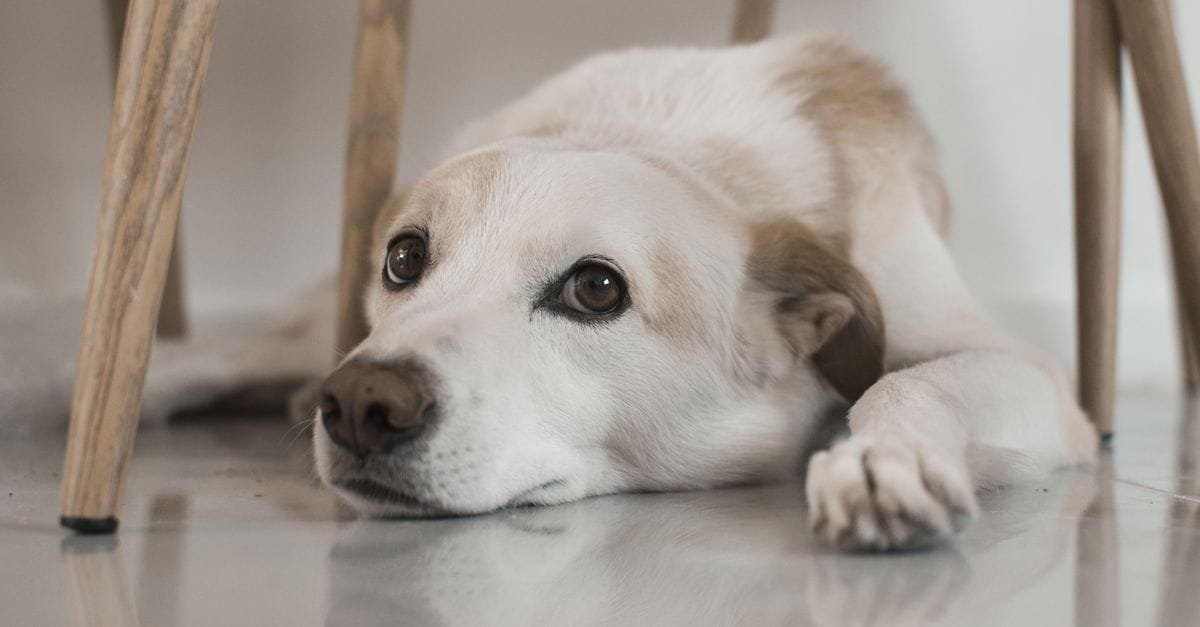
Dogs show anxiety in many ways: pacing, panting, drooling, trembling, hiding, destructive chewing, excessive barking, or accidents indoors. Common triggers include loud noises (storms, fireworks), separation from their humans, changes in routine, travel, and vet visits. The American Veterinary Medical Association emphasizes identifying the trigger first — because the best calming approach for thunderstorm fear differs from separation anxiety. Calming aids work best combined with patience, routine, and (for serious cases) a behavior plan from your vet.
What to look for in a calming aid
- Match the trigger — wraps and pheromones for general/noise anxiety; enrichment toys for boredom and separation.
- Vet-friendly ingredients — for calming treats, look for L-theanine, chamomile, or thiamine; avoid anything with questionable additives.
- Right size & fit — an anxiety wrap only works if it’s snug (not tight).
- Drug-free first — start gentle; only use medication if your vet prescribes it.
- Reusable vs consumable — wraps and diffusers last; treats are ongoing costs.
The 8 best calming aids for anxious dogs
1. Best overall — anxiety wrap / calming vest
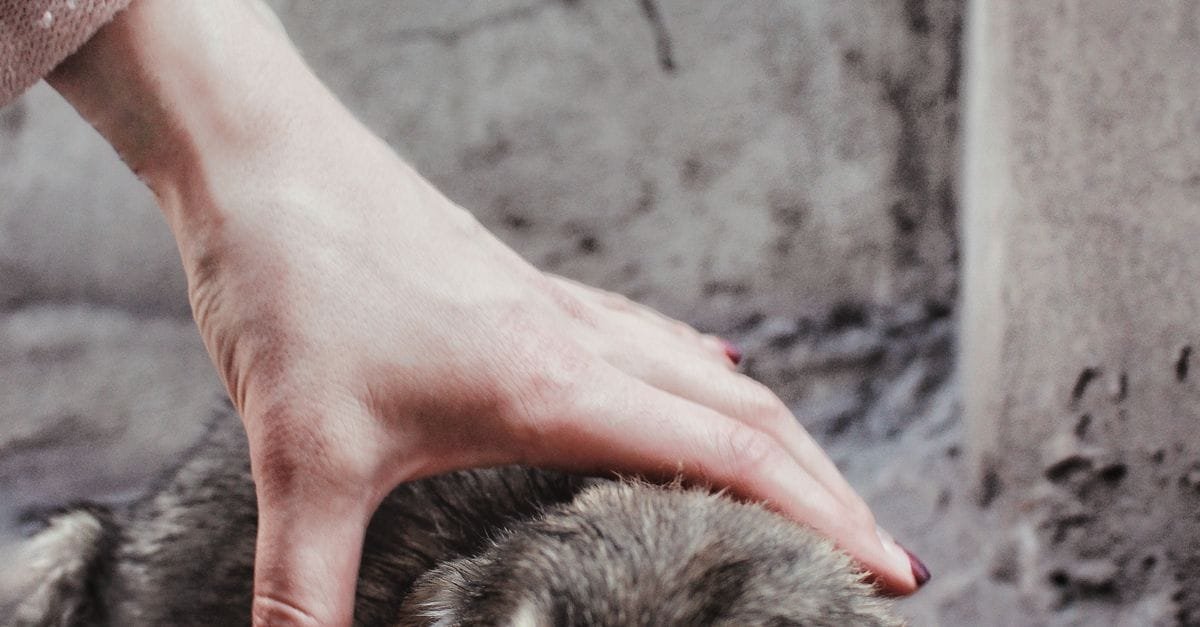
A snug calming vest applies gentle, constant pressure (like swaddling a baby), which has a genuinely soothing effect on many dogs — especially during storms and fireworks. It’s drug-free, reusable, and one of the first things I recommend people try. Fit is everything: snug enough to feel secure, loose enough to breathe.
- ✅ Drug-free, reusable
- ✅ Great for noise anxiety
- ✅ Easy to use
- ❌ Doesn’t work for every dog; fit matters
2. Best calming treats
Calming chews with ingredients like L-theanine, chamomile, and hemp can take the edge off mild anxiety and travel nerves. Give them 30–60 minutes before a known trigger. Always check the dosage for your dog’s weight and clear new supplements with your vet.
- ✅ Easy to give, dogs love them
- ✅ Good for travel & vet visits
- ❌ Effect is mild; check ingredients/dose
3. Best pheromone diffuser
Dog-appeasing pheromone (DAP) diffusers release a synthetic version of the calming scent mother dogs produce. Plug one in near where your dog rests; many owners report calmer, less reactive dogs over a few weeks. Subtle but genuinely helpful for ongoing, home-based anxiety.
- ✅ Continuous, hands-off calm
- ✅ Good for general/separation anxiety
- ❌ Works gradually; refills needed
4. Best for separation anxiety — enrichment toys
Dogs left alone often spiral from boredom. A long-lasting treat-dispensing or lick-mat toy gives them a positive, absorbing activity right as you leave, reframing alone-time as something good. One of the most effective tools for mild separation anxiety.
- ✅ Redirects nervous energy
- ✅ Builds positive alone-time
- ❌ Not enough for severe cases alone
5. Best calming bed
A donut-style calming bed with raised, fluffy edges lets anxious dogs curl up and feel surrounded and secure. The faux-fur mimics a littermate’s warmth. Lovely for nervous or senior dogs who like to nest.
- ✅ Cozy, security-boosting
- ✅ Machine-washable options
- ❌ Big dogs need the XL size
6. Best for noise / storms & fireworks
Combine a calming vest with a white-noise or calming-music approach to muffle the booms. Some owners use dog-specific calming playlists; the goal is to soften the startling sounds and create a safe den.
- ✅ Targets the actual trigger
- ✅ Pairs well with a wrap
- ❌ Needs a quiet safe space set up
7. Best calming spray
A pheromone or lavender-based calming spray can be misted on bedding, in the car, or in a crate before travel and vet trips — portable calm for situational anxiety.
- ✅ Portable, easy for travel
- ✅ Good for crates & cars
- ❌ Short-acting; reapply as needed
8. Best for travel — secure crate or seatbelt
For car-anxious dogs, a cozy, secure crate or a proper dog seatbelt harness reduces the chaos (and danger) of an anxious dog loose in the car. Security itself is calming.
- ✅ Safer + calmer travel
- ✅ Reduces motion stress
- ❌ Needs acclimation first
How to use calming aids effectively
Three rules make all the difference. First, act early — put the vest on or give the treat before the storm or trip, not mid-panic. Second, stay calm yourself — dogs read our energy, so soothing-but-relaxed beats anxious fussing. Third, create a safe den — a quiet room, calming bed, white noise, and a pheromone diffuser together are far more powerful than any single product. And never punish an anxious dog; fear isn’t disobedience.
Frequently asked questions
What is the best calming aid for an anxious dog?
For noise anxiety, a snug calming vest is the best first try. For ongoing home anxiety, a pheromone diffuser. For separation, enrichment toys. Match the tool to the trigger.
Do calming treats for dogs actually work?
For mild anxiety and situations like travel, many dogs respond well to treats with L-theanine or chamomile. They’re gentle helpers, not sedatives — check the dose and ask your vet.
How can I calm my dog during fireworks?
Combine a calming vest, a safe quiet den, white noise to muffle the bangs, and a pheromone diffuser. Start before the fireworks begin and stay relaxed.
When should I see a vet about my dog’s anxiety?
If anxiety is severe, worsening, or causing self-harm or destruction, see your vet. They can rule out medical causes and create a behavior or medication plan.
Are calming aids safe to use together?
Generally yes — a vest, diffuser, and safe space combine well. For supplements or medication, always check with your vet before stacking.
How long do calming aids take to work?
Wraps and treats work within an hour; pheromone diffusers build up over days to weeks. Consistency matters.
How we chose these calming aids
We prioritized drug-free, vet-aware options you can try safely at home, matched to the most common anxiety triggers (noise, separation, travel, general nervousness). For consumables like treats, we looked for recognized calming ingredients (L-theanine, chamomile, thiamine) and sensible dosing. And we’ve been clear throughout: these support a calm environment and routine — they don’t replace your veterinarian for serious anxiety.
Two more calming options
9. Best snuggle / heartbeat toy
For puppies and very anxious dogs, a plush toy with a gentle heartbeat and warmth mimics a littermate — genuinely comforting at night or when home alone. A small thing that helps nervous dogs settle.
- ✅ Comforting for pups & separation
- ✅ Drug-free
- ❌ Best for smaller/younger dogs
10. Best long-lasting chew
Chewing is naturally self-soothing for dogs. A safe, long-lasting chew gives anxious dogs a healthy outlet for nervous energy — useful during storms or alone-time.
- ✅ Natural stress outlet
- ✅ Keeps them occupied
- ❌ Supervise; pick the right size/hardness
Mistakes to avoid
- Waiting until mid-panic — act before the trigger (vest on, treat given early).
- Punishing anxious behavior — fear isn’t disobedience; punishment makes it worse.
- Comforting frantically — stay calm yourself; dogs mirror your energy.
- Expecting one product to fix everything — combine a safe space, routine, and the right aid.
- Ignoring severe signs — self-harm, destruction or panic attacks need a vet.
Can diet affect my dog’s anxiety?
Indirectly — a stable routine including consistent meals helps anxious dogs feel secure. Some calming diets exist; ask your vet before switching food.
Will my dog grow out of anxiety?
Some situational anxiety improves with positive exposure and age; ingrained anxiety usually needs active management. Early, gentle intervention gives the best results.
How to build a calm safe space (step by step)
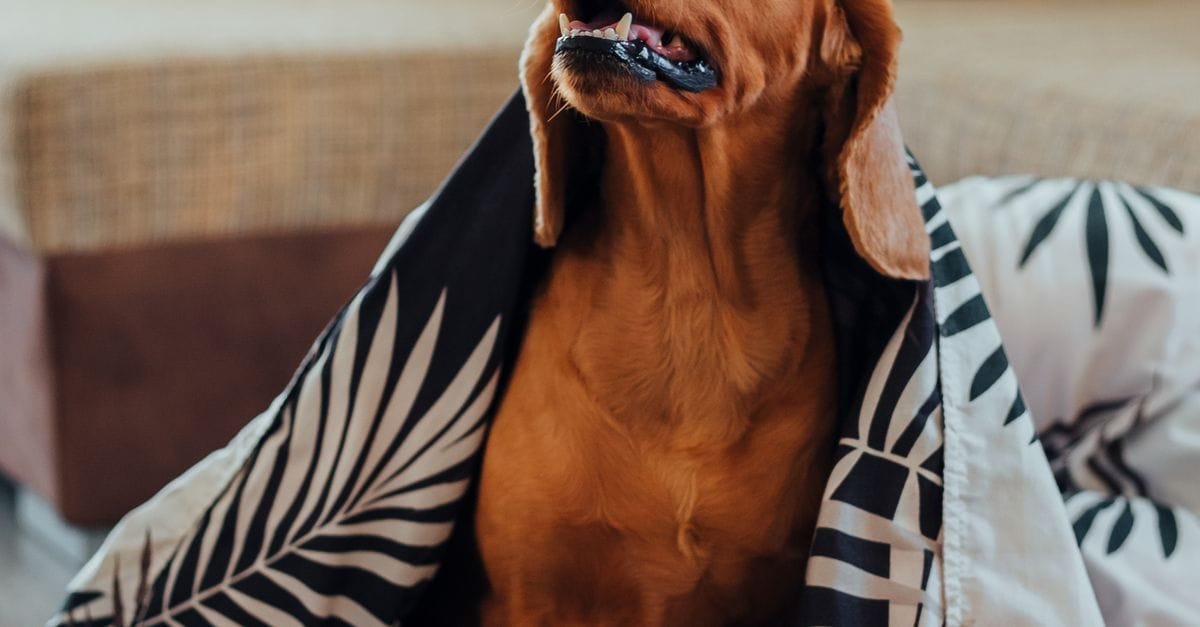
The single most effective thing you can do for an anxious dog is create a dedicated safe den — and it’s easy. 1. Choose a quiet interior room away from windows (less noise, no flashing lights from storms or fireworks). 2. Add their calming bed and a familiar blanket that smells like home. 3. Plug in a pheromone diffuser nearby a few days ahead. 4. Use white noise or calming music to muffle scary sounds. 5. Put the calming vest on before the trigger starts, and leave a long-lasting chew or enrichment toy to redirect nervous energy. Let your dog come and go freely — a den should feel safe, never like a trap. Practice using the space on normal calm days too, so it’s already a positive place before a stressful event.
When to consider professional help
Calming aids handle mild-to-moderate anxiety well, but some cases need more. Talk to your veterinarian if your dog harms themselves trying to escape, destroys things when alone, has full panic episodes, or if anxiety is steadily getting worse despite your efforts. Your vet can rule out underlying medical causes (pain and illness often look like anxiety), refer you to a qualified behaviorist, or prescribe medication for severe cases. There’s no shame in this — for a deeply anxious dog, the right professional plan is the kindest path.
Can I give my dog human anti-anxiety medication?
Never — many human medications are toxic to dogs. Only ever give medication prescribed by your veterinarian for your specific dog.
Do calming aids work for cats too?
Some do — pheromone diffusers and calming sprays have feline versions. But always use cat-specific products; never apply dog products to cats.
How long does it take for a calming aid to help my dog?
It depends on the tool: anxiety wraps and calming treats can help within an hour, while pheromone diffusers build their effect over several days to a few weeks of consistent use. Give any single approach a fair trial of at least two to three weeks before deciding it isn’t working.
Can I combine several calming aids at once?
Yes — in fact, layering a calm safe space, a pheromone diffuser, white noise and a snug vest usually works far better than any one product alone. The only thing to check with your vet before combining is supplements or medication.
Bottom line
Start gentle and match the aid to the trigger: a calming vest for storms and fireworks, a pheromone diffuser for ongoing home anxiety, and enrichment toys for separation. Combine them with a calm safe space and a steady routine — and for severe anxiety, loop in your vet. Your dog can’t tell you they’re scared, but with the right support, you can help them feel safe again. 🐾
— The Pawspera team 🐾
Shop Dog Calming Aids on Amazon →

Hello! I'm Khan Hisham, a dedicated student with a profound passion for enhancing the lives of pets through comprehensive care. At Pawspera, our mission—"Prospering Pets, Every Day"—drives everything we do. We are committed to providing the latest insights, tips, and products that ensure your pet's health and happiness. Join us at Pawspera as we explore innovative ways to care for our furry friends with love and dedication.