
As the chill of winter sets in, our pets need extra care to stay healthy. Just like humans, they can feel the cold and face seasonal challenges.
Your pet’s well-being during the colder months is crucial for a happy, active life. Colder temperatures bring a unique set of health risks for our furry friends. From dry skin to chilly walks, winter is tough on pets. Keeping your pet healthy in winter doesn’t have to be a struggle.
With the right knowledge and tools, you can ensure your companion stays warm, active, and well throughout the season. This guide will arm you with practical tips to safeguard your pet’s health against the cold. Think cozy shelters, proper nutrition, and regular check-ups. These are key to a hearty winter for your pet. We’ll explore easy-to-follow steps to keep your four-legged family members thriving despite the cold. So, grab a blanket, cuddle up with your pet, and let’s dive into a winter care routine that works.
Also Read
-
How to Remove a Tick From a Dog: The Grip, the Folklore Ban, and the Watch Window
-
Why Does My Cat Drink So Much Water? The Benign List, the Big Three, and the Measure

-
How to Protect Dog Paws From Hot Pavement: The Seven-Second Test and Three Substitutions

-
How to Keep Dogs Cool in Summer: The Schedule, the Risk Tiers, and the Emergency Protocol
Introduction To Winter Pet Care
As the chill of winter sets in, pet care demands extra attention. Pets, like humans, feel the cold and face unique health challenges as temperatures drop. Understanding these challenges and implementing seasonal health strategies is essential. This guide provides vital tips to keep furry friends happy and healthy during the cold months.
Challenges Pets Face In Colder Months
Colder climates bring risks to pets both indoors and outdoors. Shorter days limit sun exposure, vital for pets’ well-being. The cold can worsen joint issues and dry out sensitive paws and skin. Pets may face hazards from ice-melting chemicals or antifreeze leaks, which are toxic. It’s crucial to recognize these risks to safeguard pets in winter.
Importance Of Seasonal Health Strategies
Implementing seasonal health strategies is key for pet wellness. Pets need protection from the cold, proper nutrition, and regular exercise, regardless of the weather. A winter-specific care routine ensures pets maintain a strong immune system and stay active. This routine helps prevent winter weight gain and keeps stress levels low. Tailoring pet care to the season can promote year-round health.
Diet Adjustments For The Cold
As winter approaches, pet owners must adjust their furry friends’ diets. This helps keep pets warm and healthy. Let’s explore how.
Caloric Needs And Winter Weight
During cold months, pets need more energy to stay warm. A slight increase in their food may help. Yet, it’s important to avoid overfeeding. Pets, like people, can gain unwanted weight in winter. This extra weight can lead to health problems.
- Small pets might need just a little more food.
- Active pets who spend time outside need more calories.
- Always watch your pet’s weight. Adjust food as needed.
Nutritional Supplements For Immune Support
Winter can be tough on a pet’s immune system. Nutritional supplements can help. They support health and fight off sickness. Consider adding these to your pet’s diet:
| Supplement | Benefit |
|---|---|
| Vitamin C | Boosts immunity |
| Omega-3 Fatty Acids | Improves coat health |
| Glucosamine | Supports joint health |
Before adding supplements, talk to a vet. They can recommend the right ones.
Remember, a warm, healthy winter for your pet starts with the right diet. Make these adjustments and keep your pet happy and healthy!
Maintaining An Active Lifestyle Indoors
Winter can be tough on pets, just like it is for humans. Cold weather means less time outside. Pets need to stay active, even when it’s cold. An active pet is a happy and healthy pet. Let’s talk about keeping your pet moving indoors.
Creative Exercise Ideas
Think outside the box for indoor exercise. Stairs can be a great workout. Have your pet run up and down safely. Use long hallways for fetch. This keeps your pet running and active. Turn playtime into a workout. Have fun and stay fit together.
Interactive Toys And Games
Toys can make indoor exercise fun. Choose toys that move and make your pet think. Puzzle feeders are great. They keep pets busy and active. Try new games like hide and seek with treats. Keep your pet guessing and moving. It’s fun and healthy.
Outdoor Safety Measures
Keeping pets healthy during winter requires special attention to outdoor safety. Protect pets from cold weather hazards with the right gear and knowledge.
Protective Gear For Pets
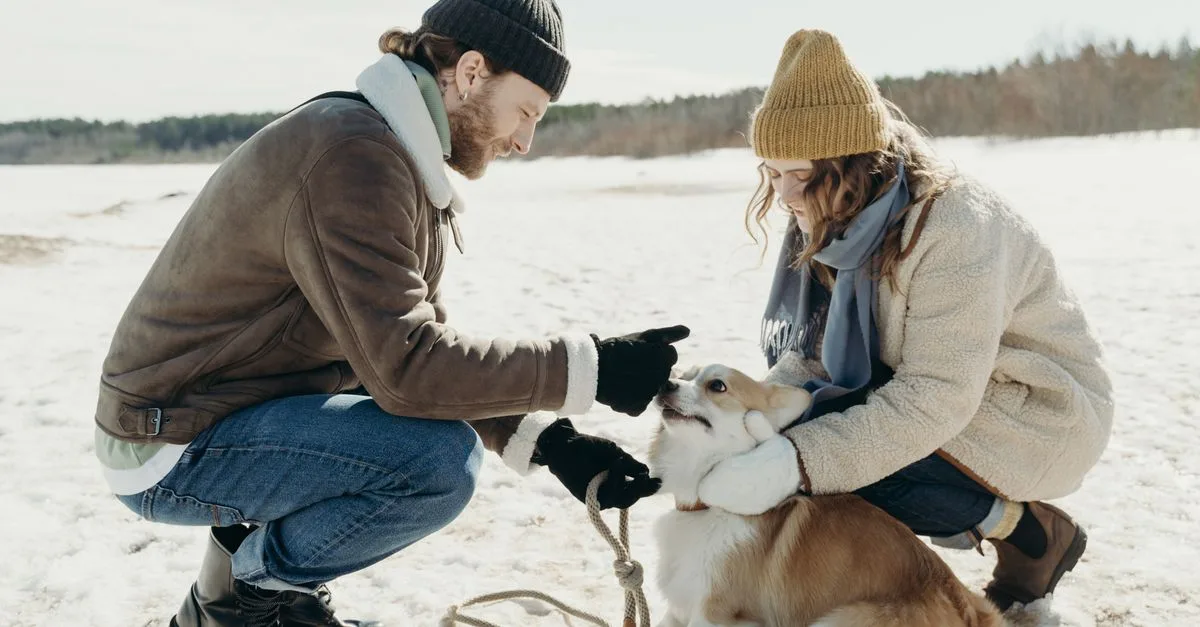
Dress pets in appropriate attire for winter outings. Insulated coats keep them warm. Dog booties protect paws from ice and salt. Reflective accessories ensure visibility during short daylight hours.
- Insulated jackets for warmth
- Dog booties to shield paws
- Reflective gear for safety
Recognizing Hypothermia And Frostbite Risks
Understand signs of cold distress in pets. Shivering indicates hypothermia. Pale or blue skin suggests frostbite. Limit time outside and monitor pets closely.
| Condition | Signs to Watch |
|---|---|
| Hypothermia | Shivering, lethargy, weak pulse |
| Frostbite | Pale skin, cold to touch, pain |
Act quickly if symptoms appear. Bring pets indoors. Gently warm them. Call a vet if needed. Stay alert to keep winter fun and safe for furry friends.
Skin And Paw Care
Winter brings cold air, icy paths, and less moisture. Pets need extra care. Their skin and paws can suffer. Dry, cracked paws hurt. Skin can become flaky. Let’s protect them.
Preventing Dryness And Cracks
Keep indoor air moist. Use a humidifier. It helps. After walks, wipe paws. This removes salt and chemicals. Dry them well. Use pet-safe moisturizers. Apply gently on paws and skin. Do this daily.
Safe Paw Salts And Deicers
Choose pet-safe products. They exist. Read labels. Avoid traditional salts. They harm paws. Wash paws after walks. This removes harmful residues. Keep your pet safe and comfortable.

Regular Health Check-ups
Regular health check-ups for pets are crucial, especially during winter. Scheduling veterinary visits helps ensure your furry friends stay warm and well throughout the cold months.
Pets need extra care in winter. Cold weather can affect their health. A vet visit before winter helps. Pets get a health plan for colder months. Your vet will check weight, fur, and overall health. They ensure pets are ready for winter.
Winter-specific Veterinary Concerns
Winter brings unique health issues for pets. Joints can ache in the cold. Short daylight affects mood. Skin and coat may dry out. A vet can spot these early. They offer solutions to keep pets comfortable. Early care prevents bigger problems.
Vaccinations And Parasite Prevention
Cold doesn’t kill all germs or bugs. Pets still need their shots. Heartworms, fleas, and ticks stay active in some winters. Keep up with prevention all year. Your vet will guide the right schedule. This keeps pets safe from winter pests.
Comfortable Living Environment
As winter chills set in, pet health hinges on a cozy home. Pets need warmth and snug spaces to thrive. Let’s make sure they get just that.
Optimal Home Temperature And Humidity
Keep your home warm, not hot, for your pets. Aim for a steady temperature. Pets love that. Too hot or too cold, and they struggle. Also, keep air moist. Dry air is tough on pet skin. A simple humidifier does wonders. Check it often. Your pet’s comfort matters.
Cozy Bedding And Safe Spaces
Pets need soft beds in winter. Place them away from drafts. Make sure they’re easy to clean. Pets love a dedicated spot. It’s their safe haven. Warm blankets add extra comfort. They love curling up in them. Always keep these spaces just for them. They’ll feel secure and loved.
Hydration And Winter Dehydration
Many think pets drink less in winter. Not true. Pets need water all year. Cold air is dry. Dry air can make pets thirsty. Keeping pets hydrated in winter is key. Let’s talk about ensuring pets drink enough and signs of dehydration.
Ensuring Adequate Water Intake
Always have fresh water available. Check water bowls daily. Sometimes, use more than one bowl. Place them in different spots. This helps pets drink more. Warm water might encourage drinking. It feels nice in cold weather. Try it.
Signs Of Dehydration To Watch For
Pets can get dehydrated in winter. Look for these signs. Dry gums. Sunken eyes. Lethargy. These are warning signs. Also, check the skin. Gently lift it. If it doesn’t snap back fast, it’s a sign. A dehydrated pet needs a vet. Quick action helps.
Emergency Preparedness
Emergency Preparedness keeps pets safe in cold months. Chilly weather brings risks for our furry friends. It’s key to plan ahead. Let’s prepare to protect them when winter strikes.
Creating A Pet Emergency Kit
A pet emergency kit is a must. Think of it as a winter coat for your pet’s safety needs.
- Food and Water: Stock a week’s supply. Use airtight containers.
- Medications: Keep a supply, plus medical records in a waterproof bag.
- Warmth: Blankets and heat packs help against the cold.
- First Aid: Include bandages, antiseptic, and a pet thermometer.
- ID Info: Update tags and chips. Have photos ready for identification.
Winter Weather And Disaster Plans
Know the dangers of winter weather. Plan for the worst.
- Identify a safe space, like a heated room, away from cold drafts.
- Keep emergency numbers handy, like the vet and animal control.
- Teach pets to come when called, in case of urgent evacuation.
- Practice evacuation. Make it familiar for your pet.
Conclusion: Integrating Winter Care Into Routine
As winter wraps its chilly fingers around us, it’s crucial to weave pet care seamlessly into our daily routines. Pets rely on us to adjust their care as the seasons change. Let’s ensure our furry friends stay warm, active, and healthy during the colder months.
Seasonal Adjustments For Pet Health
Winter brings unique challenges for pet health. Shorter days and colder temperatures mean changes to exercise and diet are necessary.
- Keep walks short but frequent to maintain warmth.
- Adjust calorie intake if activity levels drop.
- Provide a warm, cozy bed away from drafts.
Encouraging Responsible Pet Ownership
Responsible pet ownership never takes a holiday, even in winter. Pets count on their humans for their well-being.
- Ensure vaccinations are up to date for indoor and outdoor pets.
- Check paws for signs of frostbite or injury from ice.
- Stay vigilant about grooming to avoid matting.
Remember, integrating winter care into your routine keeps your pet happy and healthy. Short walks, proper shelter, and regular checks can make a big difference. Let’s keep our pets’ tails wagging through the winter!

Frequently Asked Questions
What Are Winter Hazards For Pets?
Cold weather can pose risks such as hypothermia and frostbite for pets. Icy surfaces may lead to injuries, while antifreeze and salt can be toxic if ingested. Keep pets warm and wipe their paws after walks.
How Can I Exercise My Pet Indoors?
Indoor playtime can include games like fetch, tug-of-war, or hide-and-seek. Puzzle toys and obstacle courses also stimulate pets mentally and physically. Rotate toys to keep things fresh and engaging for your pet.
What Should Pets Eat In Winter?
Pets may need more calories in the cold months to maintain body heat. However, indoor pets with lower activity levels might require fewer calories to avoid weight gain. Always adjust food portions based on your vet’s advice.
How Do I Protect My Pet’s Paws?
Use pet-safe ice melts and wipe your pet’s paws after walks to prevent irritation from salt. Consider dog booties for added protection against cold and chemicals, and keep nails trimmed to improve traction on slippery surfaces.
Conclusion
Ensuring your pets stay warm and healthy during the cold months is vital. Remember, regular vet visits are key. Keep them active but don’t overdo it. Their diet matters, so choose wisely. Cozy shelters are a must. Love and attention can’t be overlooked; it’s essential for their well-being.
Embrace these tips and your furry friends will thrive, even when the temperature drops. Keep them close, keep them loved, and watch them enjoy the winter wonderland with wagging tails and purrs.

Hello! I'm Khan Hisham, a dedicated student with a profound passion for enhancing the lives of pets through comprehensive care. At Pawspera, our mission—"Prospering Pets, Every Day"—drives everything we do. We are committed to providing the latest insights, tips, and products that ensure your pet's health and happiness. Join us at Pawspera as we explore innovative ways to care for our furry friends with love and dedication.