
Walk down the dog-food aisle and you’ll find a hundred bags all promising the same thing. What actually matters is complete, balanced nutrition backed by real science — and the right formula for your dog’s age, size and stomach. Our top pick for most dogs in 2026 is Purina Pro Plan, one of the “big three” brands vets recommend most.
Below are ten foods worth buying this year, sorted by what your dog actually needs — best overall, best for sensitive stomachs, best budget, best for puppies and seniors, and more. First, a quick guide so you can read a label like a vet.
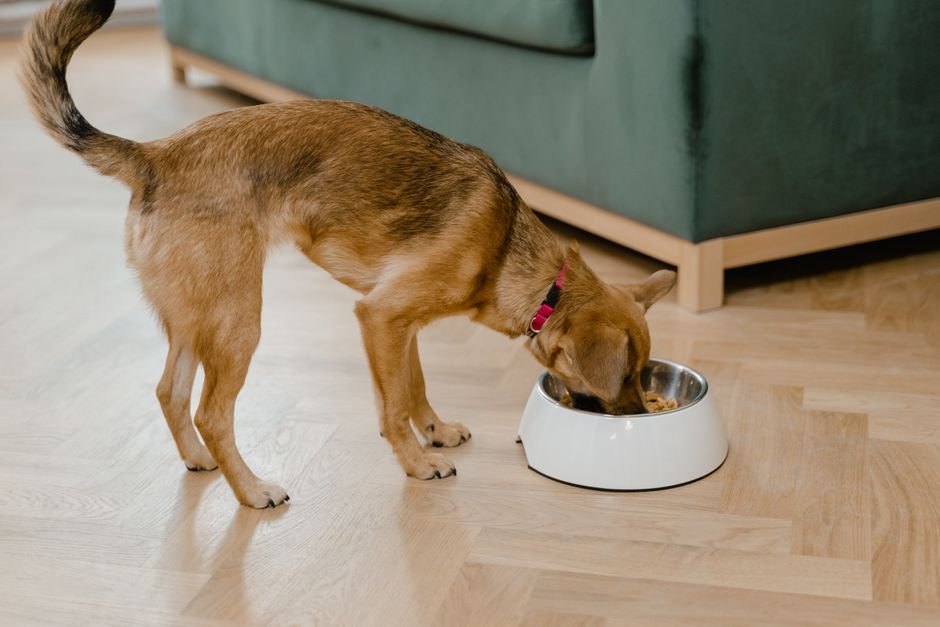
How to choose the right dog food
Look for the AAFCO statement
The single most important line on any bag is the AAFCO statement — it confirms the food is “complete and balanced” for a life stage (growth, adult maintenance, or all life stages).
Also Read




Foods that passed actual feeding trials (not just lab formulation) are a step above. The big vet-recommended brands all run them.
Check the first few ingredients
Ingredients are listed by weight, so you want a named protein — “chicken”, “beef”, “lamb” or a named meal — at or near the top, not a vague “meat by-product”.
Corn and rice aren’t evil; they’re fine energy sources. What matters is overall balance and quality control, which is why brand reputation counts.
Match the food to your dog’s life stage
Puppies need growth formulas (large-breed puppies need their own, to control bone growth). Adults need maintenance. Seniors benefit from joint support and fewer calories.
Not sure how old your dog is in “dog terms”? Our Pet Age Calculator translates it into human years so you can pick the right life-stage food.
The grain-free & DCM caveat (please read)
Grain-free diets are popular, but the FDA is still investigating a possible link between legume-heavy grain-free foods and a heart condition called dilated cardiomyopathy (DCM).
Causation isn’t proven, but many veterinary cardiologists advise caution. Unless your vet has diagnosed a genuine grain allergy, a quality grain-inclusive food is the safer default.
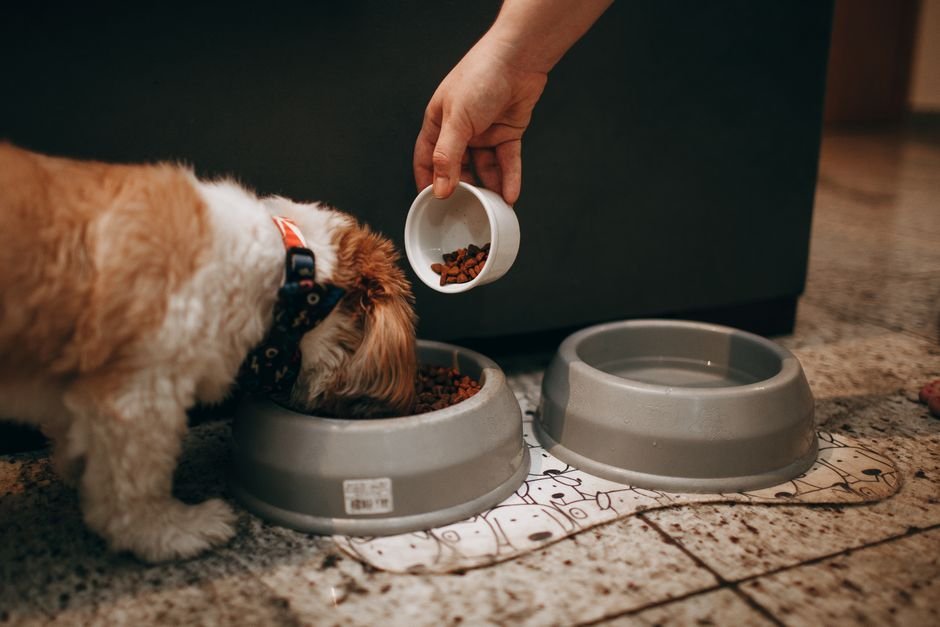
How much should you feed?
The bag’s chart is a starting point, but the right amount depends on your dog’s weight, life stage and activity. Overfeeding is the most common cause of canine obesity.
Get a precise daily amount with our free Dog Food Portion Calculator — enter your dog’s weight and your food’s calories per cup, and it tells you how many cups a day to serve.
Is your dog a healthy weight?
Portion size only works if you check the result on your actual dog. Vets use a quick “body condition” test you can do at home.
Run your hands over your dog’s ribs: you should feel them easily under a thin layer, without seeing them poking out. From above, look for a visible waist behind the ribs. From the side, the belly should tuck up, not hang level.
No ribs and no waist means it’s time to cut the portion a little; sharply visible ribs means feed more. Adjust by about 10% at a time and re-check in a couple of weeks.
Wet, dry or fresh food?
All three can be complete and balanced — the difference is convenience, cost and moisture.
Dry kibble is affordable, easy to store, and helps scrape teeth a little. Wet food adds moisture and is more tempting for fussy eaters, older dogs, or those with dental issues — but costs more per calorie.
Fresh and gently-cooked foods are the priciest, and quality varies; choose ones formulated by a veterinary nutritionist. Many owners land on a practical mix of kibble topped with a little wet food.
How we picked these foods
We leaned on the foods vets actually recommend and that meet AAFCO standards, favouring brands that run feeding trials and employ nutritionists. We balanced quality against real-world price and availability, and we flag honest caveats (like the grain-free DCM advisory) rather than hide them.
The best dog foods for 2026
1. Purina Pro Plan — Best overall
Best for: most adult dogs; the safe, science-backed default.
Pro Plan is a vet favourite for good reason: board-certified nutritionists, feeding trials, and a huge range of formulas for every size and need. The Sensitive Skin & Stomach (salmon & rice) line is especially popular.
Skip it if you want a boutique, minimally-processed food — this is mainstream science, not artisanal.
2. Hill’s Science Diet Sensitive Stomach & Skin — Best for sensitive tummies
Best for: dogs with loose stools, gas, or itchy skin.
Hill’s is the other clinic mainstay, and its Sensitive Stomach & Skin formula is gentle, highly digestible, and rich in omega-6 and vitamin E for the coat. Many dogs settle on it within a couple of weeks.
3. Royal Canin — Best breed- & size-specific
Best for: owners who want a food tuned to their exact breed or size.
Royal Canin’s breed- and size-specific diets (and its vet therapeutic range) are unusually precise — kibble shapes, calorie density and nutrients tailored to, say, a Labrador or a small-breed adult.
Skip it if you prefer meat-first ingredient lists — Royal Canin leans on by-product meals and grains, which is fine nutritionally but not to everyone’s taste.
4. Diamond Naturals — Best value
Best for: quality nutrition on a budget.
Diamond Naturals puts real meat first, skips corn, wheat and soy, and adds probiotics — for around a dollar a pound. It’s the value pick that doesn’t feel like a compromise.
Skip it if your dog has a sensitive stomach that needs a therapeutic diet — for that, one of the “big three” is the safer route.
5. Blue Buffalo Life Protection Formula — Best natural mainstream
Best for: owners who want a natural food that’s widely available.
Real deboned meat first, wholesome grains, and Blue’s “LifeSource Bits” of vitamins and antioxidants. A solid natural option you can buy almost anywhere.

6. Purina Pro Plan Puppy — Best for puppies
Best for: growing puppies (with a large-breed version for big dogs).
Puppies need more calories, protein and DHA for brain development. Pro Plan Puppy delivers all three, and its large-breed formula controls calcium so big-breed bones grow at a safe rate.
7. Hill’s Science Diet Adult 7+ — Best for seniors
Best for: older dogs slowing down or carrying a little extra weight.
Senior formulas trim calories while adding joint support and easily-digestible protein. Hill’s 7+ range is a gentle, vet-trusted choice for the golden years.
8. Wellness Complete Health — Best whole-food natural
Best for: owners who want recognisable, whole-food ingredients.
Deboned meat, whole grains, fruits and vegetables, no meat by-products or artificial preservatives. A well-balanced natural food with a loyal following.
9. Taste of the Wild — Best grain-free (with a caveat)
Best for: dogs with a vet-confirmed grain issue who need a novel-protein, grain-free food.
Grain-free with real roasted meats and a great price. One honest note: it has appeared in the FDA’s DCM-associated list, so use grain-free only if your vet recommends it, and watch for the DCM caution above.
10. Iams ProActive Health — Best everyday budget
Best for: a dependable, affordable food you can grab at any store.
Real chicken first, tailored fibre blend for digestion, and antioxidants — at a friendly price. Not fancy, but a genuinely balanced everyday option.
At-a-glance comparison
| Food | Best for | Type | Stand-out |
|---|---|---|---|
| Purina Pro Plan | Overall | Grain-inclusive | Vet-recommended, feeding-trial tested |
| Hill’s Sensitive Stomach & Skin | Sensitive tummies | Grain-inclusive | Highly digestible, coat support |
| Royal Canin | Breed-specific | Grain-inclusive | Tailored by breed/size |
| Diamond Naturals | Value | Meat-first | Quality at ~$1/lb |
| Blue Buffalo Life Protection | Natural mainstream | Grain-inclusive | Real meat + LifeSource Bits |
| Purina Pro Plan Puppy | Puppies | Growth | DHA + large-breed option |
| Hill’s Science Diet 7+ | Seniors | Senior | Joint support, fewer calories |
| Wellness Complete Health | Whole-food natural | Natural | No by-products or artificials |
| Taste of the Wild | Grain-free (caveat) | Grain-free | Novel proteins, value |
| Iams ProActive Health | Everyday budget | Grain-inclusive | Real chicken, affordable |
How to switch dog foods safely
Never swap foods overnight — a sudden change upsets most dogs’ stomachs. Transition over 7–10 days.
- Days 1–3: 25% new food, 75% old.
- Days 4–6: 50/50.
- Days 7–9: 75% new, 25% old.
- Day 10: 100% new food.
If you see ongoing loose stools, gas or itching, slow down and check with your vet.
Common dog-feeding mistakes to avoid
Even great food goes wrong if it’s fed the wrong way. Sidestep these and your dog will thank you.
- Eyeballing the portion. Scooping by feel is how dogs get chubby — measure it, and weigh treats into the day’s calories.
- Switching food cold turkey. A sudden change means an upset stomach; transition over 7–10 days.
- Too many treats. Treats should be under 10% of daily calories, or they unbalance the diet.
- Free-feeding all day. Leaving a full bowl out makes portion control impossible; set meal times.
- Chasing marketing words. “Grain-free”, “human-grade” and “holistic” aren’t regulated the way the AAFCO statement is — trust the nutrition, not the label buzzwords.
Key takeaways
- Best overall: Purina Pro Plan — science-backed and vet-recommended.
- Sensitive stomach: Hill’s Science Diet Sensitive Stomach & Skin.
- Best value: Diamond Naturals — real meat first at about a dollar a pound.
- Grain-free caution: only with your vet’s blessing, given the FDA’s DCM advisory.
- Feed the right amount: use our Dog Food Portion Calculator — overfeeding is the #1 diet mistake.
- Switch slowly over 7–10 days to avoid tummy upsets.
Frequently asked questions
What is the best dog food brand in 2026?
For most dogs, Purina Pro Plan, Hill’s Science Diet and Royal Canin — the “big three” — are the brands vets recommend most, because they employ nutritionists, run feeding trials and publish research. The best one for your dog depends on age, size and any health needs.
How much food should I feed my dog?
It depends on weight, life stage and activity, not just the bag’s chart. As a guide, a 44 lb adult on a 360-calorie-per-cup food needs about 3 cups a day. Our Dog Food Portion Calculator gives you a precise number.
Is grain-free dog food better?
Not for most dogs. Grains are a fine energy source, and the FDA is investigating a possible link between legume-heavy grain-free diets and heart disease (DCM). Choose grain-free only if your vet advises it for a diagnosed issue.
Is expensive dog food worth it?
Often the mid-range science-backed brands beat both cheap supermarket food and pricey boutique brands. What matters is complete, balanced nutrition and quality control — not the price or marketing.
How do I switch my dog to a new food?
Transition over 7–10 days, gradually increasing the new food and decreasing the old, to avoid digestive upset. If problems persist, slow the change and talk to your vet.
What’s the best food for a puppy?
A complete puppy (growth) formula with DHA — and a large-breed puppy food if you have a big dog, to control bone growth. Purina Pro Plan Puppy and Royal Canin puppy diets are strong choices.
Wet food or dry food — which is better?
Both can be complete and balanced. Dry kibble is convenient and helps dental health; wet food adds moisture and is often more palatable for fussy or older dogs. Many owners mix the two.
How do I know if a food agrees with my dog?
Good signs are firm stools, a shiny coat, steady energy and a healthy weight. Persistent soft stools, itching, gas or dull coat are cues to reassess — with your vet’s input.
How often should I feed my dog?
Most adult dogs do best on two meals a day, morning and evening. Puppies need three to four smaller meals while they’re growing. Splitting the daily amount keeps energy and digestion steady and helps prevent bloat in deep-chested breeds.
Can I mix wet and dry food?
Yes, and many owners do — a scoop of wet food over kibble adds moisture and tempts fussy eaters. Just count both toward the daily calorie total so you don’t accidentally overfeed. Our portion calculator helps you keep the maths right.
Are fresh or “human-grade” dog foods worth it?
They can be, if they’re formulated by a veterinary nutritionist and meet AAFCO standards — but quality and price vary widely, and “human-grade” is a marketing term, not a nutrition guarantee. A proven science-backed kibble beats a trendy fresh food that isn’t properly balanced.

Hello! I'm Khan Hisham, a dedicated student with a profound passion for enhancing the lives of pets through comprehensive care. At Pawspera, our mission—"Prospering Pets, Every Day"—drives everything we do. We are committed to providing the latest insights, tips, and products that ensure your pet's health and happiness. Join us at Pawspera as we explore innovative ways to care for our furry friends with love and dedication.