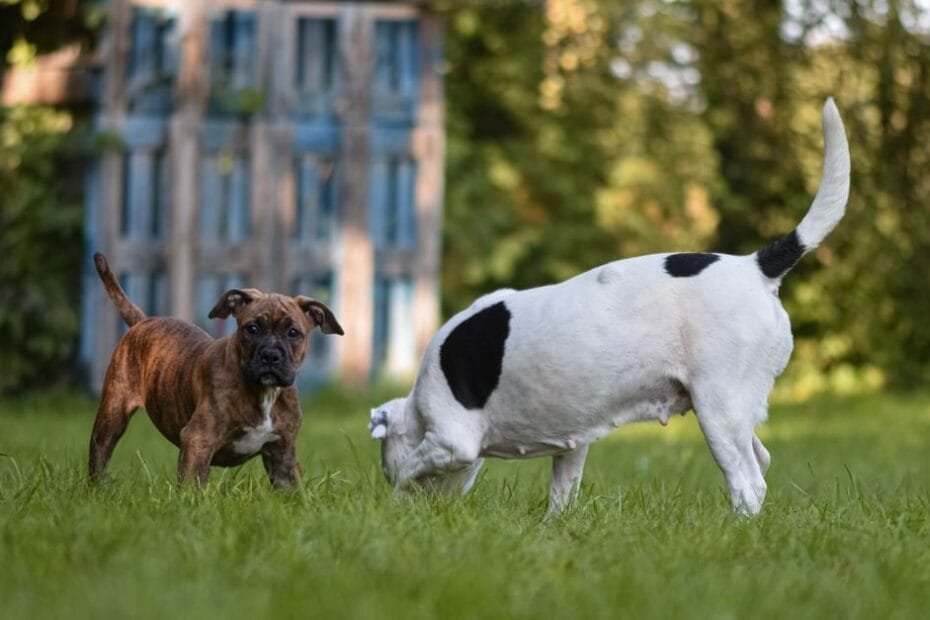
Reading dog body language means reading the WHOLE DOG in CONTEXT — the single most dangerous myth in the genre is that one part tells the story (“wagging means happy” has put more children in emergency rooms than any other sentence in dog ownership: a slow, stiff, high wag is a warning), when the real skill is a five-point scan — POSTURE (loose and curvy is comfortable; stiff and still is trouble loading), TAIL (height and speed together: helicopter-loose says friend, high-stiff-fast says aroused, tucked says scared), EARS (neutral, forward-intent, or pinned), EYES (soft and blinky versus the hard stare, and the “whale eye” white crescent that means a dog is watching a threat it can’t face), and MOUTH (the open relaxed pant versus the suddenly-CLOSED mouth that precedes most escalation). Layered under the scan are the CALMING SIGNALS — the lip-licks, yawns, head-turns, sniffing-the-ground, and shake-offs that dogs deploy as stress valves and de-escalation moves — and the ladder they climb when those whispers get ignored, which is how “he bit with no warning” is almost always a story about warnings nobody could read.
This is the complete literacy course: the five-point scan in detail, the happy-loose baseline worth memorizing on your own dog, the stress signals from whisper to shout (and the escalation ladder), play behavior decoded (bows, self-handicapping, and the healthy-play checklist), the greeting protocols between dogs and with strangers, the child-and-dog rules every household needs on the fridge, the breed-and-build caveats (tails, ears, and faces that can’t signal typically), and the moments when body language changes suddenly enough to mean medicine instead of mood.
Key Takeaways
- Read the whole dog, not one part — and always against context and the dog’s own baseline.
- A wagging tail means arousal, not happiness: height, speed, and stiffness carry the actual message.
- Loose and curvy = comfortable; stiff and still = trouble loading. Freeze is the loudest quiet signal in dogs.
- Calming signals (lip-licks, yawns, head-turns, shake-offs) are stress whispers — answer them and you never meet the shout.
- “No-warning” bites are almost always ignored-warning bites; punishing growls deletes the smoke alarm, not the fire.
- Sudden body-language change in an adult dog — new stillness, new grumpiness, new clinginess — is a vet flag first.

The Five-Point Scan (Whole Dog, Every Time)
POSTURE, the headline: weight centered and body CURVED means relaxed (comfortable dogs are bendy; they approach in arcs, not straight lines); weight forward with stillness means intent (prey, target, or challenge); weight back or lowered means fear looking for an exit; and the FREEZE — a dog that suddenly stops moving mid-interaction — is the single most-missed pre-bite signal in the literature: stillness is never neutral in a dog that was just moving.
Also Read
-
Puppy Teething: The Timeline, the Frozen Tier, and the Ten Thousand Trades

-
How to Socialize a Kitten: The Window, the Food Rule, and the Checklist

-
How to Stop a Cat Scratching Furniture: The Reroute, the Placement Law, and the Specs

-
How to Crate Train a Dog: The Four Stages, the Whining Tree, and the Physiology Table
TAIL, decoded properly: read HEIGHT (roughly, confidence — high is aroused/asserting, level is engaged, low is uneasy, tucked is scared) times SPEED (arousal volume) times STIFFNESS — the loose full-body helicopter wag is the genuinely friendly one, the high stiff flag ticking fast is a dog on the edge of something, and the slow low sweep with a soft body is calm contentment; the “wag = happy” correction is this section’s whole job.
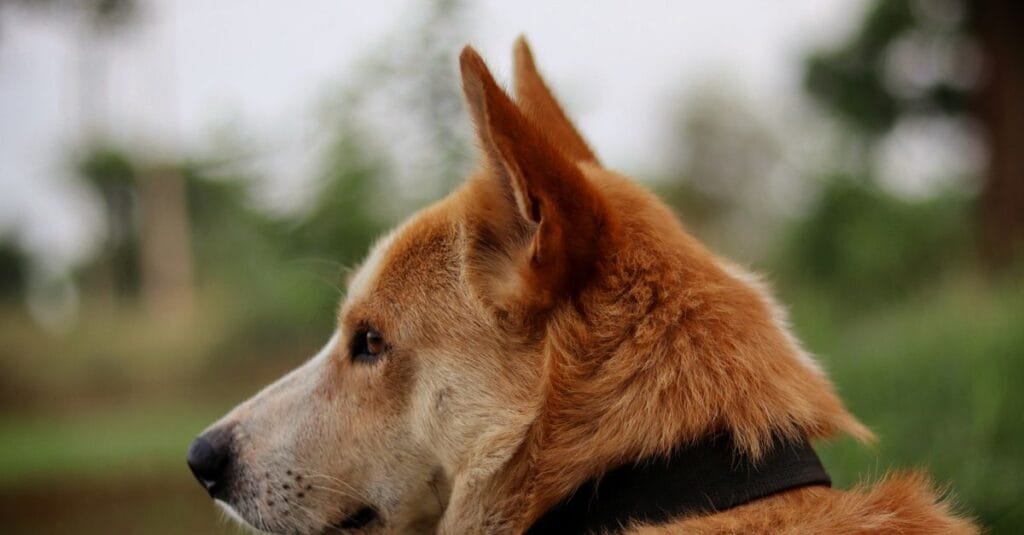
EARS, EYES, MOUTH: ears neutral/back-soft (relaxed) versus pinned flat (fear) versus locked forward (intent); eyes soft, blinky, with normal whites (fine) versus the hard unblinking stare (challenge — never answer it with your own) versus WHALE EYE, the white crescent when head and gaze point different ways — a dog monitoring a threat while trying not to face it, classically over a resource or a hugging child; mouth open-soft-panting (relaxed) versus abruptly CLOSED (concern arrived) versus the long commissure pulled back (fear grin) versus the short puckered front-teeth display (back off, formally).
The video above — Canine Revolution’s body-language 101 — walks live dogs through exactly these signals; watch it once for the ideas and once with your own dog in the room, because the second viewing is where the scan becomes reflex.
Calming Signals and the Escalation Ladder
THE WHISPER TIER, from the calming-signals canon: the out-of-context LIP-LICK (no food anywhere), the out-of-context YAWN (not sleepy — venting pressure), the HEAD-TURN away from what’s bothering, ground-SNIFFING that appears exactly when another dog approaches (a polite “I’m no trouble”), the slow-motion walk, and the SHAKE-OFF after a tense moment — a dog literally shaking off stress, the canine equivalent of exhaling; these are requests, and the humane household answers them by adding distance or ending the pressure.
THE LADDER, and why it matters legally and morally: ignored whispers escalate in order — look away, walk away, whale eye, freeze, growl, snarl, snap, bite — and every rung exists to AVOID the top; dogs that skip rungs almost always had rungs punished out of them, which is the case against growl-punishment in one sentence: the growl is the smoke alarm, and silencing alarms doesn’t put out fires, it removes the warning between children and the top rung.
THE STRESS CONTEXT LIST worth running when whispers cluster: vet lobbies, groomers, crowded patios, kids’ birthday parties, and the new-animal introductions this site staged step by step — clusters of lip-licks and yawns in those rooms are a dog asking to leave, and honoring two or three of those requests buys more trust than a year of treats.
Play, Decoded (Bows, Breaks, and the Healthy-Play Checklist)
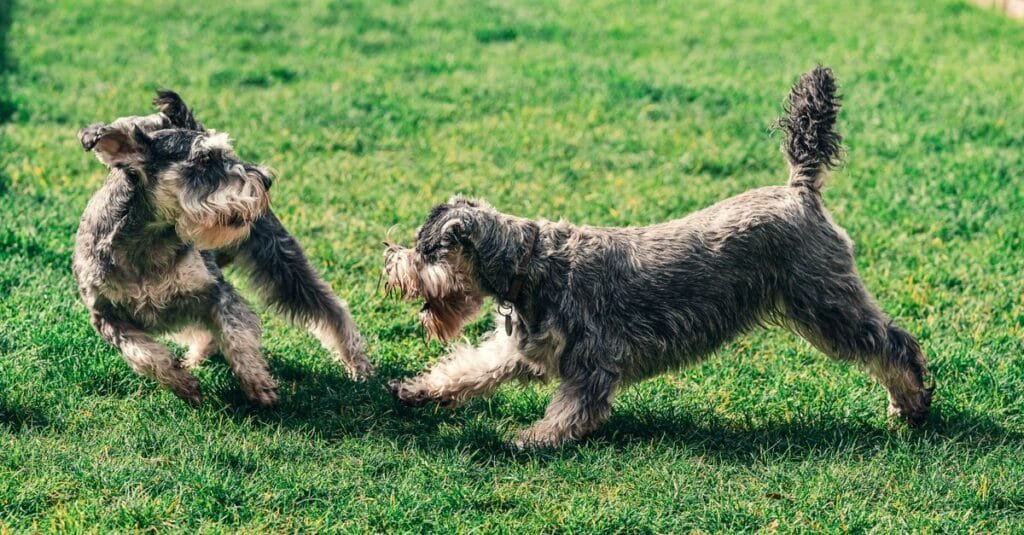
THE PLAY BOW — front end down, rear up, loose tail — is dog for “everything after this is a game,” the meta-signal that licenses the growling, chasing, and wrestling that would otherwise read as conflict; healthy play is BOUNCY and inefficient (exaggerated movements, sideways leaps), runs on ROLE REVERSAL (the chaser becomes the chased; the big dog self-handicaps, flopping down to let the puppy win), and takes natural PAUSES — micro-breaks every so often that act as consent check-ins.
THE TROUBLE CHECKLIST: play that loses its bounce and goes stiff and efficient, one dog always on the bottom with no role reversal, a dog trying to leave being body-blocked, vocalization shifting pitch, and hackles rising mid-game — any two of those together is the moment to calmly interrupt (the consent test: hold the “aggressor” gently — if the other dog bounces BACK for more, it was fine; if it leaves, you just read it right); the zoomies explainer covers the solo version of joyful arousal, and the same loose-versus-stiff read applies.
THE MOUTHING NOTE: puppy play-biting is a bite-inhibition curriculum with its own full playbook — the body-language skill here is distinguishing the loose-bodied mouthy puppy (training problem, solvable) from the stiff, hard-eyed grab (a different conversation), because the mouths look similar and the dogs do not.
Greetings (Dog-to-Dog and Dog-to-Stranger)
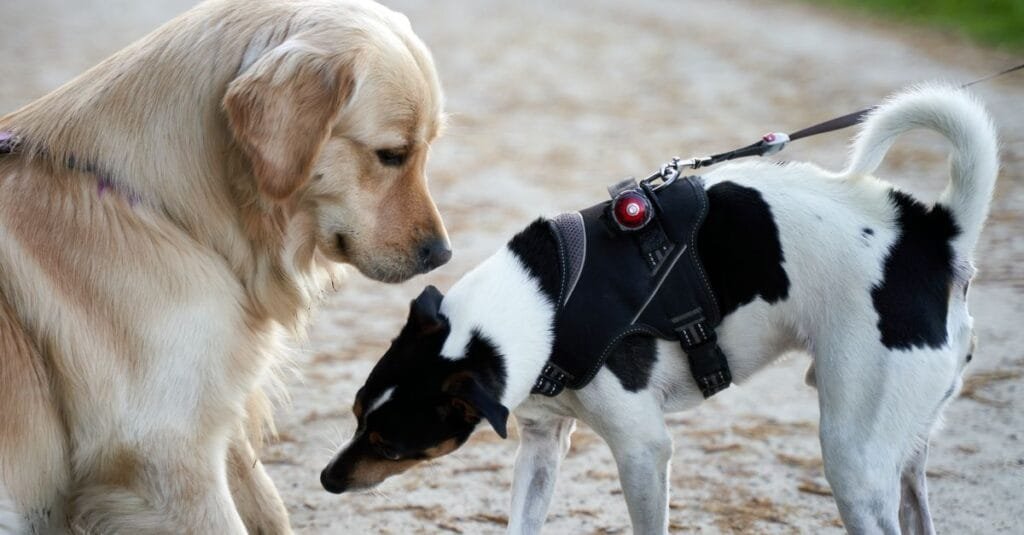
THE POLITE DOG-TO-DOG SCRIPT: approach in an ARC (head-on is rude in dog), brief mutual sniff at the rear (the business card exchange), loose bodies throughout, and a few seconds’ limit before moving along — the on-leash caveat matters because leashes delete the escape option and force straight-line approaches, which is why so many “he’s friendly!” sidewalk meetings go wrong: the equipment is fighting the etiquette.
THE STRANGER PROTOCOL to teach every guest: no looming, no reaching over the head, no direct stare — stand relaxed, side-on, and let the dog close the distance (the consent test again: pet for three seconds, stop, and see if the dog re-engages; if it doesn’t, it’s done) — and the fear-signals reminder that a dog retreating, lip-licking, or whale-eyeing at a guest is asking for distance the host should provide before the dog has to escalate the request.
THE CHILD-AND-DOG RULES, fridge-worthy and YMYL-serious: no hugging (dogs tolerate, rarely enjoy — hug photos are whale-eye galleries), no faces near faces, no bothering dogs that are eating, chewing, or sleeping, every child-dog interaction actively supervised, and an adult who can read the freeze-lick-turn sequence in the room — the overwhelming majority of bites to children are from known dogs in normal rooms, preceded by signals nobody was watching for.
Breeds, Builds, and the Baseline Problem
THE EQUIPMENT CAVEATS: docked tails can’t signal height, cropped or naturally-pinned ears can’t rotate meaningfully, brachycephalic faces pant at rest and can’t furrow, fluffy coats hide hackles, and curly-tailed breeds carry “high tail” as their factory setting — every one of those dogs still signals, but you read MORE from posture, weight, and mouth when the classic dials are missing.
THE BASELINE RULE that fixes it: learn YOUR dog’s normal — resting ear set, default tail carriage, ordinary blink rate, usual greeting style — because body language is read as DEVIATION from baseline, not against a universal chart; ten quiet minutes of watching your own dog relax is worth more than any diagram, and it’s the observational habit the behavior decoder hub builds across every signal this site has covered.
THE MEDICAL CROSSOVER, this site’s standing rule pointed at posture: SUDDEN body-language change in an adult dog — the social dog gone still, the tolerant dog gone growly, new hiding, new clinginess, a head held low, a tail that stopped wagging — is a pain-and-illness flag before it is a behavior problem (the shaking guide runs the same logic), and the vet visit outranks the trainer consult whenever the change arrived fast.
Frequently Asked Questions
How do you read dog body language?
Run the five-point scan — posture, tail, ears, eyes, mouth — on the whole dog at once, read it against context and that dog’s own baseline, and treat loose-and-curvy as comfortable, stiff-and-still as trouble loading. One body part alone always lies.
Does a wagging tail mean a dog is happy?
No — wagging means arousal. Read height, speed, and stiffness together: the loose full-body helicopter wag is friendly, while a high, stiff, fast-ticking tail belongs to a dog on the edge of something. The slow low sweep with a soft body is calm contentment.
What are calming signals in dogs?
Stress-venting and de-escalation moves: out-of-context lip-licks and yawns, head-turns, sudden ground-sniffing near another dog, slow-motion walking, and the shake-off after tension. They’re polite requests for distance — answer them and the dog never needs to escalate.
What is whale eye in dogs?
The white crescent that shows when a dog’s head and gaze point in different directions — a dog monitoring a threat it’s trying not to face, classically seen over food, toys, or a hugging child. It’s a serious early warning: add distance immediately.
Why do dogs bite “without warning”?
They almost never do — the warnings (look away, freeze, whale eye, growl) were missed or had been punished out of the dog. Never punish growling: it’s the smoke alarm, and silencing it removes the last warning without touching the fear underneath.
How can you tell if dogs are playing or fighting?
Play is bouncy and inefficient, with play bows, role reversals, self-handicapping, and natural pauses. Worry when it goes stiff and efficient, one dog can’t leave or is always on the bottom, and pitch changes — then run the consent test: separate briefly and see if both dogs choose to re-engage.
The Daily Practice (Ten Minutes to Fluency)
THE OBSERVATION DRILL: pick three ordinary moments a day — the doorbell, the leash coming out, a stranger on the walk — and narrate the five points to yourself before the moment resolves (posture? tail? ears? eyes? mouth?); fluency is just the scan running faster than events, and it arrives in about two weeks of deliberate reps.
THE VIDEO TRICK that accelerates everything: film your dog in a mildly exciting situation and watch it back at half speed — the lip-lick you missed live is obvious at half speed, and most owners find two or three signals per minute they had never once seen; it’s also the honest way to audit a dog-and-child interaction after the fact.
THE HOUSEHOLD SYLLABUS: teach every family member the same three non-negotiables first — freeze means stop everything, whale eye means give space, growl is information and is never punished — because a household that shares vocabulary responds consistently, and consistency is what the dog actually reads; the rest of the fluency can arrive at each person’s own pace.
The Bottom Line
Scan the whole dog — posture, tail, ears, eyes, mouth — against context and baseline, answer the whispers so you never meet the shouts, protect the growl as the warning system it is, referee play by bounce and role reversal, run greetings by arc and consent, put the child rules on the fridge, and send sudden changes to the vet before the trainer.
Your dog has been speaking clearly the entire time. This was never a language course — it was a listening one.

Hello! I'm Khan Hisham, a dedicated student with a profound passion for enhancing the lives of pets through comprehensive care. At Pawspera, our mission—"Prospering Pets, Every Day"—drives everything we do. We are committed to providing the latest insights, tips, and products that ensure your pet's health and happiness. Join us at Pawspera as we explore innovative ways to care for our furry friends with love and dedication.