
Dogs shake for many reasons — some completely harmless, like feeling cold, excited, or wet, and some serious, like pain, nausea, poisoning, or illness. Occasional shaking with an obvious cause is usually fine, but sudden, severe, or unexplained trembling needs a vet. Here’s how to tell them apart.
Key Takeaways
- Shaking is often harmless — cold, excitement, or shaking off water.
- But it can signal fear, pain, nausea, poisoning or illness.
- Small breeds shake more than large ones, often for benign reasons.
- Sudden or severe shaking — especially with other symptoms — is a vet emergency.
- When in doubt, call your vet; trembling can be an early warning sign.
Why is my dog shaking?
Shaking, trembling and shivering all look alike, and they can mean very different things.
Sometimes it’s your dog’s body doing something completely normal — warming up, releasing excitement, or drying off. Other times it’s a signal that something is wrong.
Also Read
-
How to Brush Your Cat’s Teeth: The Three-Week Ladder and the Paste Law

-
How to Remove a Tick From a Dog: The Grip, the Folklore Ban, and the Watch Window

-
Why Does My Cat Drink So Much Water? The Benign List, the Big Three, and the Measure

-
How to Protect Dog Paws From Hot Pavement: The Seven-Second Test and Three Substitutions

The goal of this guide is to help you read the difference calmly, and know when it’s time to act.
The short vet-advice video below is a helpful overview of the common causes.
Is it normal for dogs to shake?
Often, yes.
Plenty of shaking is harmless and self-explanatory — a cold morning, an exciting greeting, or a shake after a bath.
It’s the shaking with no obvious cause, or shaking that comes with other symptoms, that deserves a closer look.
Shaking because they’re cold
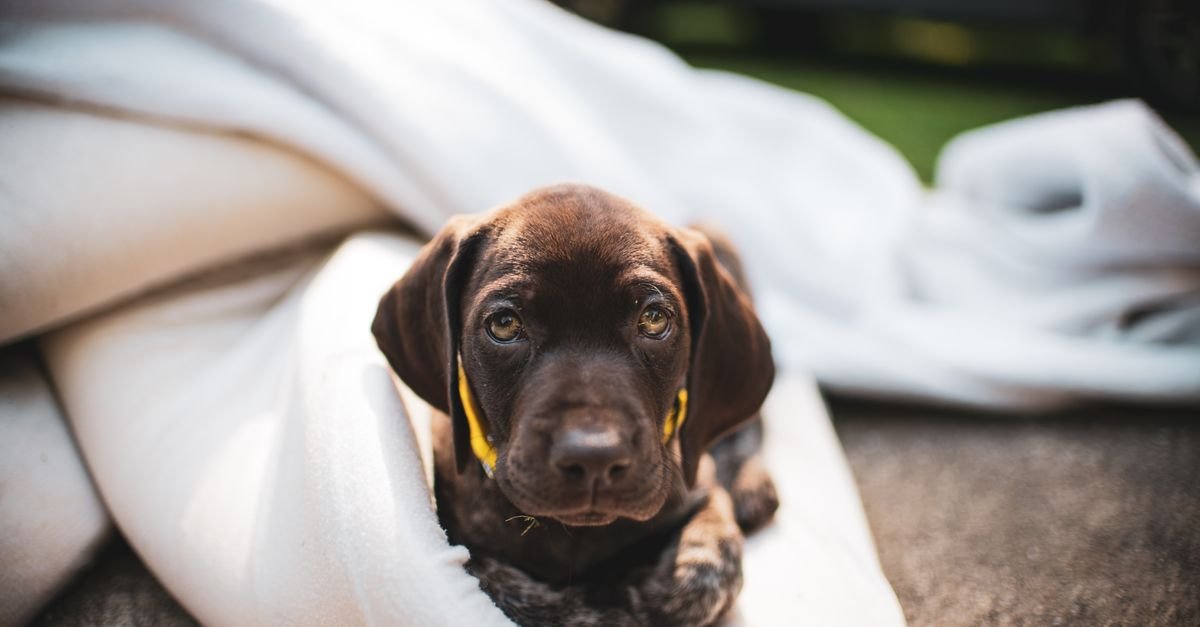
Just like us, dogs shiver to generate warmth.
Small, thin, short-coated and young or elderly dogs feel the cold most, and will tremble in chilly weather or cold rooms.
If your dog shakes in the cold, warmth is the fix — a cozy bed and a warm spot usually stop it. Our guide to heated pet beds can help in winter.
Shaking from excitement or happiness
Some dogs simply vibrate with joy.
Before a walk, at your homecoming, or during play, a rush of excitement can spill out as full-body trembling.
This kind of shaking is harmless and passes as your dog settles. It’s a compliment, really.
Shaking from fear, anxiety, or stress
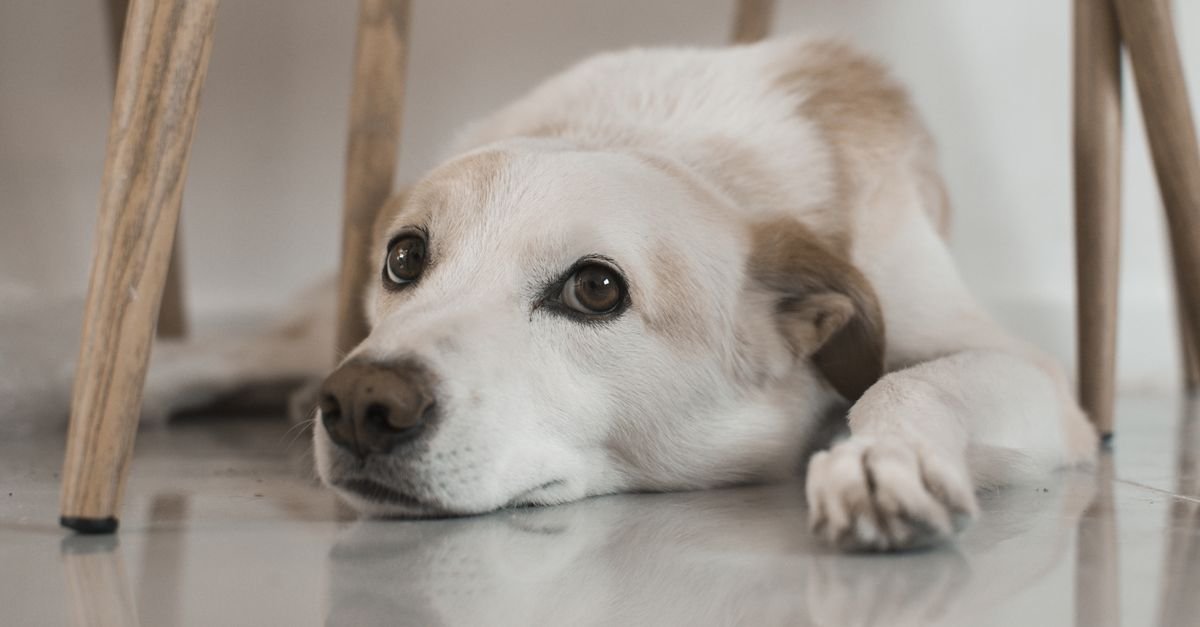
Trembling is a classic sign of a frightened dog.
Thunderstorms, fireworks, vet visits, car rides and new situations can all trigger anxious shaking, often alongside hiding, panting or a tucked tail.
Addressing the fear is the answer — our guide to anxiety relief for dogs walks through calming strategies.
Shaking after a bath or when wet
This one is pure physics and instinct.
Dogs shake vigorously to fling water from their coat, and may keep trembling afterward if they’re chilly from being wet.
Dry your dog well and keep them warm, and the shaking stops quickly.
Shaking from pain or injury
Dogs often hide pain, and trembling can be one of the few outward clues.
A dog in discomfort — from an injury, arthritis, or an internal problem — may shake, sometimes localized to one area or paired with reluctance to move.
Our guide on how to tell if your dog is in pain lists the signs to watch for.
Shaking from nausea
Feeling sick can make a dog tremble.
Nausea from motion sickness, dietary upset, or illness often comes with shaking, drooling, lip-licking, and sometimes vomiting.
If your dog seems queasy and shaky, especially after eating something new, keep an eye on them and consult your vet if it persists.
Shaking in older dogs
Trembling becomes more common with age.
Senior dogs may develop tremors in their legs from muscle weakness or joint issues, which can look alarming but are often manageable.
Because age-related shaking can overlap with pain or illness, it’s worth a vet check to be sure what you’re seeing.
Why do small dogs shake so much?

If you have a Chihuahua or similar, you’ve seen a lot of shaking.
Small breeds lose heat faster, have fast metabolisms, and are often more excitable and anxious — a perfect recipe for frequent, usually harmless trembling.
Knowing your dog’s baseline helps you spot when their shaking is different from normal.
Shaking that could be an emergency
Some causes of shaking are genuinely urgent.
Poisoning (from toxic foods, plants, or chemicals), dangerously low blood sugar, and severe illness can all cause trembling — often with vomiting, weakness, disorientation, or collapse.
If shaking is sudden and severe, or paired with these signs, treat it as an emergency and contact a vet immediately.
What about seizures and tremor syndromes?
It’s important not to confuse shaking with seizures.
A seizure usually involves loss of awareness, stiffening or paddling, and often collapse — very different from ordinary shivering. Some dogs also have specific tremor conditions a vet can diagnose.
If you suspect a seizure, film it if you safely can and seek veterinary help.
How to tell normal shaking from a warning sign
Run through a quick mental checklist.
Is there an obvious cause (cold, excitement, a bath)? Does it stop when that cause is removed? Is your dog otherwise bright, eating, and moving normally? Reassuring “yes” answers point to benign shaking.
Unexplained, persistent, or symptom-accompanied shaking points the other way.
When should you see a vet?
Call your vet promptly if the shaking is unexplained, severe, or comes with other symptoms.
Seek urgent care for shaking plus vomiting, weakness, collapse, disorientation, or a suspicion your dog ate something toxic.
When you’re unsure, it’s always safer to ask. This article is general information, not veterinary advice.
How to comfort a shaking dog

Once you’ve ruled out an emergency, focus on calm.
Warm your dog if they’re cold, remove the stressor if they’re scared, and offer a quiet, safe space and gentle reassurance without fussing anxiously yourself.
Your steady, calm presence genuinely helps an anxious dog settle.
Products that can help
For cold or anxious shakers, a few tools make a real difference.
A snug anxiety vest applies gentle, calming pressure; a warm bed helps cold-sensitive dogs; and vet-approved calming aids ease nervous trembling.
See our picks for the best calming aids for anxious dogs, or browse calming vests on Amazon.
How to prevent stress-related shaking
You can reduce anxious trembling over time.
Gradual, positive exposure to triggers, a predictable routine, plenty of exercise, and calming tools all lower your dog’s baseline stress.
For deep-seated fears, a vet or a certified behaviorist can build a tailored plan.
Shaking vs shivering vs seizures
A quick way to keep the terms straight:
- Shivering: usually cold or mild nerves; stops when the cause is gone.
- Trembling/shaking: broad term; can be benign or a symptom.
- Seizure: loss of awareness, stiffening or paddling — a medical emergency.
When behavior looks more like a seizure than a shiver, get veterinary help.
Common mistakes when your dog is shaking
- Assuming it’s “just cold” when other symptoms are present.
- Panicking, which can heighten an anxious dog’s stress.
- Ignoring sudden, severe shaking that may be an emergency.
- Giving human medication, which can be dangerous — ask your vet first.
- Not noting the pattern (when, how long, other signs) for your vet.
Why is my dog shaking and not eating?
Shaking combined with a loss of appetite is a combination to take seriously.
Together they more often point to pain, nausea, or illness than to something harmless like cold.
If your dog is trembling and refusing food, especially for more than a day, contact your vet.
Why does my dog shake in the car?
Car shaking is usually anxiety, motion sickness, or both.
Some dogs associate the car with stressful trips, while others feel physically queasy from the motion.
Gradual, positive car experiences and, if needed, vet advice on motion sickness can make journeys calmer.
Is it normal for a dog to shake while sleeping?
Usually, yes — it’s often just dreaming.
Twitching, paddling and mild shaking during sleep is normal as dogs dream, much like people do.
Be concerned only if the movements are violent, your dog can’t be woken easily, or it seems disoriented afterward, which can suggest a seizure.
Why does my dog shake their head a lot?
Head shaking specifically is different from body trembling.
Frequent head shaking usually points to an ear problem — infection, mites, or irritation — rather than general shivering.
Our guide on how to clean your dog’s ears can help, but persistent head shaking needs a vet.
Can storms and loud noises cause shaking?
Absolutely — noise phobia is common in dogs.
Thunder, fireworks and other loud sounds trigger fear that often shows as trembling, hiding and panting.
A safe space, calming tools, and gradual desensitization all help noise-sensitive dogs cope.
Should you comfort a fearful, shaking dog?
Yes — the old idea that comfort “rewards” fear is a myth.
A calm, reassuring presence helps a frightened dog feel safe; you can’t reinforce an emotion the way you would a trick.
Just stay relaxed yourself, since dogs take emotional cues from us.
Can low blood sugar cause shaking?
Yes, and it can be serious, especially in small and young dogs.
Low blood sugar (hypoglycemia) can cause trembling, weakness and disorientation, and needs prompt veterinary attention.
Toy breeds and puppies are most at risk, so treat shaking plus weakness as urgent.
A quick home-vs-vet decision guide
When shaking strikes, run through this:
- Obvious harmless cause (cold, excitement, a bath)? Likely fine.
- Dog otherwise bright, eating and moving normally? Reassuring.
- Any vomiting, weakness, collapse, or possible poisoning? Vet now.
- Unexplained and persistent? Book a vet visit.
How to keep an anxious dog calmer day to day
Lowering baseline stress reduces nervous shaking over time.
Predictable routines, daily exercise, a cozy safe space, and gradual exposure to triggers all help. Our guide to anxiety relief for dogs has more.
For persistent fear, a vet or certified behaviorist can build a tailored plan.
Do some dogs just shake more than others?
Yes — it varies by size, coat and temperament.
Small, thin, short-coated and naturally anxious dogs tremble more often and more easily than large, calm, thick-coated breeds.
Knowing your individual dog’s normal is the best way to spot a shake that’s genuinely out of character.
What if you’re not sure why your dog is shaking?
When the cause isn’t obvious, watch and note.
Record when the shaking happens, how long it lasts, and any other signs like appetite or energy changes — details that help your vet enormously.
If your gut says something is wrong, trust it and call your vet; you know your dog best.
Can shaking be excitement about walks or food?
Very often, yes.
The anticipation of a walk, dinner, or your arrival can send an excitable dog into full-body wiggles and trembles.
This happy shaking passes the moment the exciting thing happens — nothing to worry about.
Frequently Asked Questions
Why is my dog shaking for no reason?
There’s usually a reason, even if it isn’t obvious — cold, excitement, anxiety, nausea, pain, or an underlying illness. If you truly can’t identify a harmless cause, or the shaking is persistent or comes with other symptoms, have your vet examine your dog to rule out a medical problem.
Should I be worried if my dog is shaking?
Not if there’s an obvious, harmless cause (cold, excitement, a bath) and your dog is otherwise bright, eating and moving normally. Be concerned if shaking is sudden, severe, unexplained, or paired with vomiting, weakness, disorientation or collapse — those warrant urgent veterinary care.
Why do small dogs shake so much?
Small breeds lose body heat quickly, have fast metabolisms, and tend to be more excitable and anxious, so they tremble more often than large dogs — usually harmlessly. Learn your dog’s normal so you can spot when their shaking is different and might signal a problem.
Can anxiety make a dog shake?
Yes. Fear and anxiety are common causes of trembling, often triggered by thunderstorms, fireworks, vet visits or car rides, and usually seen with hiding, panting or a tucked tail. Addressing the trigger, calming routines, and vet-approved calming aids can reduce anxious shaking.
When is dog shaking an emergency?
Treat it as an emergency if shaking is sudden and severe, or comes with vomiting, weakness, collapse, disorientation, or any suspicion your dog ate something toxic. Very low blood sugar, poisoning and serious illness can all cause trembling, so contact a vet immediately.
Is my dog shaking because it’s cold?
Quite possibly, especially if it’s a small, thin, short-coated, young or senior dog in cool conditions. Cold-related shivering stops once your dog warms up, so a cozy, warm bed and a heated spot usually resolve it. If warming doesn’t help, look for other causes.
What’s the difference between shaking and a seizure?
Ordinary shaking or shivering doesn’t affect awareness and stops when the cause is removed. A seizure typically involves loss of awareness, stiffening or paddling limbs, and often collapse. If your dog’s episode looks like a seizure, film it if safe to do so and seek veterinary help.
The bottom line
Shaking is your dog’s body reacting to something — often as innocent as cold or excitement, occasionally as serious as pain or poisoning.
Look for an obvious cause, check whether your dog is otherwise well, and act fast when shaking is sudden, severe, or comes with other symptoms.
When unsure, call your vet. For everyday wellbeing, see our complete pet care guide and common signs of illness in pets.

Hello! I'm Khan Hisham, a dedicated student with a profound passion for enhancing the lives of pets through comprehensive care. At Pawspera, our mission—"Prospering Pets, Every Day"—drives everything we do. We are committed to providing the latest insights, tips, and products that ensure your pet's health and happiness. Join us at Pawspera as we explore innovative ways to care for our furry friends with love and dedication.