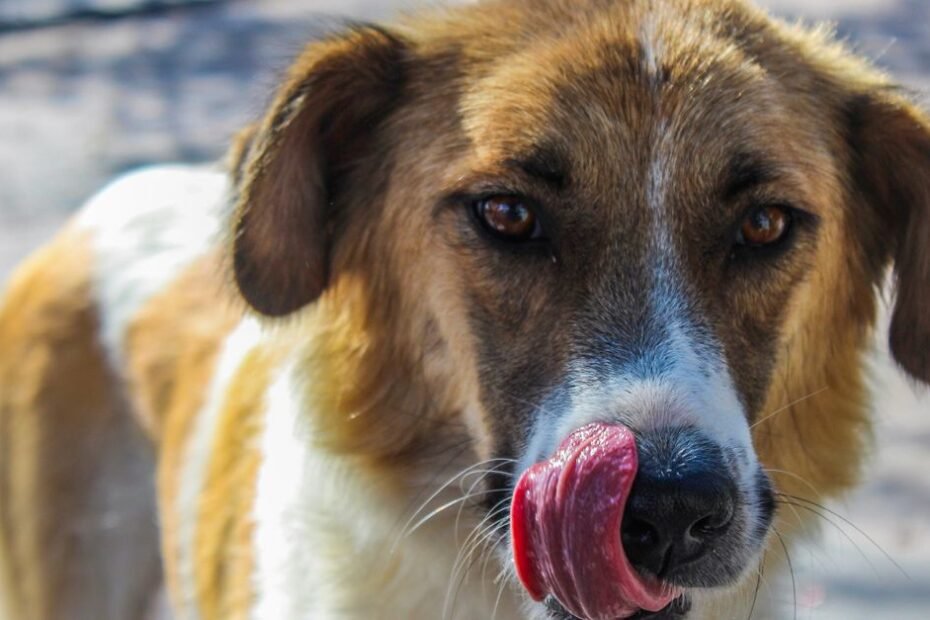
Dogs lick a lot because it’s how they explore, groom, and communicate — but excessive licking of you, themselves, or objects can also point to boredom, anxiety, allergies, or pain. A little licking is normal and affectionate; a sudden increase is worth a closer look. Here’s how to tell the difference and what to do.
Key Takeaways
- Licking is normal — it’s how dogs groom, taste, and show affection.
- Excessive licking can signal boredom, stress, allergies, or pain.
- Location matters — paws often mean allergies; the air or floor can mean nausea.
- Sudden changes in licking deserve a vet check.
- You can redirect it with enrichment, calming tools, and treating the cause.
Why does my dog lick so much?
Licking is one of the most natural dog behaviors there is.
Puppies are licked by their mothers from birth, and dogs carry that instinct into grooming, exploring the world by taste, and bonding with the humans they love.
Also Read
-
How to Socialize a Kitten: The Window, the Food Rule, and the Checklist

-
How to Stop a Cat Scratching Furniture: The Reroute, the Placement Law, and the Specs
-
How to Crate Train a Dog: The Four Stages, the Whining Tree, and the Physiology Table
-
Back to School With Pets: The Two-Week Taper, the Alone-Time Rebuild, and the Distress Line

So most licking is completely normal. The question is really about excessive licking — and that’s where the reasons get more interesting.
The short video below from veterinarian Dr. Lindsay Butzer is a helpful primer, especially on paw licking.
Is it normal for dogs to lick a lot?
Yes, within reason.
Occasional licking of you, themselves, or their surroundings is healthy, instinctive behavior that rarely needs any intervention.
It becomes worth investigating when it’s constant, focused obsessively on one spot, or clearly new compared with your dog’s normal habits.
Why do dogs lick people?
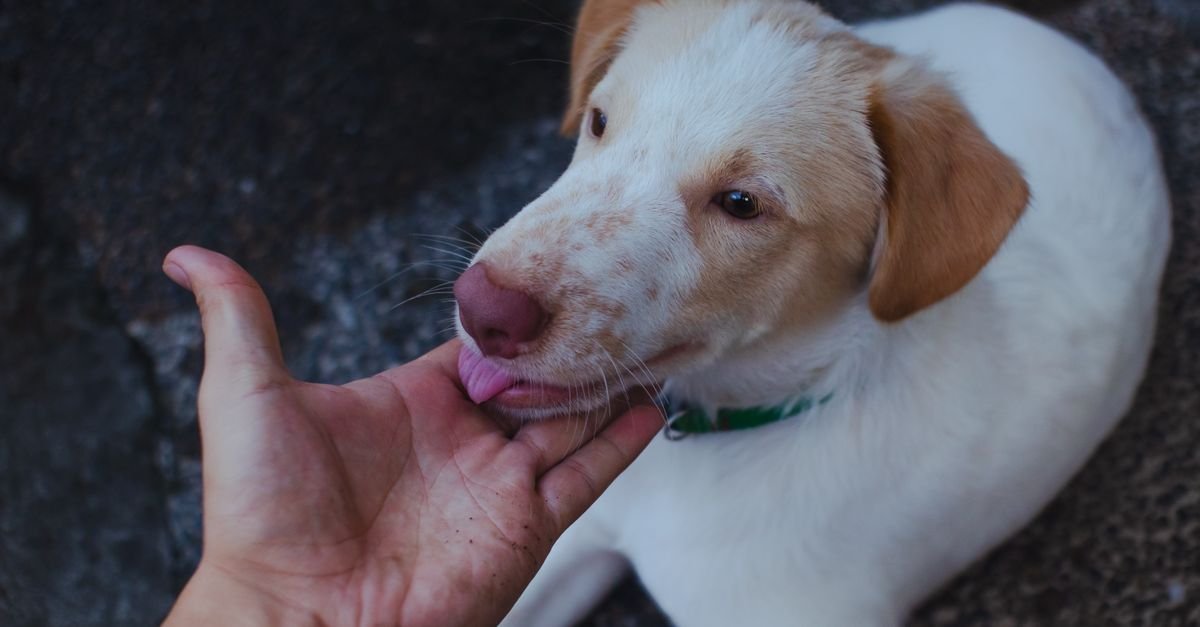
When your dog licks you, it’s usually communication and affection.
Licking releases feel-good chemicals for your dog, and it’s a learned way to get your attention — you react, so they keep doing it.
It can also be about taste (salty skin), grooming you as part of their “pack,” or simply saying hello.
Why does my dog lick me so much all of a sudden?
A sudden spike in licking you specifically often has a trigger.
It may be that they’ve learned it earns attention, that they’re feeling anxious and self-soothing, or that they’ve picked up on a change in your routine or mood.
If it’s paired with other worried behaviors, treat it as your dog telling you something feels off.
Why does my dog lick their paws?
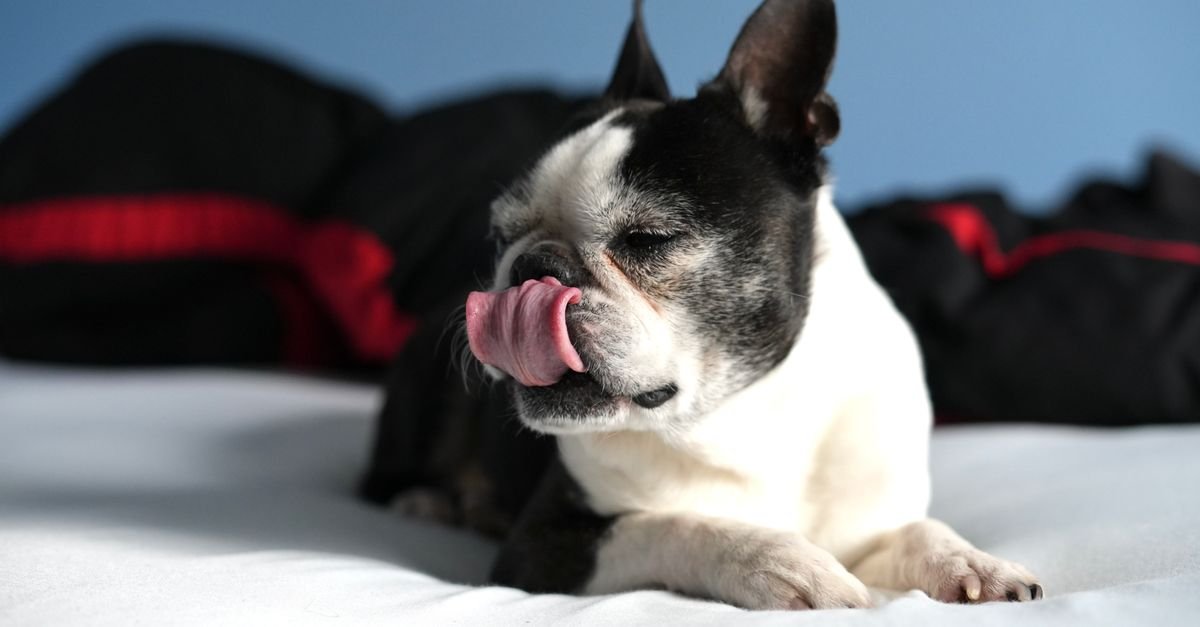
Paw licking is one of the most common reasons owners get concerned — and it’s often about allergies.
Environmental or food allergies frequently show up as itchy paws, leading to constant licking and chewing. Injuries, irritants and even boredom can cause it too.
Persistent paw licking can create sore, infected skin, so it’s worth addressing early. Our guide to dog hot spots covers where this can lead.
Why does my dog lick the floor, furniture, or objects?
Licking surfaces obsessively can have a few explanations.
Sometimes it’s simply leftover tastes and smells. But repetitive licking of floors and objects can also signal nausea, digestive discomfort, or a compulsive habit.
If your dog is suddenly licking surfaces a lot, especially with lip-smacking or drooling, mention it to your vet.
Why does my dog lick the air?
Air licking looks odd and usually points to how your dog is feeling physically.
It’s often linked to nausea, dental discomfort, or something stuck in the mouth. Occasionally it’s a stress response or a focus behavior.
A one-off is nothing; a pattern is worth a vet’s opinion.
Licking as a sign of anxiety or stress
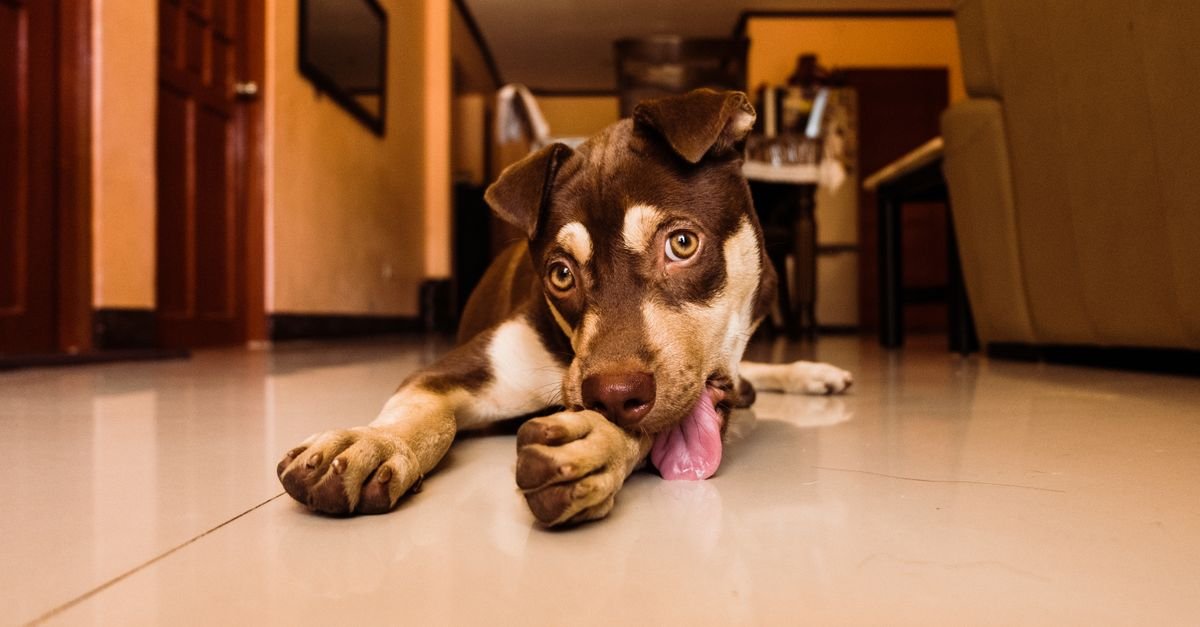
Licking is a classic self-soothing behavior in dogs.
Much like a person biting their nails, a stressed dog may lick themselves, you, or objects to calm down and release tension.
If licking spikes during storms, separation, or changes at home, anxiety is a likely driver. Our guide to anxiety relief for dogs can help.
Licking from allergies or skin problems
Itchy skin is a top medical cause of excessive licking.
Allergies, dry skin, parasites and infections all make dogs lick and chew to relieve the itch — often the paws, belly, or base of the tail.
Because scratching-by-licking can worsen the skin, this is one to treat at the source with your vet’s help.
Licking from pain or nausea
Sometimes licking is a signal of discomfort.
Dogs may lick a specific spot that hurts, or lick their lips and the air when they feel sick. Excessive licking can be an early, easily-missed sign of pain.
Our guide on how to tell if your dog is in pain lists other signs to watch for.
Licking out of boredom
An under-stimulated dog will often invent something to do — and licking fits the bill.
Dogs left alone or without enough mental and physical exercise may lick themselves or their surroundings simply to pass the time.
More walks, play, and enrichment usually reduce this kind of licking quickly.
When does licking become compulsive?
Occasionally, licking crosses into a compulsive habit.
What may have started as boredom, anxiety or an itch can become a self-reinforcing behavior the dog repeats even after the original cause is gone.
Compulsive licking (sometimes called “lick granuloma” when it damages the skin) needs veterinary and behavioral support to break the cycle.
When is licking a problem?
Ask yourself a few simple questions.
Is it constant? Focused on one spot? Causing hair loss, redness or sores? Paired with other symptoms like drooling, limping or low energy? Any “yes” moves it from quirk to concern.
Trust your sense of your own dog — you know their normal better than anyone.
When should you see a vet?
Reach out to your vet if excessive licking is sudden, obsessive, or paired with other symptoms.
Red flags include raw or infected skin, licking one spot relentlessly, lip-smacking with drooling, or any sign of pain or illness.
Because licking can be an early clue to a medical problem, it’s always worth a professional opinion. This article is general information, not veterinary advice.
How do you stop excessive licking?
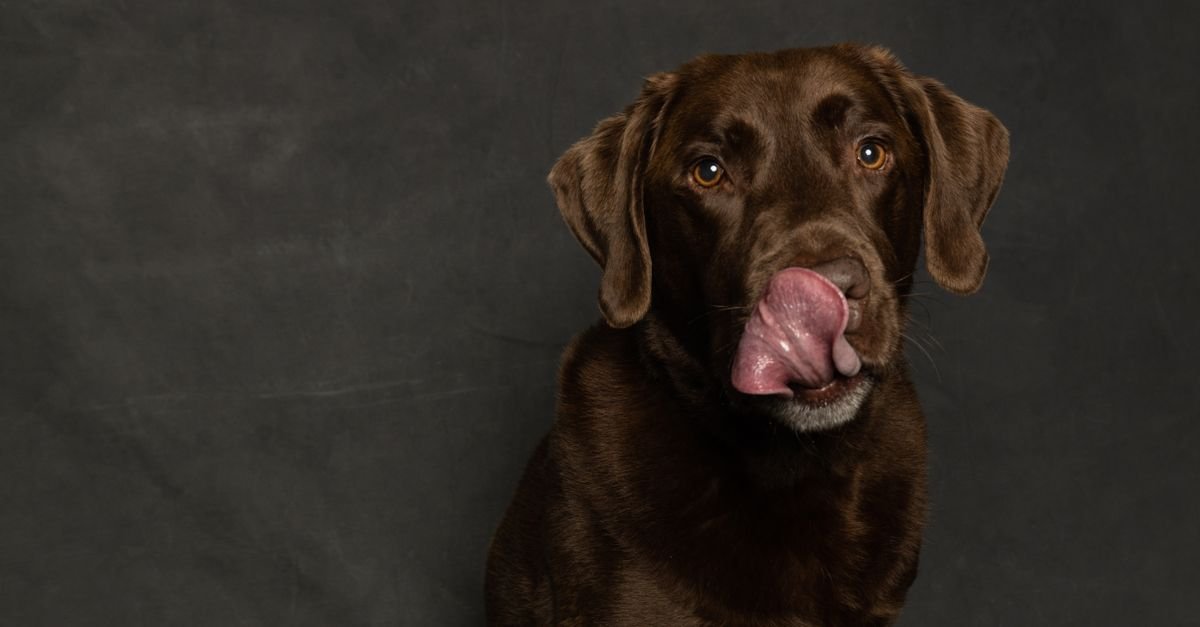
The key is treating the cause, not just the symptom.
Rule out medical issues with your vet first, then address boredom with exercise and enrichment, and anxiety with calming routines and tools. Gently redirect the behavior when it starts.
Punishment doesn’t work and often makes anxiety-driven licking worse.
Products that can help
A few tools make it easier to redirect licking into something positive.
A lick mat gives dogs a satisfying, calming outlet; puzzle toys ease boredom; and vet-approved calming aids help anxious lickers.
See our picks for the best lick mats for dogs, or browse lick mats on Amazon.
How to redirect the behavior
When licking starts, calmly give your dog something better to do.
Offer a chew, a stuffed toy or a quick training game, and reward the calm behavior that follows. Over time this teaches a healthier default.
Consistency from everyone in the household is what makes redirection stick.
Should you let your dog lick your face?
It’s a personal choice, with a mild hygiene caveat.
A dog’s mouth carries bacteria, so many people avoid face-licking, especially around the mouth, nose and eyes, or with young children and anyone immune-compromised.
For most healthy adults an occasional face lick is low-risk — just wash up afterward if it bothers you.
Does licking mean my dog loves me?
Often, yes — but not always.
Licking you is frequently affection and bonding. It can also be attention-seeking, taste, or anxiety, so read it alongside the rest of your dog’s body language.
A relaxed, wiggly dog licking you is usually just love; a tense, obsessive licker may need help.
Common mistakes when addressing licking
- Punishing the dog, which worsens anxiety-driven licking.
- Ignoring a sudden change, which can miss a medical cause.
- Assuming it’s “just love” when it’s really an itch or nausea.
- Only treating the skin, not the underlying allergy or stress.
- Skipping the vet for relentless, one-spot licking.
Why does my dog lick me when I’m upset?
Dogs are remarkably tuned in to our emotions.
When you’re crying or stressed, your dog may lick you to comfort you and to soothe its own worry — it senses something has changed and responds with a familiar bonding behavior.
It’s one of the sweeter reasons behind a lick, and a reminder of how closely dogs read us.
Does licking help dogs relax?
Yes — licking can be genuinely calming for dogs.
The repetitive motion releases soothing brain chemicals, which is exactly why anxious dogs lick and why lick mats work so well as a calming tool.
A little self-soothing licking is healthy; it only becomes a concern when it turns constant or damages the skin.
Why does my dog lick other dogs?
Licking between dogs is normal social behavior.
Dogs lick each other to groom, to show friendliness or deference, and to gather information through scent and taste.
A quick face or ear lick between dog friends is usually polite canine communication, not a problem.
Why does my dog lick their bed or blanket?
Licking bedding is often self-soothing or leftover-scent behavior.
Some dogs lick fabric to relax before sleep, like a comfort habit. Others are drawn to lingering food smells or their own scent.
If it becomes obsessive, or they’re swallowing fabric, mention it to your vet.
Can I get sick from my dog licking me?
For most healthy people, the risk is very low.
Dog mouths carry bacteria, so it’s sensible to avoid licks on your face, broken skin, or around your mouth, and to wash afterward.
Those who are pregnant, very young, elderly or immune-compromised should be a little more cautious.
Should you let a dog lick a wound?
No — despite the old myth, this isn’t a good idea.
A dog licking its own wound (or yours) can introduce bacteria and delay healing, which is exactly why vets use those protective cones.
Keep wounds clean and covered, and ask your vet about proper care instead.
How much licking is too much?
Use a simple rule of thumb.
If licking is brief, occasional, and doesn’t damage the skin or interrupt normal life, it’s fine. If it’s constant, obsessive, causes bald patches or sores, or comes with other symptoms, it’s too much.
When in doubt, your vet can help you judge.
Does licking change as dogs age?
It can.
Senior dogs sometimes lick more due to arthritis pain, cognitive changes, or nausea from age-related conditions.
A new licking habit in an older dog is worth a vet check rather than writing off as “just getting old.”
Why does my dog lick the air when I scratch them?
That funny air-licking during a good scratch is usually pure pleasure.
Scratching a favorite spot can trigger a reflex that makes dogs lick or “chatter” in bliss.
It’s harmless and rather endearing — a sign you’ve found the perfect spot.
Does breed affect how much a dog licks?
Somewhat, yes.
Temperament varies by breed and individual, so some dogs are naturally more “licky” and affectionate than others.
Knowing your own dog’s baseline matters more than the breed average when judging whether licking is excessive.
Frequently Asked Questions
Why does my dog lick me so much?
Dogs usually lick you out of affection, to get your attention, or because they like the salty taste of your skin. It’s a learned, feel-good behavior. Occasionally excessive licking of you signals anxiety, so consider whether it’s calm and affectionate or tense and obsessive.
Why does my dog lick their paws constantly?
Constant paw licking is most often caused by allergies (environmental or food), which make the paws itchy. Injuries, irritants, parasites, boredom and anxiety can also cause it. Because relentless licking can create sores and infection, persistent paw licking is worth a vet visit.
Is it bad if my dog licks a lot?
Occasional licking is normal and healthy. It becomes a concern when it’s constant, obsessively focused on one spot, causing hair loss or sores, or paired with other symptoms like drooling, limping or low energy. Sudden changes in licking always deserve attention.
Can licking be a sign of illness?
Yes. Excessive licking can indicate allergies, skin infections, pain, nausea or dental problems, and it’s sometimes an early, easily-missed clue to a medical issue. If licking is sudden, obsessive, or comes with other symptoms, have your vet check your dog.
How do I get my dog to stop licking so much?
First rule out medical causes with your vet. Then address boredom with more exercise and enrichment, ease anxiety with calming routines and tools, and gently redirect licking to a chew or toy. Avoid punishment, which tends to make anxiety-driven licking worse.
Why does my dog lick the air or the floor?
Licking the air or floor can be leftover tastes and smells, but repetitive bouts often signal nausea, digestive upset, dental discomfort, or a compulsive habit. An occasional lick is nothing; a new, persistent pattern — especially with drooling — is worth a vet’s opinion.
Is it safe to let my dog lick my face?
It’s a personal choice. A dog’s mouth carries bacteria, so many people avoid face-licking, particularly around the mouth, nose and eyes, and with children or anyone immune-compromised. For most healthy adults an occasional face lick is low-risk; simply wash afterward if you prefer.
The bottom line
Licking is a normal, affectionate part of being a dog — but a sudden surge can be your dog’s way of flagging boredom, stress, an itch, or pain.
Notice where and when it happens, rule out medical causes with your vet, and meet the real need with enrichment, calm, and the right tools.
New to dog care? Start with our complete pet care guide and our roundup of calming lick mats.

Hello! I'm Khan Hisham, a dedicated student with a profound passion for enhancing the lives of pets through comprehensive care. At Pawspera, our mission—"Prospering Pets, Every Day"—drives everything we do. We are committed to providing the latest insights, tips, and products that ensure your pet's health and happiness. Join us at Pawspera as we explore innovative ways to care for our furry friends with love and dedication.