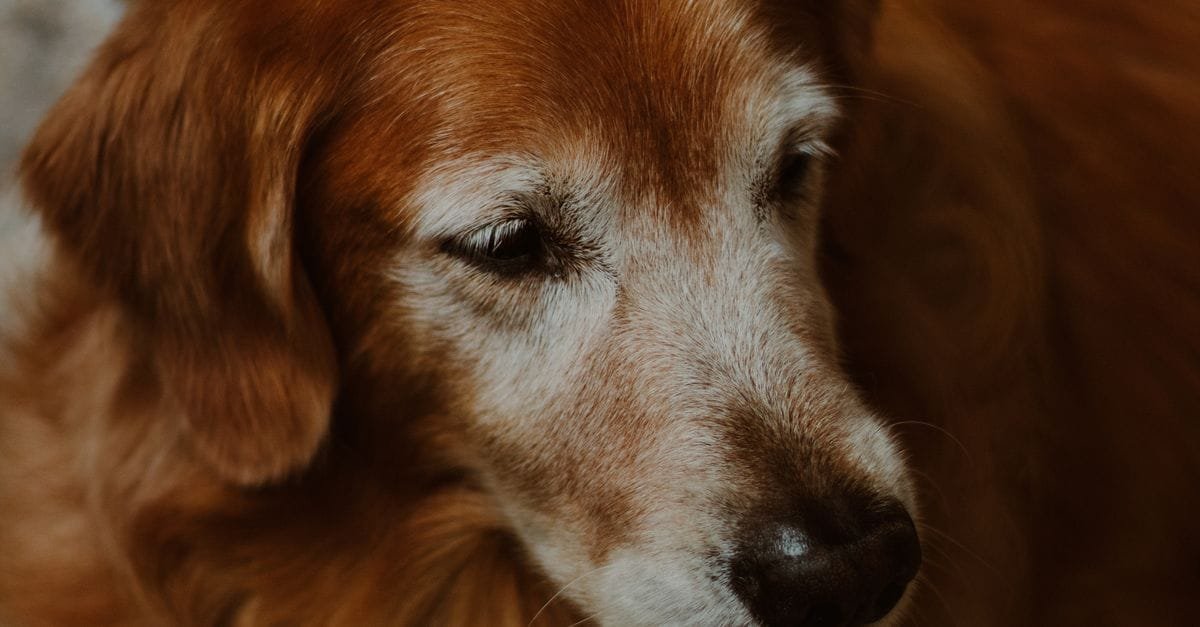
One day you look at your dog and realise the muzzle has gone grey, the sprints have become strolls, and they sleep a little deeper than they used to. Watching a dog age is bittersweet — but the senior years can be some of the most rewarding, calm, and loving of your time together. With a few thoughtful adjustments, you can keep your aging dog comfortable, healthy, and happy for as long as possible. Here is how.
When Is a Dog “Senior”?
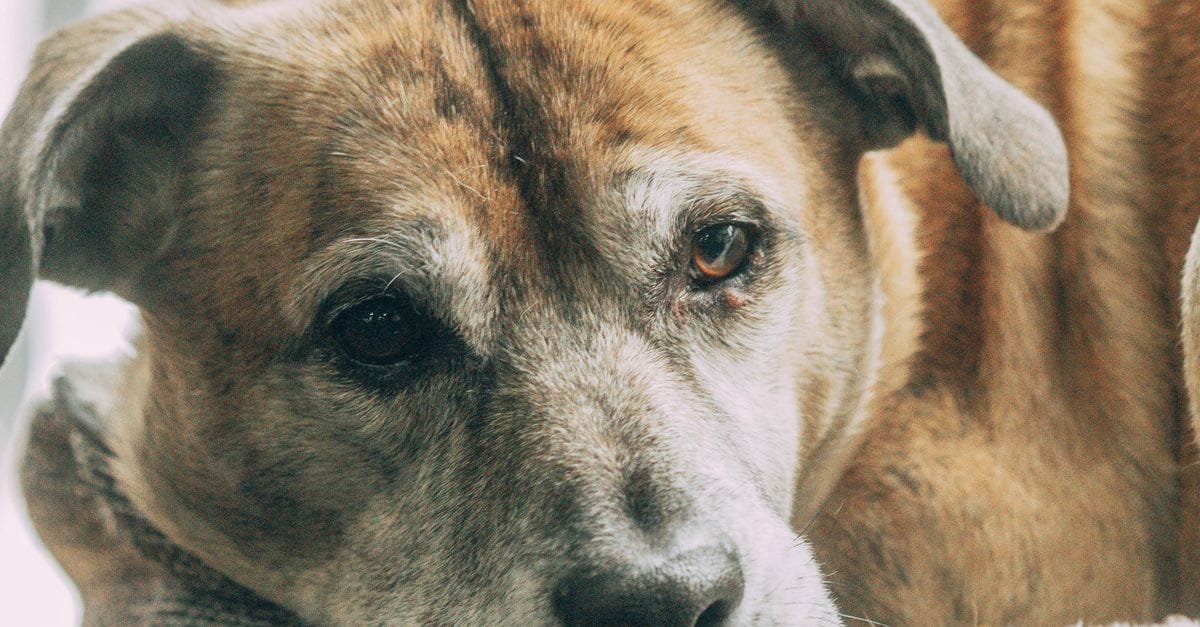
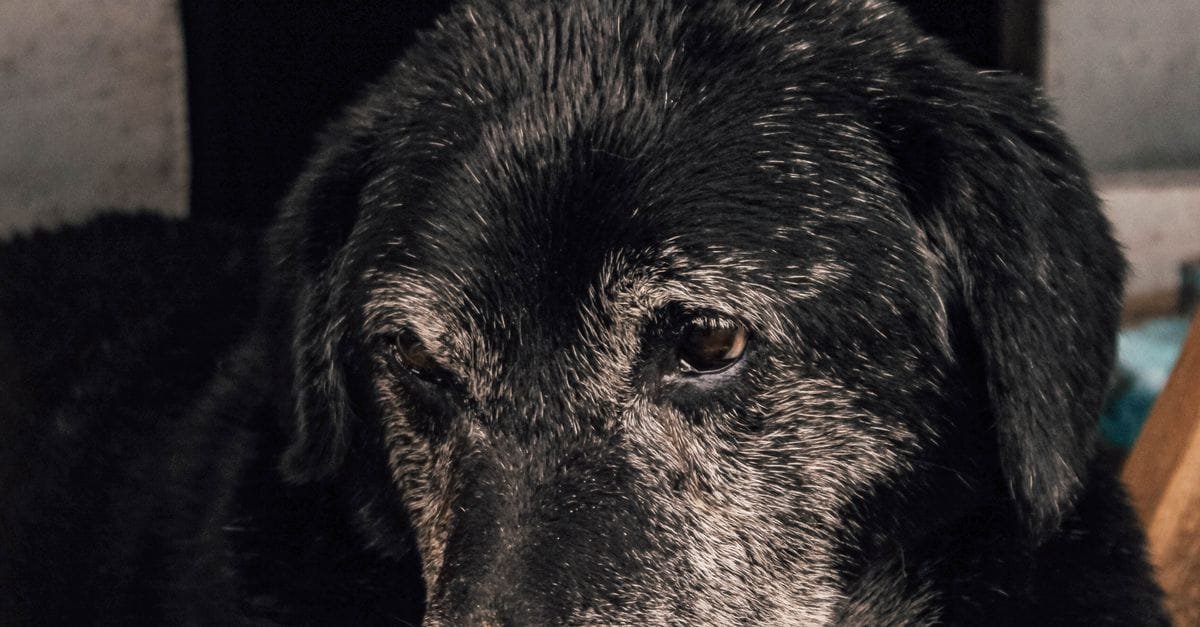
It depends on size. Large breeds age faster and may be seniors by 6–7 years; small breeds often not until 10 or later. Watch for the signs — greying, slowing down, more sleep, stiffness after rest — rather than just the number, and adjust their care as you notice changes.
Adjust Their Diet
Older dogs are usually less active, so they need fewer calories to avoid weight gain — extra weight is hard on aging joints. Many do well on a senior dog food formulated for their life stage, with the right protein and joint-supporting nutrients. Keep an eye on their weight and adjust portions; your vet can help you find the sweet spot. See our dog food guide for quality options.
Also Read
-
How to Protect Dog Paws From Hot Pavement: The Seven-Second Test and Three Substitutions

-
How to Keep Dogs Cool in Summer: The Schedule, the Risk Tiers, and the Emergency Protocol

-
The Complete Pet Health Guide: Prevention, Warning Signs, and When to Call the Vet
-
Why Does My Puppy Have Hiccups? The Adorable Spasm, Explained

Protect Their Joints & Mobility
Stiffness and arthritis are the most common senior-dog issues. A few things help enormously:
- Joint supplements — glucosamine and omega-3s support aging joints; a joint supplement is worth discussing with your vet.
- An orthopedic bed — a supportive orthopedic bed cushions sore joints and helps them rest well.
- Traction — rugs or runners on slippery floors prevent painful slips.
- Ramps — a pet ramp saves their joints from jumping into cars or onto furniture.
See the Vet More Often
Senior dogs benefit from check-ups twice a year rather than once. Many age-related conditions — kidney issues, dental disease, arthritis, heart problems — are far easier to manage when caught early. Routine bloodwork gives your vet a baseline and catches problems before symptoms show.
Keep Them Moving (Gently)
Exercise is still important — it keeps joints mobile and weight in check — but adjust it. Swap one long walk for a couple of shorter, gentler ones. Swimming is wonderful for arthritic dogs. Let your dog set the pace, and never push through obvious pain.
Support Their Mind
Just like people, dogs can experience cognitive decline with age (sometimes called “doggy dementia”). Keep their brain engaged with gentle play, puzzle toys, and a predictable routine. Familiarity is comforting — keep furniture and their belongings in consistent places, especially if their eyesight is fading.
Comfort at Home
Small changes make a big difference: easy access to food, water, and a warm, draught-free bed; raised bowls if bending is hard; and patience with accidents, which can become more common. Our natural remedies guide covers gentle comfort measures too (alongside, never instead of, your vet’s advice).
Signs to Call the Vet
- Sudden weight loss or appetite change
- Difficulty standing, climbing, or obvious pain
- Increased thirst or urination
- Confusion, restlessness, or disrupted sleep
- New lumps, lethargy, or laboured breathing
Don’t Forget Dental Care
Dental disease is one of the most common — and most overlooked — problems in senior dogs. Painful teeth and gums make eating hard, and infection can affect the heart and kidneys. Watch for bad breath, drooling, reluctance to eat, or pawing at the mouth. Regular tooth brushing with dog-safe toothpaste is the gold standard; dental chews and vet dental cleanings help too. It is never too late to start caring for your senior dog’s teeth, and it can add real comfort to their days.
Cherishing the Golden Years
Beyond the practical care, the senior years ask for something simpler: presence. Your dog may not run like they used to, but they still want to be near you, sniff the world on a slow walk, and feel safe and loved. Learn their new normal so you can spot when something changes. Keep their routine gentle and predictable. Celebrate the small things — a good nap in a sunbeam, a favourite treat, a quiet evening at your feet. These years are calmer, but they are precious. Caring well for an aging dog is one of the most loving things you will ever do, and the bond you share now is the reward for everything you have given each other.
Common Health Conditions in Senior Dogs
Knowing what tends to crop up in older dogs helps you catch problems early, when they are most treatable. The most common include:
- Arthritis & joint pain — stiffness, slowing down, trouble with stairs. Manageable with weight control, supplements, and vet care.
- Dental disease — painful and linked to other health problems; very common and very preventable.
- Kidney & liver changes — often silent early; routine bloodwork catches them.
- Heart disease — watch for coughing, tiring easily, or laboured breathing.
- Vision & hearing loss — keep furniture consistent and approach gently so you don’t startle them.
- Lumps & bumps — many are harmless, but have any new lump checked promptly.
- Cognitive decline — confusion or disrupted sleep; routine and mental stimulation help.
Nutrition for Aging Dogs: A Closer Look
Senior nutrition is about quality and balance. Older dogs still need good protein to maintain muscle (the old advice to slash protein is outdated for most healthy seniors), but they generally need fewer calories overall to avoid weight gain. Omega-3 fatty acids support joints and coat, and added fibre can help digestion. If your dog has a specific condition — kidney disease, heart disease, diabetes — your vet may recommend a therapeutic diet, which can genuinely extend and improve their life. Keep fresh water easily accessible (senior dogs are prone to dehydration), and consider raised bowls if bending is uncomfortable. Always make diet changes gradually.
Thinking About Quality of Life
This is the tender part of senior care, and it deserves honesty. As your dog ages, gently keep track of their good days versus hard days — appetite, mobility, interest in you and their favourite things, and freedom from pain. Most dogs have many more good days than bad for a long time, and your job is simply to maximise comfort: soft bedding, easy access to everything, pain management your vet provides, and lots of gentle love. Talk openly with your vet about what to watch for and how to keep your dog comfortable. You do not have to face these decisions alone, and there is no greater gift you can give a lifelong friend than a comfortable, dignified, well-loved old age.
Senior Dog Care FAQ
How often should a senior dog see the vet?
Twice a year is ideal for senior dogs, so age-related conditions can be caught and managed early.
Should senior dogs still exercise?
Yes — gentle, regular exercise keeps joints mobile and weight healthy. Just shorten and soften it, and let your dog set the pace.
What helps a senior dog with stiff joints?
An orthopedic bed, joint supplements (ask your vet), traction on slippery floors, ramps, and keeping them at a healthy weight all help reduce joint strain.
The Takeaway
Caring for a senior dog is about small, loving adjustments: the right diet, joint support, more frequent vet visits, gentle exercise, mental engagement, and a comfortable home. Your dog has given you their whole life — these golden years are your chance to make them as comfortable and cherished as possible. Watch them closely, lean on your vet, and enjoy the calm, devoted companion they have become.