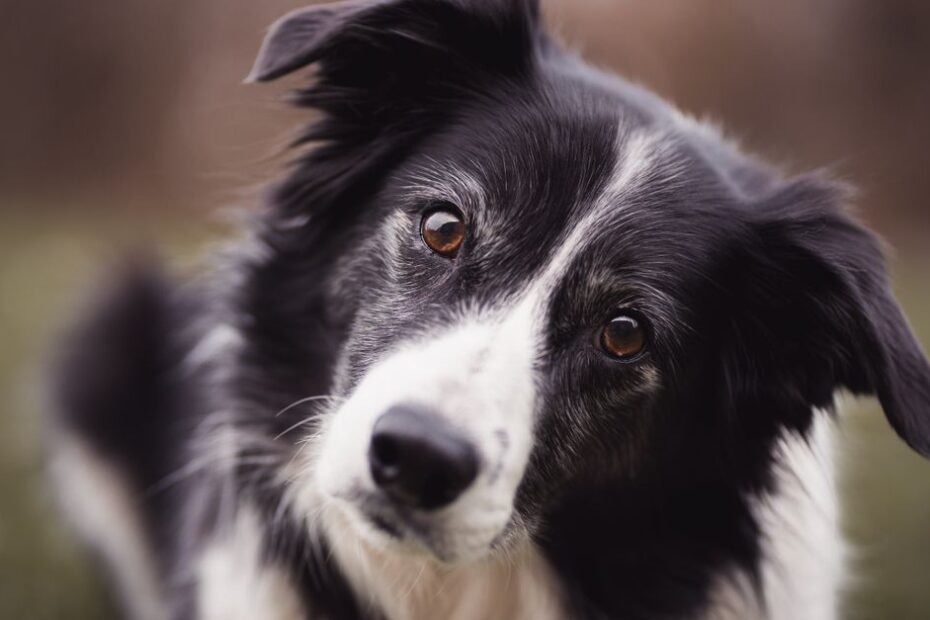
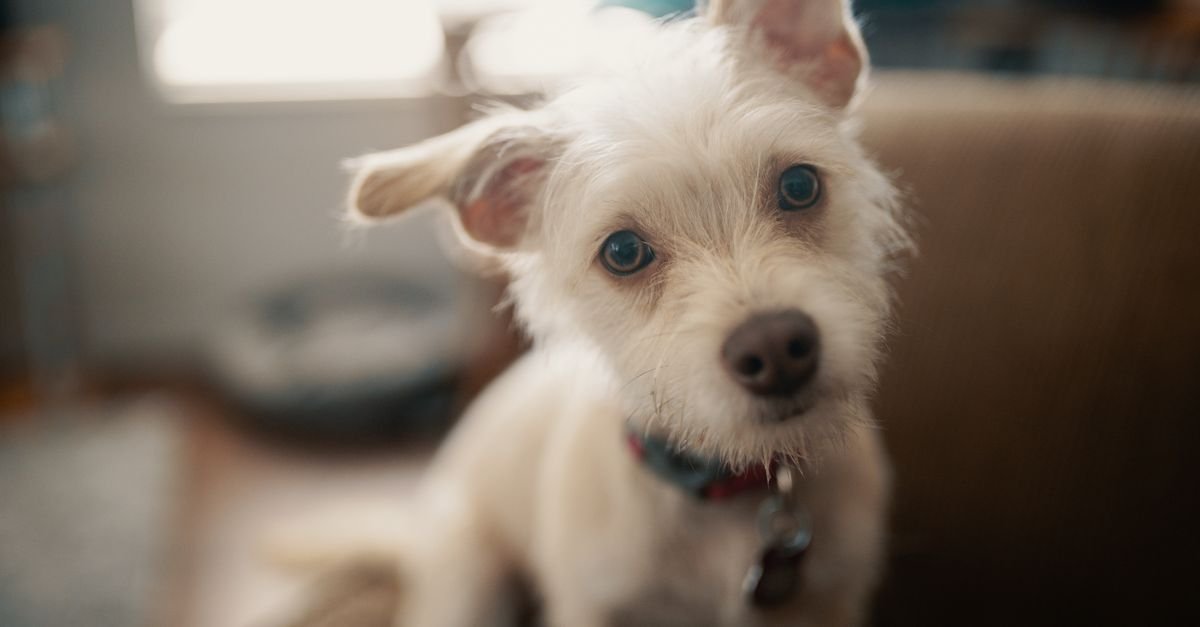
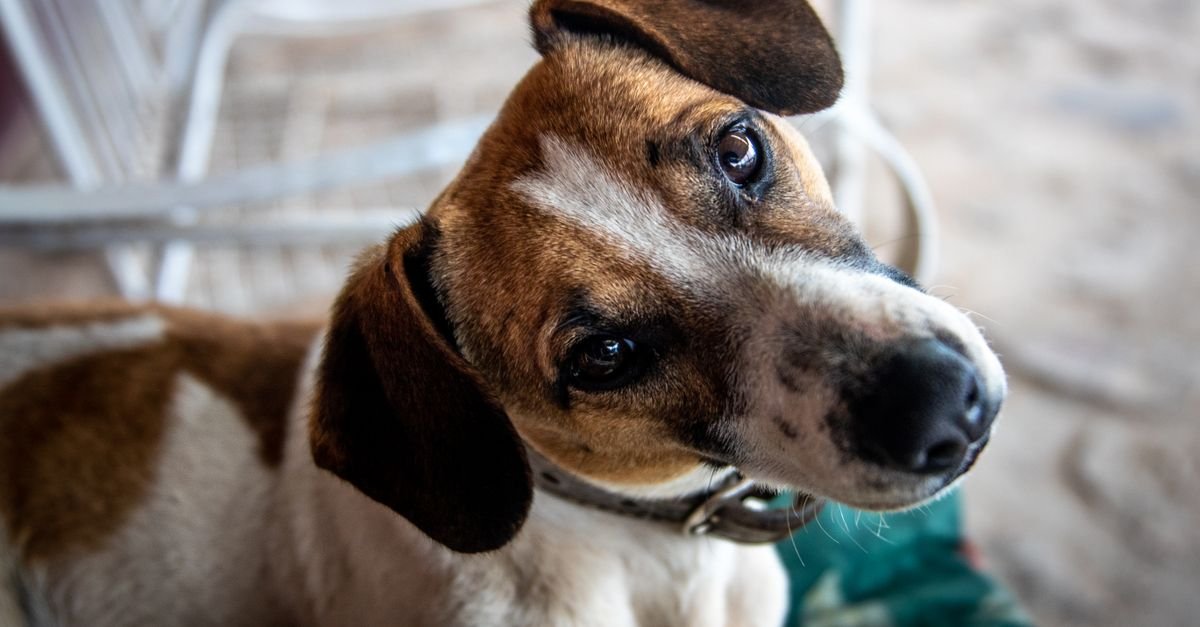
Say the word “walk” — or “treat,” or their name in that particular voice — and your dog’s head swings to the side like a furry question mark.
It might be the single most beloved thing dogs do. But is it curiosity? Better hearing? A calculated bid for your affection? Science actually has answers — and one important caution.
Quick answer: Dogs tilt their heads mainly to hear and see you better — repositioning their ear flaps to pinpoint sounds and shifting their muzzle out of their line of sight to read your face. Research also links head tilting to processing meaningful words: dogs tilt most at language they recognize and care about. It’s normal, healthy, and endlessly reinforced by our delighted reactions. The exception: a head that stays tilted without any trigger can signal an ear or balance problem and needs a vet.
Also Read
-
Puppy Teething: The Timeline, the Frozen Tier, and the Ten Thousand Trades

-
How to Socialize a Kitten: The Window, the Food Rule, and the Checklist

-
How to Stop a Cat Scratching Furniture: The Reroute, the Placement Law, and the Specs

-
How to Crate Train a Dog: The Four Stages, the Whining Tree, and the Physiology Table
Key Takeaways
- Head tilts help dogs locate sounds — movable ear flaps work like satellite dishes being aimed.
- Tilting also clears the muzzle from their view so they can read your expressions better.
- Studies suggest dogs tilt most at words that mean something to them — it’s a concentration face.
- Your reaction rewards the tilt — dogs happily repeat what earns squeals and treats.
- Long-nosed breeds tilt more than flat-faced ones — supporting the vision theory.
- ⚠️ A persistent, un-triggered tilt (with wobbling, circling, or eye flicking) is a medical sign — see a vet promptly.
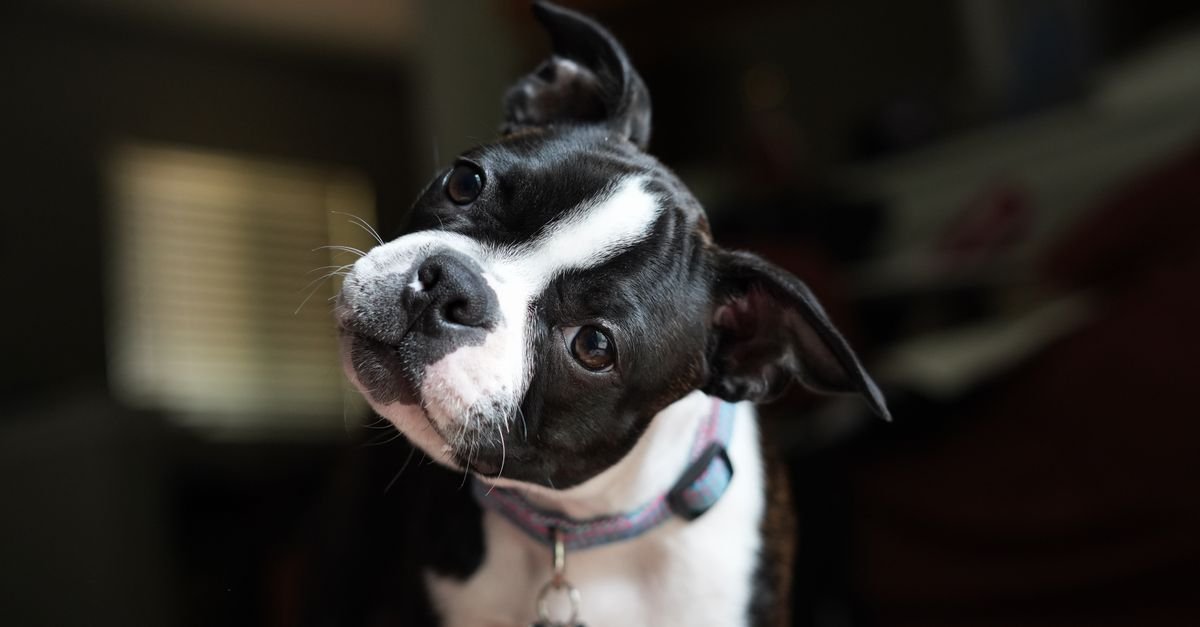
Why Do Dogs Tilt Their Heads at Sounds?
Start with the ears — because a dog’s ears are marvels with one small design quirk.
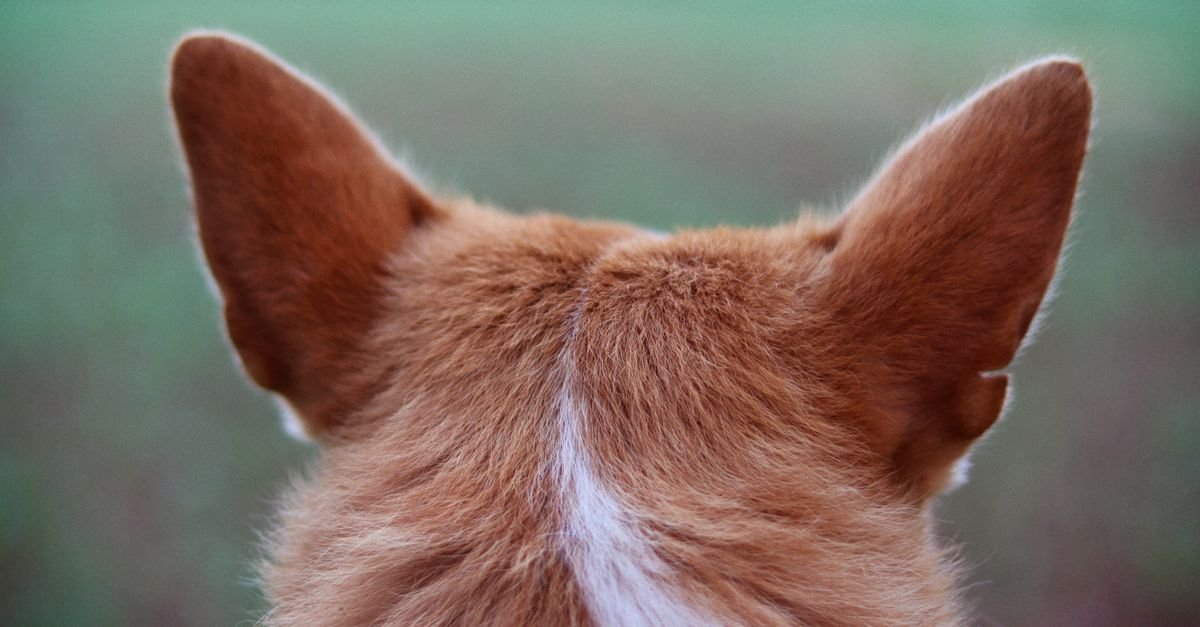
Dogs hear frequencies far beyond ours and can swivel each ear independently thanks to more than a dozen muscles per ear. But those expressive ear flaps (the pinnae) partially cover the ear canal — especially in floppy-eared breeds.
Tilting the head repositions the flaps, letting the dog fine-tune where exactly a sound is coming from — and its distance. Think of it as aiming a satellite dish.
That’s why the strange crinkle of a treat bag, a squeak in the wall, or your voice doing something new produces the deepest, most theatrical tilts: your dog is triangulating.
Do Dogs Tilt Their Heads to See You Better?
Here’s the theory that changed how people think about the tilt — and you can test it on yourself right now.
Make a fist and hold it in front of your nose. Now try to look at someone’s whole face. That fist is roughly what a dog’s own muzzle does to its view of your lower face — and your mouth is one of the most expressive parts you own.
Tilting the head lets a dog peek around its own nose to read your full expression.
The supporting evidence is charming: in surveys, owners of long-muzzled dogs report far more head tilting than owners of flat-faced breeds like pugs, who can already see faces with less obstruction. The bigger the nose in the way, the bigger the tilt.
Since dogs are exceptional readers of human expressions — they study our faces constantly, as anyone who’s felt the stare knows — a better view of your face is genuinely valuable to them.
Does Head Tilting Mean Your Dog Is Concentrating?
Quite possibly — and this is where recent research gets delightful.
Researchers studying “gifted” dogs who knew the names of many toys noticed something: the dogs tilted their heads far more often when hearing meaningful words — like a known toy’s name — than random speech. The tilt clustered around moments of recognition and processing.
In other words, the head tilt may be part of a dog’s paying-deep-attention posture — the canine equivalent of leaning in when something suddenly matters.
So when your dog tilts at “walk,” it’s not just locating the sound. It knows that word, and the tilt is what processing looks like from the outside.
Veterinary behavior resources like PetMD and the American Kennel Club describe the same cluster of explanations: sound location, face reading, and engaged attention.
Are You Training Your Dog to Tilt? (Yes.)
Be honest about what happens when your dog tilts its head: you gasp, your voice jumps an octave, treats may materialize, phones come out.
Dogs are professional students of consequence. A behavior that reliably produces delighted humans gets repeated — and polished.
So most adult dogs run a hybrid: the tilt begins as genuine hearing-and-seeing behavior, then gets amplified because it pays magnificently. Some dogs learn to deploy it strategically — the head tilts, the eyes go soft, and somehow your sandwich is now shared.
There’s no harm in this feedback loop — unlike rewarding tail chasing, reinforcing a head tilt has zero downside. Enjoy the racket; you’re both in on it.
Why Does My Dog Tilt Its Head at the TV or Weird Noises?
Novelty is tilt fuel. Sounds a dog can’t immediately classify — a synth in a song, a doorbell on TV, your new phone notification, another dog howling through a speaker — trigger the full triangulation routine.
The dog is running its identification pipeline: What is it? Where is it? Does it matter to me? The tilt buys better data for all three questions.
TV dogs are especially fun: modern screens show images dogs can genuinely perceive, but the sound comes from a speaker beside the picture — a sensory mismatch that earns some of the deepest tilts in the business.
High-pitched sounds get extra attention too, likely because they overlap with prey-frequency and puppy-distress ranges — deeply interesting categories in dog brain wiring.
Which Breeds Tilt Their Heads the Most?
Any dog can tilt, but a few patterns show up consistently:
Long-muzzled breeds — greyhounds, collies, shepherds — tilt more, supporting the seeing-around-the-nose theory.
Floppy-eared breeds — spaniels, beagles, retrievers — tilt generously, since their ear flaps block more sound and need more aiming.
The highly people-focused breeds — the velcro shepherds and eager-to-please retrievers — tilt often simply because they hang on your every word, and tilting is what deep listening looks like. (These are the same dogs starring in why does my dog follow me everywhere.)
Puppies tilt more than adults across the board — every sound is new data when you’re four months old.
⚠️ When Is a Head Tilt a Medical Problem?
Here’s the crucial distinction every owner should know — it takes one sentence:
A tilt that responds to something is communication; a tilt that stays is a symptom.
See the vet promptly if you notice:
- The head remains tilted to one side with no sound or trigger, or won’t straighten.
- Loss of balance: stumbling, leaning, walking in circles, falling to one side.
- Eyes flicking rhythmically side to side or in circles (nystagmus).
- Ear signals: scratching, head shaking, odor, discharge, or pain when touched — ear infections are the most common culprit behind a held tilt.
- Sudden onset in a senior dog, with disorientation or vomiting — possible vestibular (balance-system) disease, which often looks terrifying but is frequently treatable.
Resources like VCA Animal Hospitals flag the same red line. Most causes — from ear infections to old-dog vestibular episodes — respond well to prompt treatment, so speed beats worry.
And the standing reminder: this guide is education, not diagnosis — your veterinarian owns the medical calls. If shaking or trembling accompanies the tilt, our guide on why dogs shake covers that separate signal.
Can You Encourage the Head Tilt? (Ethically, of Course)
For science — and photos — yes. The honest playbook:
Use novel sounds. A squeak app, a kazoo note, a whistled tune your dog hasn’t catalogued. Novelty triggers triangulation.
Use their vocabulary. The known words — walk, treat, ball, their name — in a bright, rising tone. Meaningful language is the strongest documented trigger.
Reward it. Mark the tilt with praise or a treat and it strengthens like any behavior. Some trainers even put it on cue for trick titles.
Keep sessions kind. A dozen mystery noises in a row stops being fun and starts being confusing. Two or three tilts, jackpot, done.
Reward the listening — reader favorites on Amazon:
Head Tilt vs. Other Head Signals: A Quick Decoder
Dogs say a lot from the neck up. Nearby signals worth telling apart:
The tilt — curiosity, attention, sound-locating. Bright eyes, relaxed body.
The turn-away — deliberately looking aside, sometimes with a lip-lick or yawn: a calming signal that says “I’m no threat / this is a lot.” Space, not sound, is the request.
The whale eye — head slightly turned but eyes locked on, showing white crescents: discomfort or guarding. Give room.
The play bow head-drop — front end down, rear up, head low and loose: an invitation, often the opening move before the zoomies.
Reading the whole dog — ears, eyes, mouth, tail, weight — turns each of these from cute mystery into clear conversation.
How Good Is Dog Hearing, Really? (The Numbers Behind the Tilt)
Some context makes the tilt even more impressive.
Dogs hear frequencies up to roughly 45–65 kHz depending on breed and age — far beyond the human ceiling of about 20 kHz. That dog whistle that seems silent to you? Loud and clear to them.
They also detect much quieter sounds than we can and, with two independently steerable ears, compare tiny differences in when and how loudly a sound arrives at each ear — the raw data for pinpointing direction.
The tilt is the final adjustment on top of all that hardware: a small head movement that changes the angle of both ear flaps at once, sharpening the fix on tricky sounds — especially ones coming from directly ahead, where left-right ear differences are smallest.
So when your dog tilts at your voice, you’re watching a world-class hearing system make its last fine-tuning move — for you.
Can You Teach “Head Tilt” as a Trick?
Absolutely — it’s a favorite in trick-training circles because the raw behavior already happens naturally.
The capture method: keep a few treats ready during normal life. The instant a natural tilt happens, mark it (“yes!” or a clicker) and reward. After a dozen captures, most dogs start offering tilts deliberately.
Then add the cue: say your chosen word (“really?” is a crowd-pleaser) just before the tilt happens, mark, reward. Soon the word alone produces the tilt — and your dog has a party trick that never fails to destroy an audience.
Keep sessions short and silly. This is one trick where the dog’s enjoyment is half the performance.
Frequently Asked Questions
Why do dogs tilt their heads when you talk to them?
To hear and see you better — the tilt repositions their ear flaps to pinpoint your voice and shifts their muzzle out of their sight line so they can read your expression. Research also links tilting to processing familiar, meaningful words, so it’s partly your dog’s concentration face.
Do dogs tilt their heads on purpose?
The behavior starts as instinctive sound-locating and face-reading, but dogs quickly learn it delights humans and earns rewards — so many deploy it deliberately. It’s both genuine and, in seasoned dogs, a little bit showbiz.
Why does my dog tilt its head at certain words?
Studies of dogs who know many object names found they tilt most at words they recognize and care about — the tilt clusters around moments of recognition. Your dog likely tilts at “walk” because “walk” means something wonderful.
Why does my dog tilt its head at the TV?
Novel and mismatched sounds are prime tilt triggers — and TV delivers images from one place with sound from a speaker beside it, a puzzle worth triangulating. Unclassifiable noises get the deepest tilts.
When should I worry about my dog’s head tilt?
When the tilt persists without any trigger or won’t straighten — especially with stumbling, circling, rhythmic eye flicking, or signs of ear pain. Those point to ear infections or balance-system problems and warrant a prompt vet visit. A responsive, momentary tilt at sounds is normal.
Why do puppies tilt their heads more than adult dogs?
Everything is new data to a puppy — more unclassified sounds means more triangulating. Add developing hearing, big ear flaps to aim, and the early discovery that tilting makes humans melt, and puppyhood is peak tilt season.
Do some dog breeds tilt their heads more than others?
Yes — longer-muzzled dogs tilt more (more nose to see around) and floppy-eared breeds tilt generously (more ear flap to aim). Highly people-oriented breeds tilt often simply because they listen to us so intently.
The bottom line
The head tilt is your dog working hard at understanding you — aiming its ears, clearing its sight line, and processing the words it loves — wrapped in a package so charming we reward it into an art form. Enjoy every tilt, keep the mystery sounds coming, and remember the single rule: a tilt that responds is conversation; a tilt that stays is a vet visit.

Hello! I'm Khan Hisham, a dedicated student with a profound passion for enhancing the lives of pets through comprehensive care. At Pawspera, our mission—"Prospering Pets, Every Day"—drives everything we do. We are committed to providing the latest insights, tips, and products that ensure your pet's health and happiness. Join us at Pawspera as we explore innovative ways to care for our furry friends with love and dedication.