
Most dogs eat grass for completely normal reasons — instinct, taste, boredom, or to add a little fiber — and it’s rarely a sign that something is wrong. Occasionally it points to an upset stomach or a diet gap, and now and then it’s worth a vet visit. This guide explains why dogs eat grass, whether it’s safe, and when to worry.
Key Takeaways
- It’s usually normal. Grass-eating is a common, natural dog behavior.
- Common reasons: instinct, taste, boredom, fiber and curiosity.
- The “they do it to vomit” idea is mostly a myth — most dogs don’t vomit afterward.
- Watch the grass itself: pesticides, chemicals and toxic plants are the real risks.
- See your vet if it’s sudden, obsessive, or comes with vomiting, diarrhea or other symptoms.
Is it normal for dogs to eat grass?
Yes — eating grass is one of the most common behaviors in dogs. Surveys of dog owners consistently find that most dogs nibble grass at least sometimes.
It’s so widespread that vets generally consider it normal canine behavior rather than a problem. Wild relatives of dogs eat plant matter too.
Also Read
-
How to Introduce a Kitten to Your Cat: Scent Diplomacy, the Barrier Ladder, and Cat Time

-
How Much Exercise Does a Dog Need? The Four Dials, the Sniff Economy, and the Settle Test

-
The Complete Pet Care Routine: Daily, Weekly, Monthly, and Yearly — The Four Loops

-
How to Litter Train a Kitten: A Step-by-Step Guide (2026)

So if your dog grazes now and then and feels fine otherwise, there’s usually no cause for alarm.
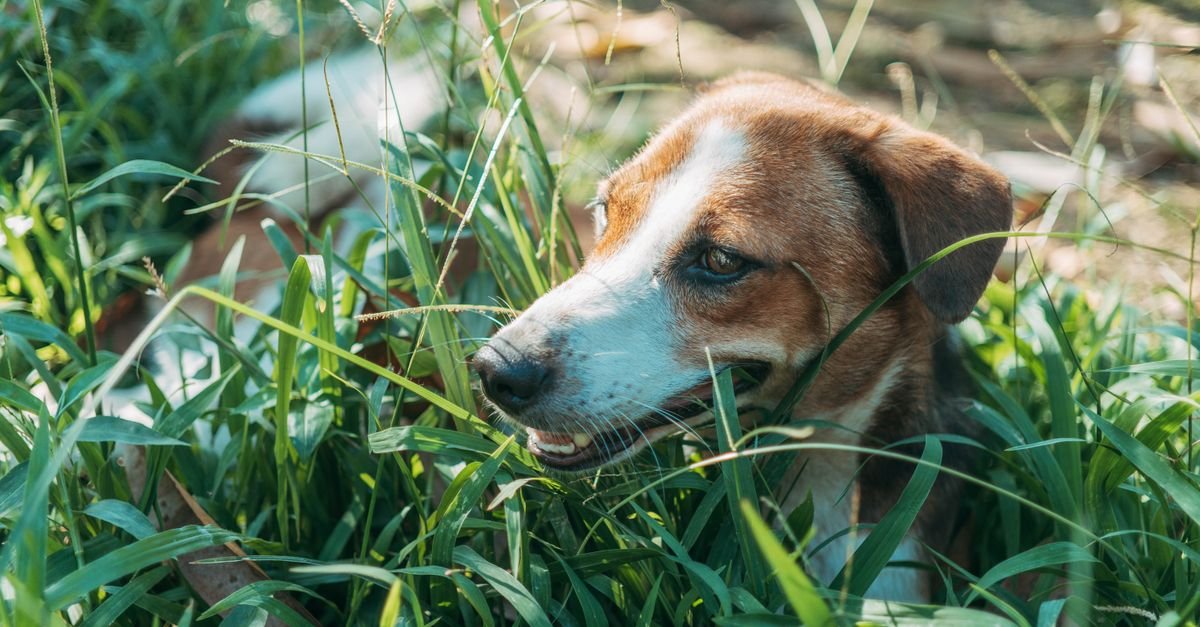
Why do dogs eat grass? The main reasons
There isn’t one single answer — it’s usually a mix of these:
- Instinct. Dogs’ ancestors ate whole prey, including plant matter, so grazing is partly hardwired.
- They like it. Many dogs simply enjoy the taste and texture, especially fresh spring grass.
- Boredom. An under-stimulated dog may graze just to have something to do.
- Fiber and digestion. Grass adds roughage that can help things move along.
- Curiosity. Puppies in particular explore the world with their mouths.
- Upset stomach. Occasionally a dog eats grass when its tummy feels off.
For most dogs, it’s simply instinct plus enjoyment — not a sign of a deficiency or illness.
Do dogs eat grass to make themselves sick?
This is the most common myth, and it’s largely untrue.
Studies and vet observations show most dogs do not vomit after eating grass — only a small minority do. If a dog is going to be sick, the grass is usually a consequence, not the cause.
In other words, most dogs eat grass simply because they want to, not as a deliberate way to throw up.
Is eating grass bad for dogs?
The grass itself is generally harmless if your dog swallows a bit.
The real risks come from what’s on or near the grass: lawn pesticides, herbicides and fertilizers, plus parasites and the odd toxic plant mixed in.
So the behavior is usually fine — it’s the safety of the specific grass that matters most.
Could it be a diet issue?
Sometimes grazing hints that a dog wants more fiber in its diet.
If your dog eats grass a lot and also has soft stools or digestive niggles, it’s worth reviewing its food. A diet with the right fiber and easy digestibility can reduce the urge.
Our guide to the best food for dogs with sensitive stomachs and probiotics for dogs can help support healthy digestion.
Could it be boredom or anxiety?
A bored dog will often invent its own entertainment — and grazing is an easy option.
If your dog eats grass mostly when left alone or under-exercised, more activity and enrichment usually helps. Walks, play, training games and puzzle feeders all give the mind something better to do.
A slow feeder or puzzle toy at mealtime is a simple start — see our picks for the best slow feeder dog bowls.
How to stop your dog from eating grass
If you’d like to cut down the habit, a gentle approach works best.
- Redirect. Call your dog away and reward attention with a treat or toy.
- Add enrichment. More exercise and mental stimulation reduce boredom grazing.
- Review the diet. Make sure the food is complete and has enough fiber.
- Offer safe greens. Some owners grow pet grass so the dog has a chemical-free option.
- Keep walks engaging. Sniffing and exploring satisfy the same urges.
You don’t usually need to stop it entirely — just manage it so it stays occasional and safe.
Is the grass safe? Pesticides and lawn chemicals
This is the part worth real attention.
Lawn treatments, weed killers and fertilizers can be toxic to dogs, and public parks or roadsides may be sprayed without warning. Grass can also carry parasites from other animals.
Stick to areas you know are untreated, keep your dog off recently sprayed lawns, and consider growing a small patch of dog-safe pet grass at home as a clean alternative.
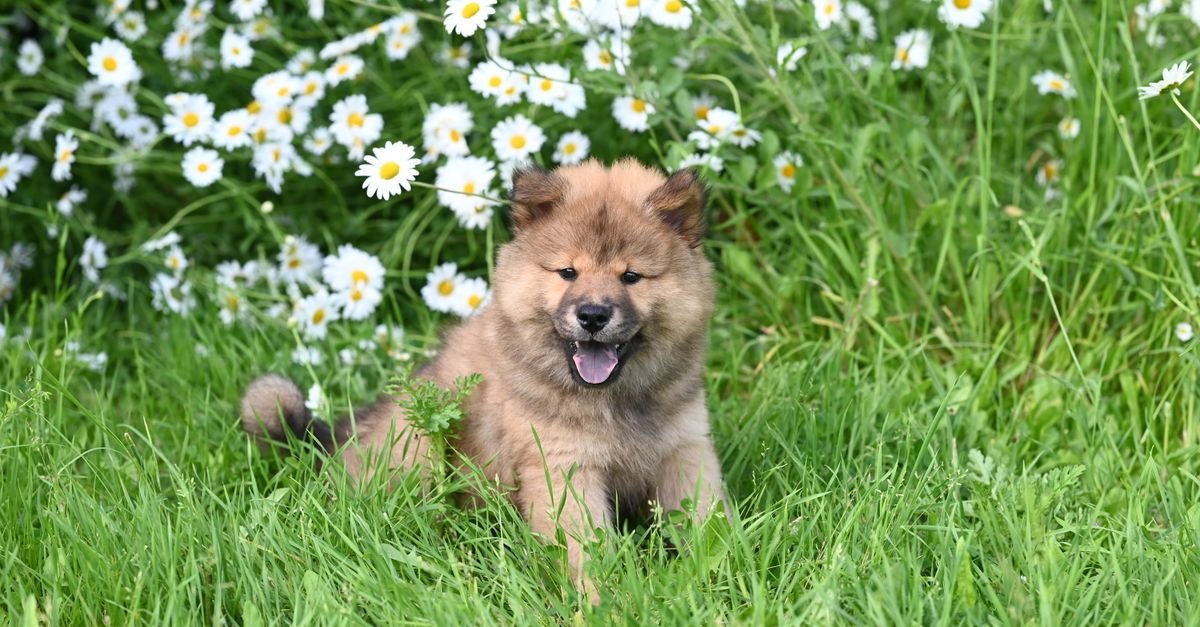
What about puppies eating grass?
Puppies explore everything with their mouths, so grass is a natural target.
It’s usually harmless curiosity, but puppies are more likely to swallow something they shouldn’t, from toxic plants to litter hidden in the grass. Supervise closely and gently redirect.
As your puppy matures and gets plenty of stimulation, casual grazing often settles down on its own.
Do all dogs eat grass?
Grass-eating isn’t limited to one type of dog — it shows up across breeds, ages and sizes. Studies of pet owners find it’s one of the most commonly reported dog behaviors of all.
Young dogs and puppies tend to do it a bit more, likely out of curiosity and energy. But plenty of calm adult dogs graze happily too.
So if your dog eats grass, it’s in very good company — it’s normal, not unusual.
Is grass-eating a sign of a nutrient deficiency?
This is a common worry, but it’s usually not the case for well-fed dogs. A complete, balanced dog food provides the nutrients your dog needs, and grass isn’t making up for a gap most of the time.
What grass does add is a little fiber, which some dogs seem to seek out. If you feed a quality diet and your dog is healthy, deficiency is an unlikely explanation.
If you’re ever unsure whether your dog’s food is meeting its needs, your vet can advise on the right diet.
What do vets say about dogs eating grass?
Most veterinarians agree that occasional grass-eating is normal and not harmful in itself. They generally see it as natural behavior rather than a medical problem.
The vet consensus is to focus less on the grazing and more on two things: keeping the grass free of chemicals and toxic plants, and watching for any other symptoms.
In short, vets say don’t panic about the habit — but do pay attention to the context around it.
Grass-eating vs pica: what’s the difference?
Normal grazing is different from pica, which is the compulsive eating of non-food items like rocks, plastic or dirt.
Casual, occasional grass-nibbling is harmless. Obsessive eating of grass or other non-food objects — especially if it’s frantic or constant — can signal a behavioral or health issue worth investigating.
If your dog seems driven to eat everything in sight, mention it to your vet rather than treating it as ordinary grazing.
Do cats eat grass too?
Yes — cats graze on grass for many of the same reasons, and it’s equally normal for them. Many cat owners even grow “cat grass” indoors for safe nibbling.
As with dogs, the main concern is keeping cats away from chemically treated plants and anything toxic. If you have both pets, the same safety rules apply.
A little grass is simply a natural part of life for both dogs and cats.
Safe alternatives to lawn grass
If you’d rather your dog didn’t graze on the lawn, offer safer options.
Growing a small tray of dog-safe pet grass gives a clean, chemical-free choice. Some dogs also enjoy dog-safe veggies like plain carrot or green beans as a crunchy, fiber-rich snack.
These give the same satisfaction without the risks of treated or unknown grass.
When should you worry?
Grass-eating becomes worth a closer look when it changes suddenly or comes with other signs.
Call your vet if you notice a sudden, intense increase in grass-eating, repeated vomiting or diarrhea, loss of appetite, lethargy, or signs of pain. These can point to an underlying issue rather than simple grazing — see our guide to the most common signs of illness in pets.
This article is general information, not veterinary advice. If you’re worried about your dog, always consult your vet.
When grass-eating could be an emergency
Rarely, the problem isn’t the grass but what’s growing in it.
Some garden and wild plants are toxic to dogs. If your dog eats an unknown plant and shows vomiting, drooling, tremors, weakness or collapse, treat it as an emergency and contact your vet or an animal poison line immediately.
When in doubt about a plant, keep your dog away from it and take a photo to show your vet.
Frequently Asked Questions
Why does my dog eat grass all of a sudden?
A sudden increase can be down to boredom, a diet change, seasonal fresh grass, or occasionally an upset stomach. If it’s intense or comes with vomiting, diarrhea or other symptoms, check with your vet, as a sudden change in behavior can signal an underlying issue.
Should I stop my dog from eating grass?
Not necessarily — occasional grazing on safe, untreated grass is usually harmless. Focus on preventing access to pesticide-treated lawns and toxic plants, and redirect the habit if it becomes excessive or obsessive.
Do dogs eat grass when they feel sick?
Sometimes, but most dogs that eat grass do not vomit afterward, so it’s usually not a deliberate way to be sick. If your dog frequently eats grass and then vomits, mention it to your vet.
Is it bad if my dog eats grass every day?
Daily grazing can be normal for some dogs, especially if they enjoy it and feel well. Just make sure the grass is free of chemicals and toxic plants, and review the diet and boredom levels if it seems excessive.
Can eating grass hurt my dog?
The grass itself rarely harms a dog, but pesticides, fertilizers, parasites and toxic plants can. Stick to untreated areas, supervise your dog, and contact your vet if your dog seems unwell after eating grass or an unknown plant.
Do dogs eat grass when they have worms?
Not specifically — grass-eating is not a reliable sign of worms. Intestinal parasites usually show up as symptoms like weight loss, a dull coat, diarrhea or visible worms. If you suspect worms, ask your vet about testing and deworming rather than reading into grass-eating.
Is it OK for dogs to eat grass then throw up?
An occasional grass-then-vomit episode isn’t usually an emergency, but it shouldn’t happen often. Frequent vomiting after eating grass can point to a digestive issue, so if it’s regular, have your vet check your dog.
The bottom line
Eating grass is a normal, common dog behavior — usually driven by instinct, taste, boredom or a little fiber, not illness.
Let occasional grazing on safe grass go, keep your dog away from chemicals and toxic plants, and support good digestion with the right diet.
And if the habit changes suddenly or comes with other symptoms, check in with your vet. For more, see our guide to human foods dogs can and can’t eat.

Hello! I'm Khan Hisham, a dedicated student with a profound passion for enhancing the lives of pets through comprehensive care. At Pawspera, our mission—"Prospering Pets, Every Day"—drives everything we do. We are committed to providing the latest insights, tips, and products that ensure your pet's health and happiness. Join us at Pawspera as we explore innovative ways to care for our furry friends with love and dedication.