
To stop your dog from barking excessively, identify why they’re barking, avoid accidentally rewarding it, remove or manage triggers, and teach a calm “quiet” command — all paired with plenty of exercise and mental stimulation. Barking is normal communication, so the goal isn’t silence but reducing nuisance barking. With patience and consistency, most dogs can learn to bark less.
A barking dog can be stressful — for you, your neighbors, and sometimes the dog. But barking always happens for a reason, and punishing it rarely works. The key is understanding the cause and responding the right way. This guide covers why dogs bark and the most effective, humane ways to curb excessive barking for good.
Why Do Dogs Bark?
Dogs bark to communicate, and there are many reasons behind it: alerting you to something (the doorbell, a passerby), seeking attention, boredom, excitement, fear or anxiety, frustration, or responding to other dogs. Some barking is territorial, some is a greeting, and some is simply a bid for your attention. Understanding that barking is normal, purposeful behavior — not your dog being “bad” — is the first step. Once you know why your dog is barking, you can address the underlying cause rather than just the noise.
Also Read
-
How to Introduce a Kitten to Your Cat: Scent Diplomacy, the Barrier Ladder, and Cat Time

-
How Much Exercise Does a Dog Need? The Four Dials, the Sniff Economy, and the Settle Test

-
The Complete Pet Care Routine: Daily, Weekly, Monthly, and Yearly — The Four Loops

-
Why Do Dogs Eat Grass? Reasons, Risks & When to Worry (2026)

Identify the Cause First
Before you can reduce barking, you need to pinpoint what’s triggering it. Pay attention to when, where, and at what your dog barks. Is it at people passing the window? When left alone? For attention? Out of boredom? Each cause calls for a different approach — managing triggers for territorial barking, providing stimulation for boredom, or addressing anxiety for fear-based barking. Take a few days to observe the pattern. This detective work is essential, because the right solution depends entirely on why your dog is barking in the first place.
Don’t Accidentally Reward Barking
One of the most common mistakes is unintentionally rewarding barking. If your dog barks for attention and you respond — even by looking at them, talking, or telling them off — you’ve given them what they wanted. The same goes for letting a barking dog inside or giving treats to quiet them in the moment. Instead, wait for a pause in the barking, then reward the calm, quiet behavior. Teaching your dog that quiet gets attention and rewards, while barking gets nothing, is one of the most powerful tools you have.
Teach the “Quiet” Command
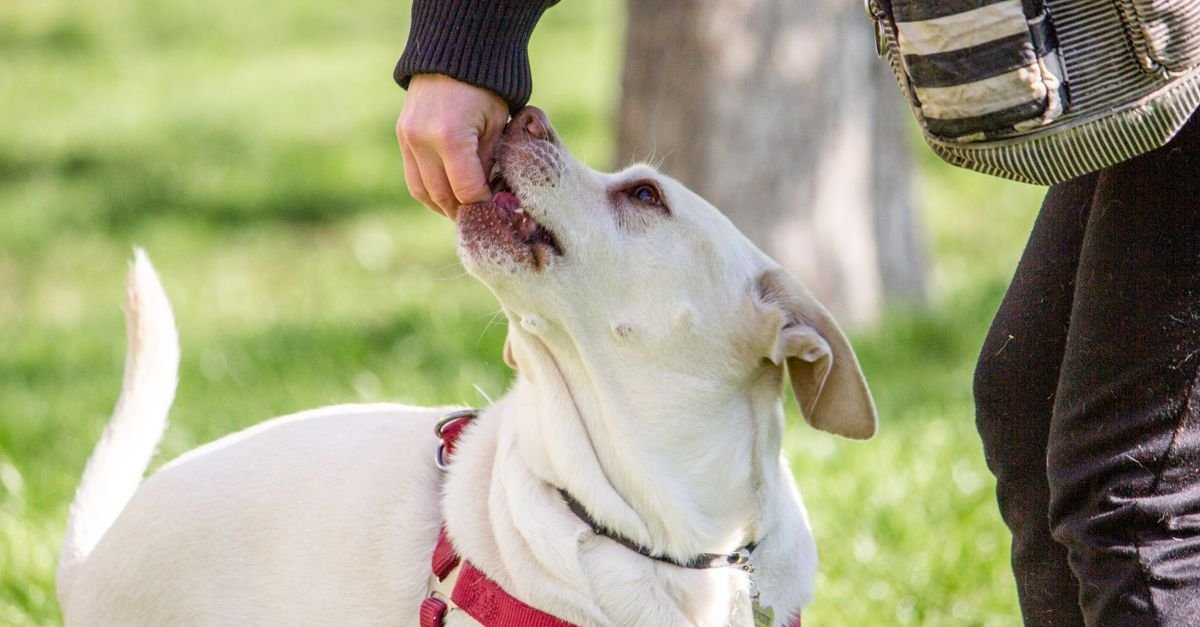
Training a reliable “quiet” cue works wonders. When your dog barks, calmly say “quiet” once, and the moment they stop — even for a second — praise and reward them. Repeat consistently, gradually extending the quiet time before the reward. Some trainers first teach “speak” so the dog learns to bark on cue, making “quiet” easier to teach by contrast. Keep sessions short, positive, and patient. Over time, your dog learns that “quiet” means stop barking, and that staying calm earns praise and treats. Reward-based training is far more effective than punishment.
Remove or Manage Triggers
Often the easiest fix is reducing exposure to whatever sparks the barking. If your dog barks at people passing the window, close the curtains or block their view. If outside noises set them off, play soft background music or white noise. If other dogs on walks trigger barking, create more distance. Managing the environment removes the temptation to bark in the first place, making training much easier. You can’t always eliminate every trigger, but reducing them significantly cuts down on barking while you work on training.
Provide Plenty of Exercise
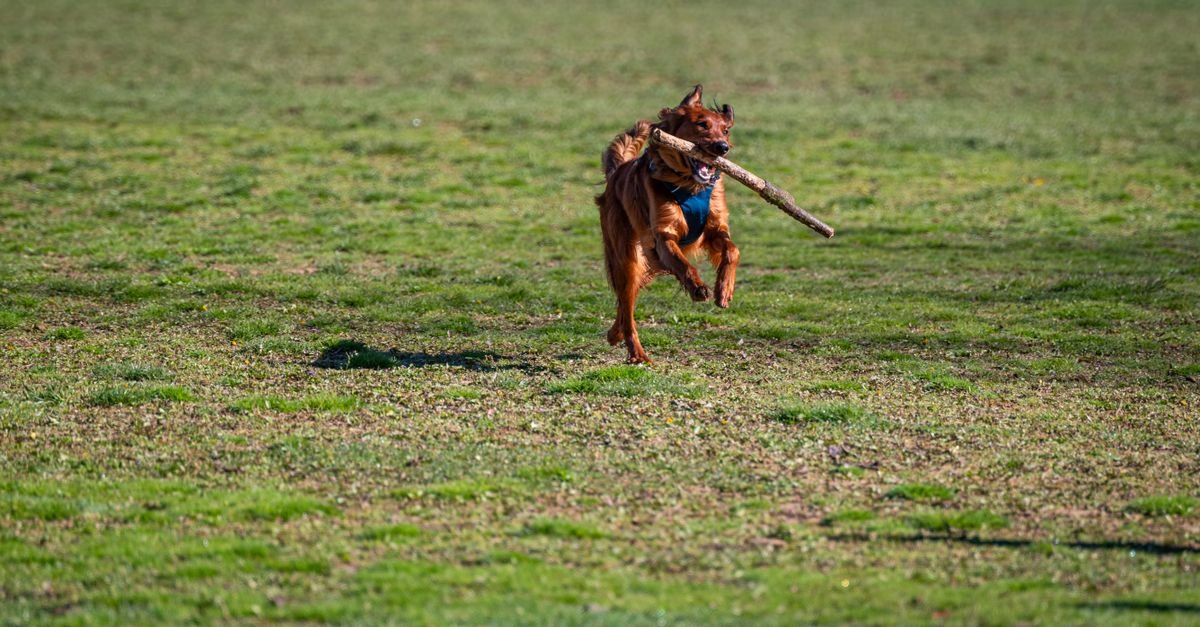
A tired dog is a quiet dog. Many barking problems stem from pent-up energy and boredom, so ensuring your dog gets enough physical exercise makes a huge difference. Daily walks, play sessions, and runs help burn off the energy that might otherwise come out as barking. The right amount depends on your dog’s breed, age, and health, but most dogs need more exercise than they get. A well-exercised dog is calmer, more content, and far less likely to bark out of frustration or boredom.

Add Mental Stimulation
Physical exercise isn’t enough on its own — dogs need mental stimulation too. Boredom is a major cause of nuisance barking, so keep your dog’s mind busy with puzzle toys, training games, chew toys, and enrichment activities. A dog puzzle toy or a stuffed treat-dispensing toy can keep a dog happily occupied for ages. Rotating toys keeps things interesting. A mentally engaged dog is a satisfied dog, and satisfied dogs have far less reason to bark for entertainment or attention.
Desensitize to Triggers
For dogs that bark at specific triggers — the mailman, other dogs, doorbells — gradual desensitization helps. Expose your dog to the trigger at a low, non-threatening level (from a distance, or a quiet recording of the sound) while rewarding calm behavior, then slowly increase the intensity over time. The goal is to change your dog’s emotional response from “alert and bark” to “calm and rewarded.” This takes patience and consistency, but it addresses the root of trigger-based barking rather than just suppressing it, leading to lasting improvement.
Address Separation Anxiety
If your dog barks excessively when left alone, separation anxiety may be the cause. This needs a gentle, dedicated approach: practice short departures and gradually build up alone time, leave engaging toys, keep arrivals and departures low-key, and create a safe, comforting space. Calming aids can help some dogs. Severe separation anxiety often benefits from professional guidance. Punishment never helps an anxious dog — patience and reassurance do. Addressing the underlying anxiety, rather than just the barking, is essential for both your dog’s wellbeing and the quiet you’re after.
Never Yell or Punish
It’s tempting to shout when your dog won’t stop barking, but yelling usually backfires — to your dog, it can seem like you’re joining in, or it adds stress that increases barking. Punishment can also create fear and damage your bond, often making behavior worse. Instead, stay calm and use positive, reward-based methods: ignore unwanted barking, reward quiet, and redirect. Patience and consistency always beat frustration. A calm, kind approach not only stops barking more effectively but also keeps your relationship with your dog strong and trusting.
Be Patient and Consistent
Reducing barking takes time, and consistency is everything. Make sure everyone in the household responds to barking the same way — mixed messages confuse your dog and slow progress. Stick with your chosen approach, reward calm behavior every time, and don’t expect overnight results. Most dogs improve steadily with patient, consistent training over weeks. Celebrate small wins along the way. With a clear plan, the right rewards, and plenty of patience, the vast majority of barking problems can be significantly reduced or resolved.
What About Barking at Night?
Night-time barking is especially frustrating. Common causes include needing a toilet break, hearing outside noises, loneliness, or too much pent-up energy. To help, make sure your dog is well-exercised and has toileted before bed, provide a comfortable, cozy sleeping space, and reduce outside stimulation with curtains or white noise. For a new puppy, some night barking is normal as they settle in, and gentle reassurance helps. If an adult dog suddenly starts barking at night, rule out discomfort or a health issue with your vet, as a change in behavior can sometimes signal a problem.
Barking in the Car
Some dogs bark non-stop in the car, usually from excitement, anxiety, or motion discomfort. Help your dog associate the car with calm, positive experiences: start with short, pleasant trips, use a secure crate or harness so they feel safe, and reward quiet behavior. Block their view of passing triggers if that sets them off, and keep the car cool and comfortable. For anxious dogs, gradual desensitization to the car helps. Patience and positive associations, built up slowly, can turn a stressful, barky car ride into a calm one for both of you.
Tools and Aids That Can Help
Several humane tools can support your training. Puzzle feeders and long-lasting chews keep dogs busy and quiet, calming aids like anxiety wraps or pheromone products may soothe anxious barkers, and white-noise machines mask trigger sounds. A comfortable crate can provide a secure “den” for some dogs. Avoid harsh anti-bark devices like shock or citronella collars, which can cause fear and stress without teaching better behavior. The best “tools” are always paired with positive training and address the cause of the barking, not just the symptom.
Related reading: Best Dog DNA Tests 2026: Top Kits for Breed & Health · Complete Kitten Care Guide: Everything New Owners Need · Complete Puppy Care Guide: Everything New Owners Need
Key Takeaways
- Barking is normal communication — identify the cause before trying to stop it.
- Never reward barking; instead, reward calm, quiet behavior.
- Teach a “quiet” command using positive, reward-based training.
- Manage triggers, and provide plenty of exercise and mental stimulation.
- Never yell or punish — stay calm, patient, and consistent.
Frequently Asked Questions
How do I get my dog to stop barking?
Identify why they’re barking, avoid rewarding it, manage triggers, and teach a “quiet” command with positive reinforcement. Plenty of exercise and mental stimulation also reduce nuisance barking.
Why does my dog bark so much?
Common reasons include boredom, seeking attention, alerting to triggers, excitement, fear, or anxiety. Pinpointing the specific cause is key to choosing the right way to reduce the barking.
Is it bad to yell at my dog for barking?
Yes — yelling often makes barking worse, as your dog may think you’re joining in or become stressed. Calm, positive, reward-based training is far more effective and protects your bond.
How long does it take to stop a dog from barking?
It varies by dog and cause, but with consistent, patient training, most dogs improve steadily over a few weeks. There’s no instant fix, but persistence pays off.
Do anti-barking tools work?
Positive training tools, puzzle toys, and calming aids can help, but avoid harsh devices. The most reliable, humane results come from addressing the cause and using reward-based training.
Should I ignore my dog when it barks?
If your dog barks for attention, yes — ignore the barking and only give attention and rewards when they are calm and quiet. This teaches that quiet behavior, not barking, earns your attention.
If your dog’s barking is sudden, excessive, or linked to possible pain or distress, consult your veterinarian or a professional dog trainer for guidance.

Hello! I'm Khan Hisham, a dedicated student with a profound passion for enhancing the lives of pets through comprehensive care. At Pawspera, our mission—"Prospering Pets, Every Day"—drives everything we do. We are committed to providing the latest insights, tips, and products that ensure your pet's health and happiness. Join us at Pawspera as we explore innovative ways to care for our furry friends with love and dedication.