
Kittens grow incredibly fast, and the food you feed in their first year shapes their health for life. Kittens have very different nutritional needs from adult cats — more protein, more calories, and specific nutrients for healthy development. Feeding the right kitten food (not adult cat food) genuinely matters during this short, critical window. This guide explains what to look for in the best cat food for kittens, how kitten nutrition differs, how feeding changes as they grow, common mistakes, and how to set your kitten up for a healthy start.
Why Kittens Need Special Food
Kittens are growing rapidly — building muscle, bones, organs, a nervous system, and a strong immune system — so they need more protein, fat, calories, and certain nutrients than adult cats. A kitten can multiply its birth weight many times over in just a few months, and all that growth has to be fueled by the right nutrition. Kitten formulas are specifically designed for this. Feeding adult cat food to a kitten can leave gaps in the nutrition they need at exactly the time they need it most. A food labeled “complete and balanced for growth” (or for all life stages) ensures your kitten gets everything required to thrive.

How a Kitten’s Needs Change as They Grow
Kitten feeding isn’t one-size-fits-all across the first year — it shifts in stages:
Also Read




- 0–4 weeks: kittens rely on their mother’s milk (or a vet-recommended kitten milk replacer if orphaned — never cow’s milk). Don’t feed regular food yet.
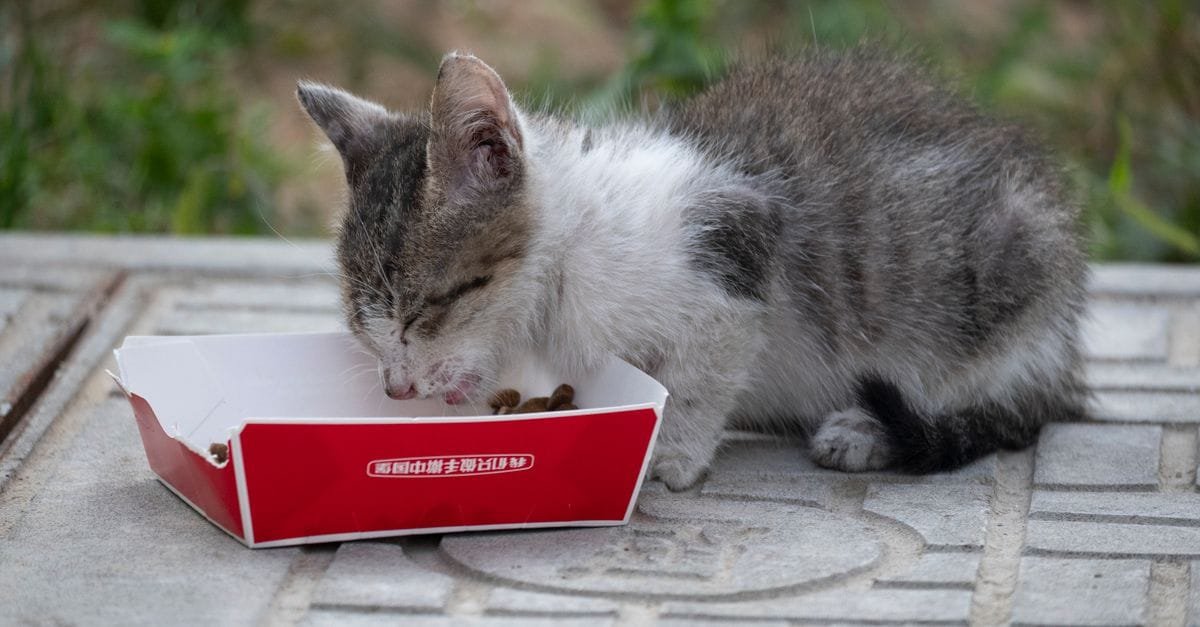
- 4–8 weeks (weaning): kittens gradually transition from milk to solid food — usually wet kitten food or kibble softened with warm water, offered alongside nursing.
- 2–6 months: a period of fast growth and high energy. Kittens eat frequent meals of complete kitten food to fuel rapid development.
- 6–12 months: growth slows but isn’t finished — kittens still benefit from growth nutrition until around their first birthday.
Knowing the stage your kitten is in helps you feed the right food, the right amount, at the right frequency.
What to Look For in Kitten Food
- Named animal protein first — real chicken, turkey, salmon, etc. Cats are obligate carnivores; kittens especially need high-quality animal protein, not vague “meat by-products.”
- “Complete and balanced for growth/kittens” — this statement means it meets established nutritional standards for kittens and can be fed as a full diet.
- DHA — an omega-3 fatty acid that supports healthy brain and eye development.
- Calorie-dense — kittens need far more energy per pound than adults for all that growing.
- Taurine — an essential amino acid for heart and eye health; quality kitten foods include it.
- Quality ingredients — minimal fillers, no artificial colors or unnecessary additives.
How to Read the Label
The label tells you most of what you need. Check that the first ingredient is a named meat, look for the “complete and balanced for growth/all life stages” nutritional-adequacy statement, and scan for DHA and taurine. Be wary of foods that lead with corn, wheat, or unnamed by-products, or that are loaded with artificial additives. A shorter, clearer, meat-forward ingredient list is usually the better choice. Remember that “premium” on the front of the bag means nothing — the ingredient list and nutritional statement are what count.
Kitten food picks on Amazon
Quality nutrition for your growing kitten:
Wet, Dry, or Both for Kittens?
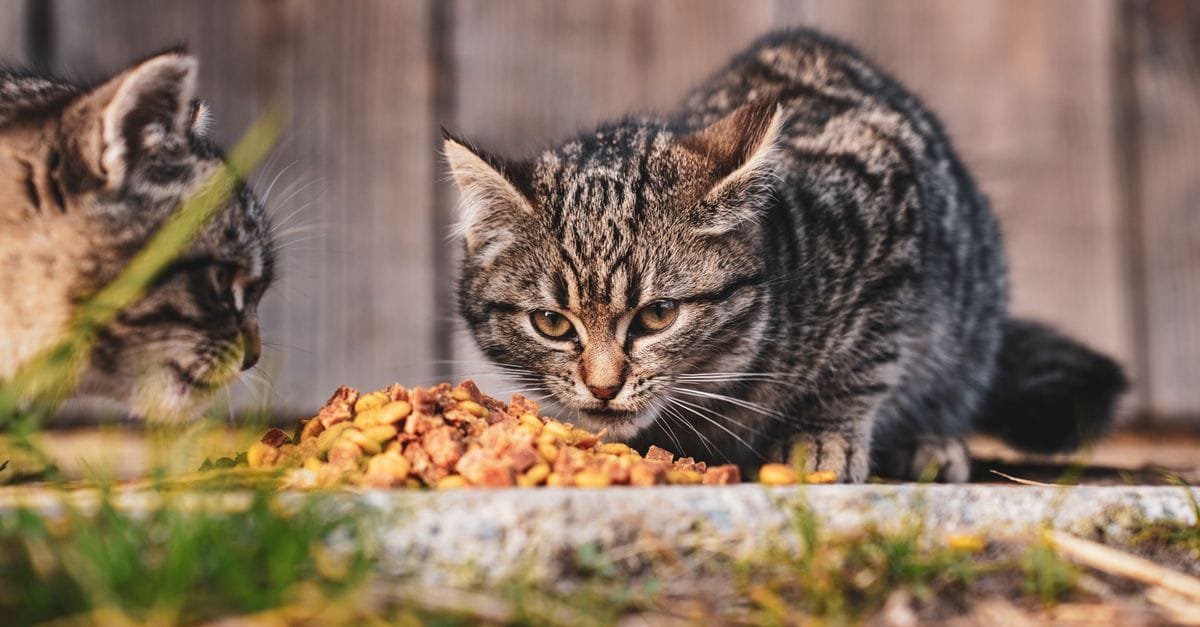
Both have benefits, and many owners feed a mix to get the best of each. Wet kitten food is high in moisture (great for hydration and easy for tiny mouths and teeth) and very palatable, which helps fussy or very young kittens eat enough. Dry kitten food (kibble) is convenient, more affordable, can be left out for grazing, and gives developing teeth something to crunch. A common, sensible approach is to feed wet food meals plus some dry food available between them. For very young kittens just weaning, wet food or softened kibble is easiest to eat. Whatever you choose, the golden rule is the same: it must be a complete kitten formula, and fresh water should always be available.
How Often and How Much to Feed
Kittens have tiny stomachs and high energy needs, so they eat little and often. As a general guide, young kittens need frequent small meals — around 3–4 times a day — gradually reducing toward 2–3 meals as they approach adulthood. Follow the feeding guide on the packaging for your kitten’s age and weight as a starting point, then adjust to keep your kitten at a healthy body condition (growing steadily, not pot-bellied or too thin). Measure portions rather than guessing, and don’t free-feed unlimited amounts. Because every kitten is different, your vet can confirm the ideal amounts and schedule for yours.
Common Kitten Feeding Mistakes to Avoid
- Feeding adult cat food — it lacks the protein and calories kittens need for growth.
- Giving cow’s milk — many cats are lactose intolerant; it can cause diarrhea. Use kitten milk replacer if needed.
- Switching foods abruptly — sudden changes upset delicate kitten tummies.
- Overfeeding treats — treats should be a tiny fraction of the diet; too many unbalance their nutrition.
- Feeding human or toxic foods — onions, garlic, chocolate, and others are dangerous to cats.
- Forgetting fresh water — always available, especially with dry food.
When and How to Switch to Adult Food
Most cats transition from kitten food to adult food at around 12 months of age (later for large breeds like Maine Coons, which mature more slowly — sometimes up to 18–24 months). Make the switch gradually over about a week: mix a little of the new adult food into the kitten food, then slowly increase the adult portion while decreasing the kitten food. This protects your cat’s digestion from upset. Don’t rush it — kittens benefit from growth nutrition for their full first year, and your vet can advise the right timing based on your cat’s breed and development.
A Note on Your Kitten’s Health
Nutrition is critical during this fast-growth stage, so partner with your veterinarian — they can recommend the right food, portions, and schedule, and monitor that your kitten is growing healthily. Watch for any digestive upset, poor appetite, lethargy, or growth concerns and report them promptly, as kittens can go downhill faster than adult cats. Keep vaccinations and deworming up to date, and never feed kittens foods toxic to cats. Good food, fresh water, and regular vet care together give your kitten the best possible start in life.
Encouraging a Reluctant Kitten to Eat
Some kittens are fussy or nervous eaters, especially in a new home. A few gentle tricks help: warm wet food slightly to release its aroma (never hot — just take the chill off), offer smaller meals more often, and feed in a quiet, calm spot away from noise and other pets. Some kittens eat better when you sit nearby or offer a little food from your finger to build trust. Mixing a bit of wet food into dry can boost appeal, and keeping to a consistent routine helps an anxious kitten settle. If your kitten refuses food for more than a day, seems lethargic, or is losing weight, see your vet promptly — kittens can deteriorate quickly and shouldn’t go long without eating.
Treats for Kittens — in Moderation
Treats are great for bonding and gentle training, but they should make up only a small part of your kitten’s diet — a common guideline is no more than around 10% of daily calories, with the rest from complete kitten food. Choose treats made specifically for kittens or cats, keep portions tiny (their stomachs are small), and avoid human foods, which can be unbalanced or even toxic. Used sparingly, treats are a lovely way to reward good behavior and strengthen your bond — just don’t let them crowd out the balanced nutrition your growing kitten really needs.
Frequently Asked Questions
What is the best food for a kitten?
A “complete and balanced for growth/kitten” formula with a named animal protein first, plus DHA and taurine for development. Both wet and dry kitten foods work — many owners feed a mix. Match it to your kitten’s age and follow your vet’s guidance.
Can kittens eat adult cat food?
It’s not recommended — kittens need more protein, calories, and specific nutrients for growth than adult food provides. Feed a kitten or all-life-stages formula until around 12 months, then transition gradually to adult food.
How often should I feed my kitten?
Young kittens need small, frequent meals (around 3–4 times a day), reducing to 2–3 as they grow. Follow the packaging guide for their age and weight, measure portions, and always provide fresh water. Your vet can confirm the schedule.
Should kittens eat wet or dry food?
Both work, and many owners feed a combination. Wet food adds moisture and is easy for tiny mouths; dry food is convenient and supports teeth. Just ensure it’s a complete kitten formula, and avoid cow’s milk.
Can I give my kitten milk?
Not cow’s milk — many cats are lactose intolerant and it can cause stomach upset. If a very young or orphaned kitten needs milk, use a proper kitten milk replacer recommended by your vet, never cow’s milk.
How do I know if my kitten is eating enough?
A healthy kitten grows steadily, is active and playful, and has a good body condition (not pot-bellied, ribs not visible but easily felt). Follow feeding guides, monitor weight gain, and check with your vet if your kitten seems under- or overweight or off their food.
Key Takeaways
- Kittens need food formulated for growth — higher protein, calories, and nutrients like DHA and taurine.
- Feeding changes by stage, from mother’s milk and weaning through to the full first year on kitten food.
- Choose a “complete and balanced for growth” food with a named protein first and quality ingredients.
- Feed small, frequent measured meals with fresh water; wet, dry, or a mix all work.
- Avoid cow’s milk, abrupt switches, and toxic foods; transition to adult food gradually around 12 months and partner with your vet.
Feeding the right kitten food is one of the most important things you’ll do for your new cat’s lifelong health. Choose a quality growth formula, feed measured frequent meals, avoid the common mistakes, and work with your vet to give your kitten a strong, healthy start. Explore more in our Pet Nutrition & Diet guides.

Hello! I'm Khan Hisham, a dedicated student with a profound passion for enhancing the lives of pets through comprehensive care. At Pawspera, our mission—"Prospering Pets, Every Day"—drives everything we do. We are committed to providing the latest insights, tips, and products that ensure your pet's health and happiness. Join us at Pawspera as we explore innovative ways to care for our furry friends with love and dedication.