Bringing home a new puppy is pure joy — until the puddles start. House training is the first big challenge of puppy parenthood, and how you handle it shapes your dog’s habits for life. The good news? Potty training isn’t complicated. It comes down to a few proven principles applied with consistency and patience. Get those right and most puppies are reliably trained within a few weeks to a few months.
This step-by-step guide covers how to potty train a puppy the right way: establishing a routine, using a crate, rewarding success, handling accidents, and avoiding the mistakes that slow everything down.
Understand How Puppies Work First
Setting realistic expectations makes the whole process easier. Young puppies have tiny bladders and limited control — a rough rule is they can “hold it” for about one hour per month of age, plus a little. A two-month-old simply can’t wait long. Puppies also reliably need to relieve themselves at predictable times: after waking, after eating or drinking, after play, and before bed. Building your training around these realities is the key to success.
Also Read
-
How to Stop a Cat Scratching Furniture: The Reroute, the Placement Law, and the Specs
-
How to Crate Train a Dog: The Four Stages, the Whining Tree, and the Physiology Table
-
Back to School With Pets: The Two-Week Taper, the Alone-Time Rebuild, and the Distress Line
-
The Complete Dog & Cat Training Guide: Positive Reinforcement That Works

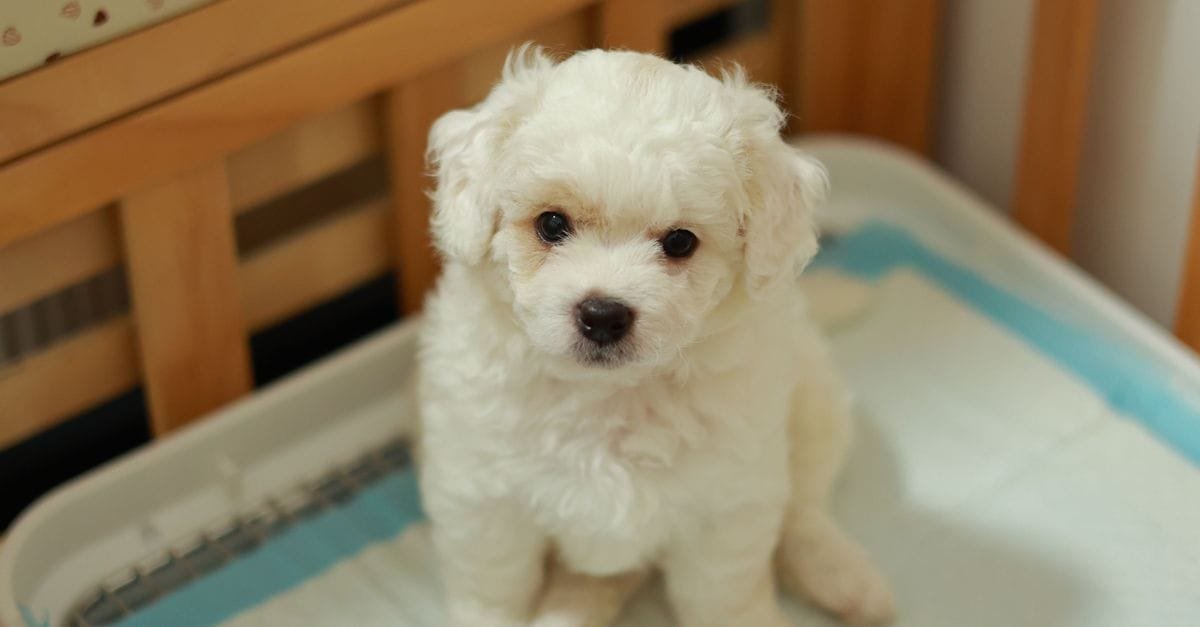
Step 1: Establish a Consistent Routine
Routine is the backbone of potty training. Feed your puppy on a regular schedule, because predictable meals mean predictable bathroom needs. Take your puppy out frequently — first thing in the morning, after every meal, after naps and play, and last thing at night — plus regular trips in between for young pups. Consistency teaches your puppy that outside is where bathroom happens.
Use the Same Spot
Always take your puppy to the same designated outdoor spot. The familiar scent cues them that it’s time to go, speeding up the process. Stay with them rather than just letting them out alone, so you can reward success immediately.
Step 2: Use a Crate the Right Way
A crate is one of the most effective potty-training tools because dogs instinctively avoid soiling where they sleep. A properly sized crate — just big enough to stand, turn around, and lie down, but not so big they can potty in one corner and sleep in another — encourages your puppy to hold it until let out.
Crate Guidelines
Never use the crate as punishment; make it a cozy, safe den with bedding and a toy. Use it for short periods appropriate to your puppy’s age, and take them straight outside the moment you let them out. The crate supports training and keeps your puppy safe when you can’t supervise — but it’s not a place to leave a young puppy for long stretches.
Recommended on Amazon
Potty-training essentials:
As an Amazon Associate, Pawspera earns from qualifying purchases.
Step 3: Reward Every Success
Positive reinforcement is the engine of potty training. The instant your puppy finishes going in the right spot, praise enthusiastically and offer a small treat. Timing is everything — the reward must come immediately so your puppy connects it with the act of going outside. Over time, they’ll learn that going in the right place brings good things, and the behavior sticks. Reward consistently, especially in the early weeks.
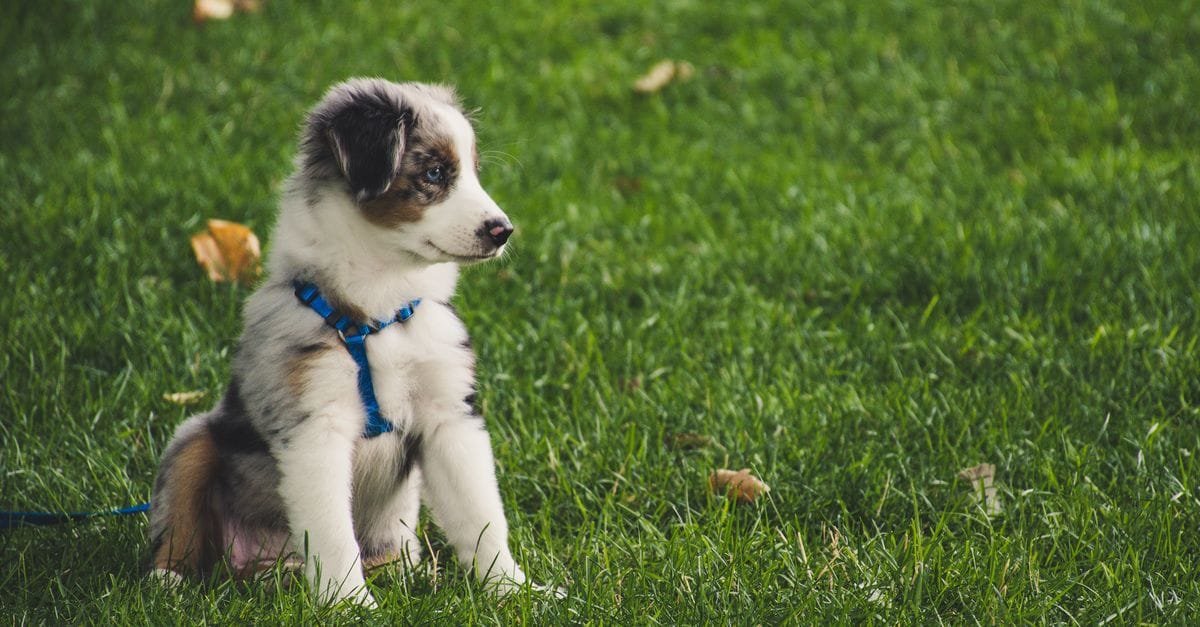
Step 4: Handle Accidents Calmly
Accidents will happen — they’re part of the process, not a failure. How you respond matters enormously.
Never Punish
Do not scold, yell, or rub your puppy’s nose in a mess. Punishment doesn’t teach them where to go; it only teaches them to fear you and to hide when they need to potty, which makes training harder. If you catch your puppy mid-accident, calmly interrupt with a gentle sound and take them outside to finish, then reward.
Clean Thoroughly
Clean accidents with an enzymatic cleaner, not just regular cleaner. Dogs return to spots that smell like urine, and ordinary cleaners leave odors dogs can detect even if you can’t. An enzyme cleaner removes the scent completely, preventing repeat accidents in the same place.
Step 5: Watch for the Signals
Puppies usually signal when they need to go — sniffing the ground, circling, whining, suddenly stopping play, or heading toward the door or a previous accident spot. Learn your puppy’s cues and act fast when you see them. Supervising closely indoors, especially early on, lets you catch these signals and get your puppy outside in time, turning would-be accidents into rewarded successes.
Patience and Consistency Win
Potty training is a marathon, not a sprint. Progress isn’t always linear — there will be good days and setbacks, and stress, changes, or illness can cause regressions. Stay consistent with the routine, keep rewarding success, and don’t get discouraged by accidents. Every puppy learns at its own pace; consistency from you is what gets you both there. Most puppies become reliable with steady effort over weeks to a few months.
Frequently Asked Questions
How long does it take to potty train a puppy?
Most puppies become reliably trained within a few weeks to a few months, depending on age, breed, and consistency. Younger puppies take longer because of limited bladder control.
How often should I take my puppy outside?
Frequently: first thing in the morning, after meals, after naps and play, before bed, and regularly in between. A rough guide is they can hold it about one hour per month of age.
Should I punish my puppy for accidents?
No. Punishment teaches fear and hiding, not where to go. Stay calm, clean with an enzyme cleaner, and focus on rewarding success outside.
Why does my puppy keep going in the same spot?
Lingering odor draws them back. Regular cleaners don’t remove it — use an enzymatic cleaner to eliminate the scent completely and break the cycle.
Key Takeaways
- Set realistic expectations — puppies have small bladders and go at predictable times.
- Build a consistent routine and use the same outdoor spot.
- Use a correctly sized crate (never as punishment) to support training.
- Reward success immediately, and handle accidents calmly — never punish.
- Clean accidents with an enzyme cleaner and stay patient and consistent.
Potty training comes down to routine, supervision, rewards, and patience. Apply these steps consistently and your puppy will get there — setbacks and all. For more, read our Complete Pet Care Guide and explore more Pet Training & Behavior tips.

Hello! I'm Khan Hisham, a dedicated student with a profound passion for enhancing the lives of pets through comprehensive care. At Pawspera, our mission—"Prospering Pets, Every Day"—drives everything we do. We are committed to providing the latest insights, tips, and products that ensure your pet's health and happiness. Join us at Pawspera as we explore innovative ways to care for our furry friends with love and dedication.