
Water is the most important nutrient in your dog’s diet — more essential than food, even — yet it’s the one most owners never think about. How much your dog drinks affects everything from kidney health to energy levels, and both too little and too much can signal a problem. Knowing what’s normal helps you keep your dog healthy and spot trouble early.
This guide explains how much water a dog should drink a day, what affects it, the warning signs of dehydration and over-drinking, and simple ways to keep your dog properly hydrated.
The General Rule for Daily Water Intake
As a general guideline, a healthy dog needs roughly one ounce of water per pound of body weight per day (about 55–60 ml per kilogram). So a 20-pound dog needs around 20 ounces — a little over two cups — daily, while a 60-pound dog needs about 60 ounces. This is a baseline, not a strict rule; your dog’s actual needs shift with several factors.
Also Read

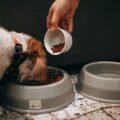


Most dogs self-regulate well when fresh water is always available, drinking what they need. Your job is less about forcing a precise amount and more about making sure clean water is always within reach and watching for changes in their normal pattern.
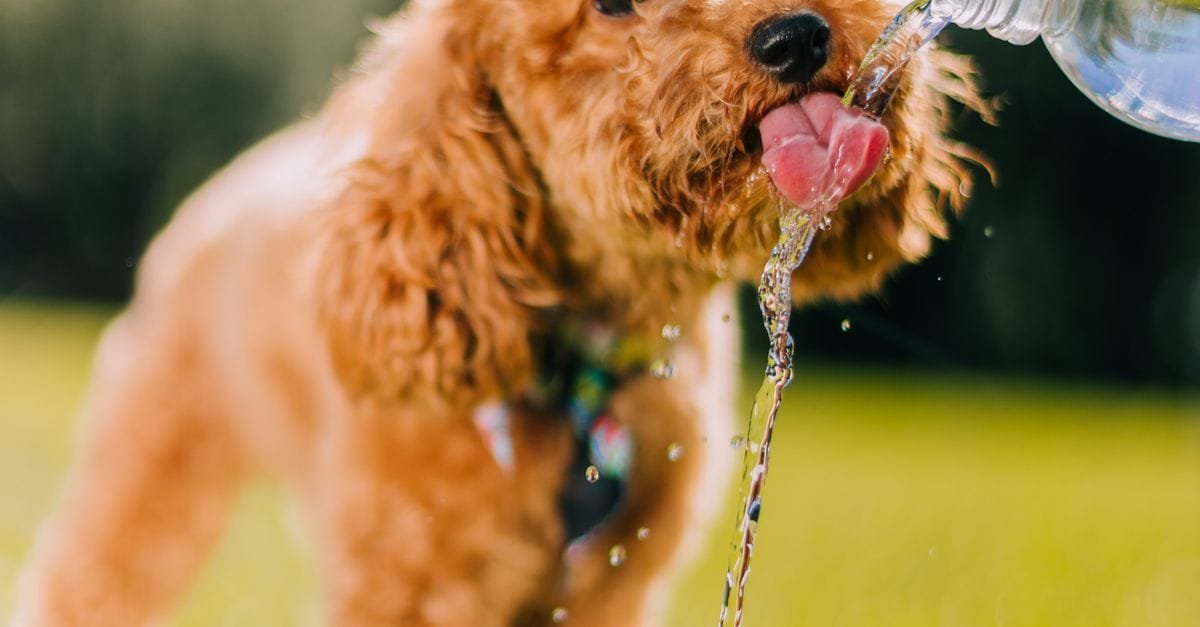
What Affects How Much a Dog Drinks
Daily water needs vary with circumstances, so the “right” amount isn’t fixed.
Activity and Weather
An active dog or one exercising hard needs more water to replace what’s lost through panting and exertion. Hot, humid weather increases needs significantly — dogs cool themselves by panting, which loses moisture. On hot days or after vigorous play, expect (and provide for) more drinking.
Diet
Diet has a big effect. Dogs on dry kibble drink noticeably more water than those on wet or raw food, which already contains a lot of moisture. If you switch foods, your dog’s water intake will naturally change — that’s normal, not a concern.
Size, Age, and Health
Larger dogs drink more in total than small dogs. Puppies need frequent access to water as they grow and play. Nursing mothers drink much more. And certain health conditions or medications can increase thirst. Always factor in your individual dog rather than a one-size number.
Recommended on Amazon
Help your dog stay hydrated:
As an Amazon Associate, Pawspera earns from qualifying purchases.
Signs Your Dog Isn’t Drinking Enough
Dehydration is dangerous, so it helps to recognize the signs. Watch for lethargy, dry or tacky gums, loss of appetite, sunken eyes, and reduced skin elasticity (gently lift the skin between the shoulders — on a hydrated dog it springs back quickly; on a dehydrated one it’s slow to return). Panting heavily without recovering is another flag. If your dog shows these signs, encourage water and contact your vet, as dehydration can worsen quickly — especially in heat.
When Drinking Too Much Is a Warning
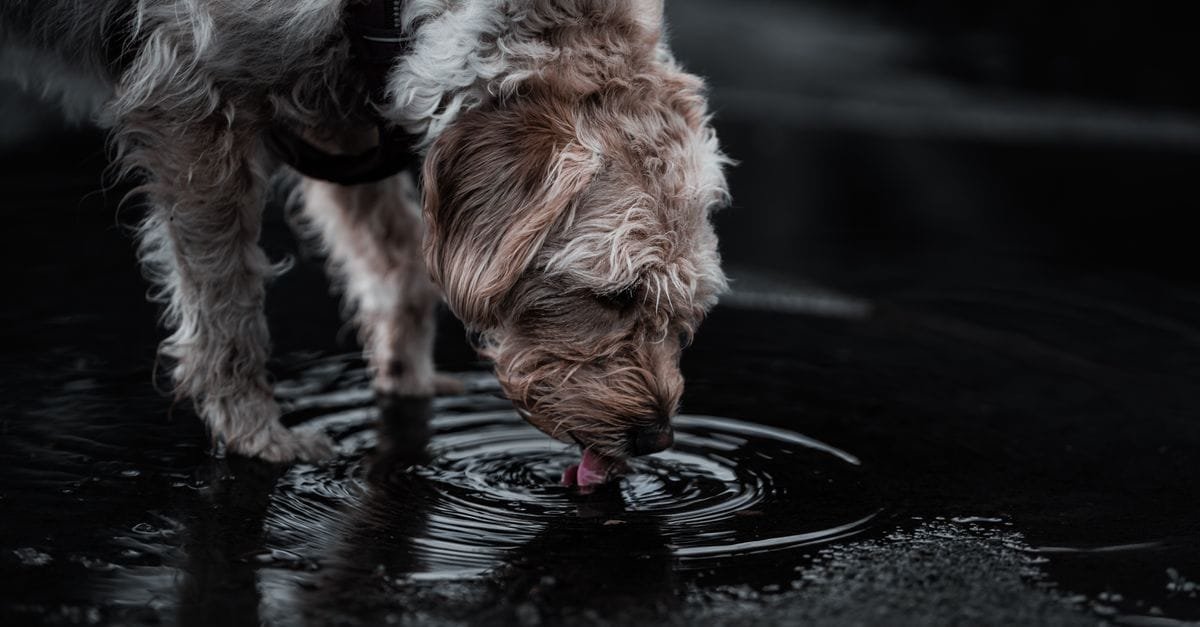
Excessive thirst can be just as important to notice. A sudden, sustained increase in drinking — well beyond what activity or heat would explain — can be an early sign of a health issue and is worth a vet check. If your dog suddenly empties the bowl constantly and urinates much more than usual, don’t ignore it. Knowing your dog’s normal intake is exactly what lets you spot an abnormal change.
How to Encourage Healthy Hydration
Some dogs need a little encouragement to drink enough. A few simple steps help.
Keep Water Fresh and Accessible
Provide clean, fresh water at all times and refresh it daily — dogs avoid stale or dirty water. Wash the bowl regularly. In larger homes, place multiple water stations so water is always nearby. Make sure water is available wherever your dog spends time.
Try a Pet Fountain
Many dogs are drawn to moving water and drink more from a pet fountain than a still bowl. If your dog is a reluctant drinker, a fountain can meaningfully increase intake while keeping the water filtered and fresh.
Add Moisture and Stay Ready on the Go
Adding some wet food, or a little water to kibble, boosts overall moisture intake for dogs that don’t drink much. On walks, trips, and hot days, carry a portable water bottle or collapsible bowl so your dog can drink whenever needed. Hydration shouldn’t stop at the front door.
Frequently Asked Questions
How much water should a dog drink per day?
About one ounce per pound of body weight daily as a baseline — so a 20-pound dog needs roughly 20 ounces. Needs rise with activity, heat, and a dry-food diet.
How do I know if my dog is dehydrated?
Look for lethargy, dry gums, sunken eyes, loss of appetite, and slow skin elasticity. If you see these signs, encourage water and contact your vet, as dehydration can escalate quickly.
Why is my dog suddenly drinking a lot of water?
A sudden, sustained increase beyond what heat or activity explains can signal a health issue. Knowing your dog’s normal intake helps you catch this — have a vet check it if it persists.
How can I get my dog to drink more water?
Keep water fresh and accessible with multiple stations, try a pet fountain (dogs love moving water), add moisture to food, and carry water on outings and hot days.
Key Takeaways
- Baseline intake is about one ounce of water per pound of body weight per day.
- Needs rise with activity, hot weather, and a dry-kibble diet — the right amount isn’t fixed.
- Watch for dehydration signs (dry gums, lethargy, slow skin elasticity) and act fast.
- A sudden, sustained increase in thirst can signal a health issue worth a vet check.
- Keep water fresh and accessible, try a fountain, add moisture, and carry water on the go.
Proper hydration is one of the simplest, most important things you can do for your dog’s health. Keep fresh water available, know your dog’s normal, and act on any big change. For more, read our Complete Pet Care Guide and explore more Pet Nutrition & Diet tips.

Hello! I'm Khan Hisham, a dedicated student with a profound passion for enhancing the lives of pets through comprehensive care. At Pawspera, our mission—"Prospering Pets, Every Day"—drives everything we do. We are committed to providing the latest insights, tips, and products that ensure your pet's health and happiness. Join us at Pawspera as we explore innovative ways to care for our furry friends with love and dedication.