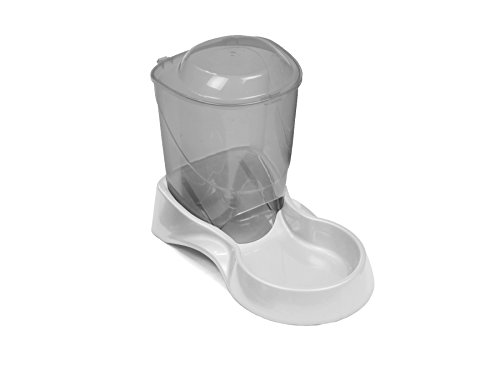
Dry cat food — kibble — is the most popular way to feed cats, and for good reason: it’s convenient, affordable, easy to store, and simple to leave out for grazing. For indoor cats, a quality dry food can be a solid foundation for daily nutrition. The key is choosing a good one and managing the few downsides, like hydration and portion control. This guide explains how to pick the best dry cat food for an indoor cat and feed it the smart way.
The Pros and Cons of Dry Food
Pros: dry food is cost-effective, convenient, has a long shelf life, can be left out without spoiling, and may help reduce tartar slightly through its crunchy texture. Cons: it’s low in moisture (around 10%), which matters for cats that don’t drink enough, and it’s often higher in carbohydrates than wet food. The good news is these downsides are manageable — choose a quality, protein-rich kibble, ensure plenty of fresh water, and many indoor cats thrive on it.

What to Look For in Quality Dry Cat Food
- Named animal protein first — real chicken, turkey, or fish, not unnamed “meat by-products.”
- High protein, moderate carbs — supports lean muscle and suits a cat’s carnivorous needs.
- “Complete and balanced” for your cat’s life stage.
- Limited fillers — minimal corn, wheat, and soy; no artificial colors or flavors.
- Indoor formulas — some are calorie-controlled with added fiber for weight and hairball management.
Dry cat food picks on Amazon
Quality kibble options for indoor cats:
Also Read

The Hydration Catch — and How to Solve It
Dry food’s biggest drawback is its low moisture, which can be an issue for cats with a naturally low thirst drive. Counter this by always providing plenty of fresh water — many cats drink more from a pet water fountain, since moving water appeals to them. You can also add a wet-food meal or two to the day for extra moisture. This mixed approach gives you dry food’s convenience plus wet food’s hydration benefits.

Portion Control for Indoor Cats
Because dry food is calorie-dense and easy to leave out, free-feeding can quietly lead to weight gain — a real risk for less-active indoor cats. Instead, measure daily portions based on the feeding guide and your cat’s weight, and consider scheduled meals rather than an always-full bowl. You should be able to feel your cat’s ribs under a light layer of fat. If your cat is gaining weight, cut back portions or switch to a calorie-controlled indoor formula, and check with your vet.
Dry vs. Wet: Do You Have to Choose?
Not at all — many owners feed both, and it’s often the best of both worlds: dry food for convenience and grazing, wet food for moisture and extra protein. If you prefer the benefits of moisture-rich meals, see our guides to the best wet cat food and best canned cat food for indoor cats.
A Note on Your Cat’s Health
Every cat’s needs differ with age, weight, and health. If your cat has urinary issues, is overweight, or has another condition, ask your vet whether dry food is suitable and which type. Monitor water intake, weight, and litter-box habits, and seek veterinary advice for any concerning changes. Quality food supports health best alongside regular checkups and fresh water.
Frequently Asked Questions
Is dry food bad for indoor cats?
No — quality dry food is a fine foundation for many indoor cats. Its main drawback is low moisture, which you can offset with plenty of fresh water (a fountain helps) and the occasional wet-food meal.
How much dry food should I feed my indoor cat?
Measure portions based on the feeding guide and your cat’s weight, and prefer scheduled meals over an always-full bowl. Indoor cats need fewer calories, so portion control is key to preventing weight gain.
Should I mix wet and dry cat food?
Many owners do, and it works well — dry food for convenience and grazing, wet food for moisture and protein. Just account for the combined calories so you don’t overfeed.
Does dry food help clean cats’ teeth?
Crunchy kibble may help reduce tartar slightly, but it’s not a substitute for dental care. Regular tooth brushing and veterinary dental checkups are the real keys to feline oral health.
Key Takeaways
- Dry food is convenient, affordable, and a solid base for many indoor cats.
- Choose a named-protein-first, “complete and balanced” kibble with limited fillers.
- Offset its low moisture with plenty of fresh water (a fountain helps) and optional wet meals.
- Measure portions and prefer scheduled meals to prevent indoor-cat weight gain.
- Mixing wet and dry is a great option; consult your vet for cats with health conditions.
Quality dry cat food is a convenient, budget-friendly way to keep your indoor cat well fed — just choose a protein-rich recipe, watch portions, and keep water flowing. Pair it with the occasional wet meal and you’ve got a balanced, practical routine. Explore more in our Pet Nutrition & Diet guides.

Hello! I'm Khan Hisham, a dedicated student with a profound passion for enhancing the lives of pets through comprehensive care. At Pawspera, our mission—"Prospering Pets, Every Day"—drives everything we do. We are committed to providing the latest insights, tips, and products that ensure your pet's health and happiness. Join us at Pawspera as we explore innovative ways to care for our furry friends with love and dedication.