A walk should be a joy, not a tug-of-war. If your dog pulls on the leash — dragging you down the street, choking themselves, or lunging at distractions — the right tools and techniques can transform your walks. Leash pulling is one of the most common dog behavior problems, and the good news is it’s very fixable. This guide covers the best leash training tools and how to use them to teach calm, enjoyable, loose-leash walking.
Why Dogs Pull on the Leash
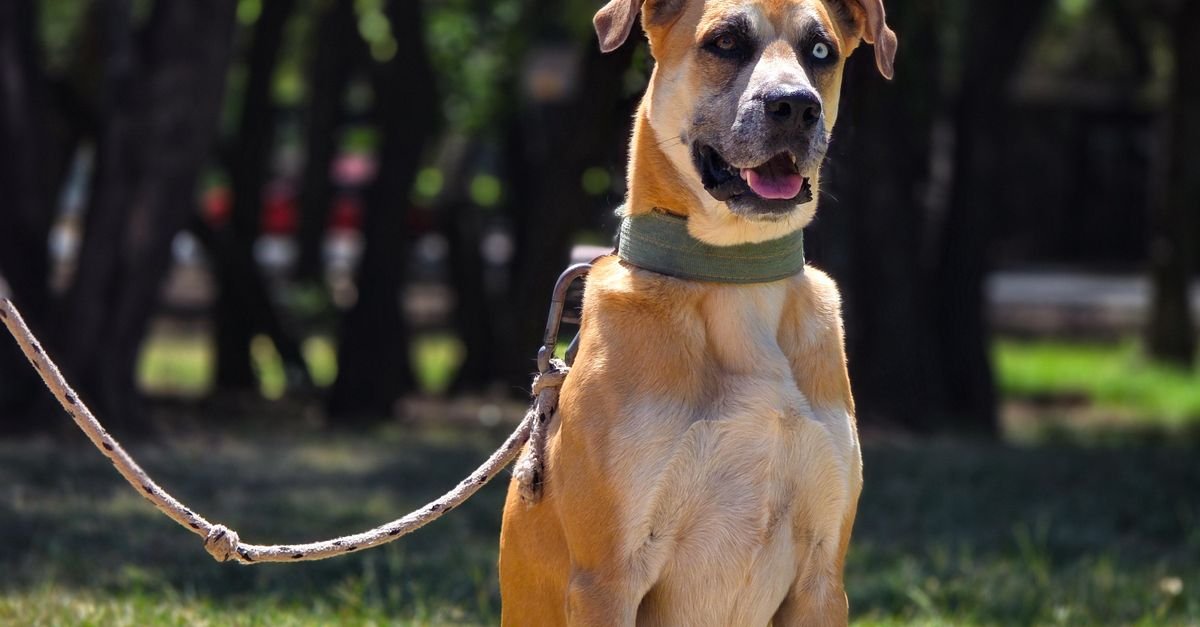
Dogs pull for simple reasons: they’re excited, the world is full of fascinating smells and sights, and — crucially — pulling often works (it gets them where they want to go faster). They’re not being “bad”; they simply haven’t learned that a loose leash is what moves things forward. The fix combines the right equipment with consistent training that rewards walking calmly beside you.
The Best Tools for Leash Training
No-Pull Harness (Front-Clip)
A front-clip harness is the go-to tool for pullers. When your dog pulls, the front attachment gently turns them back toward you instead of letting them power forward — reducing pulling without choking or hurting them. It’s humane, effective, and a great starting point for most dogs.
Also Read
-
How to Stop a Cat Scratching Furniture: The Reroute, the Placement Law, and the Specs

-
How to Crate Train a Dog: The Four Stages, the Whining Tree, and the Physiology Table
-
Back to School With Pets: The Two-Week Taper, the Alone-Time Rebuild, and the Distress Line

-
The Complete Dog & Cat Training Guide: Positive Reinforcement That Works

Standard Leash (Not Retractable for Training)
A regular 4–6 foot leash gives you consistent control for training. Avoid retractable leashes during training — they actually teach dogs that pulling extends their range, reinforcing the habit. Save the retractable for already-trained dogs in open spaces.
Treats & Treat Pouch
Loose-leash walking is taught by rewarding it. Keep high-value treats in an accessible pouch so you can reward your dog the instant they walk nicely beside you.
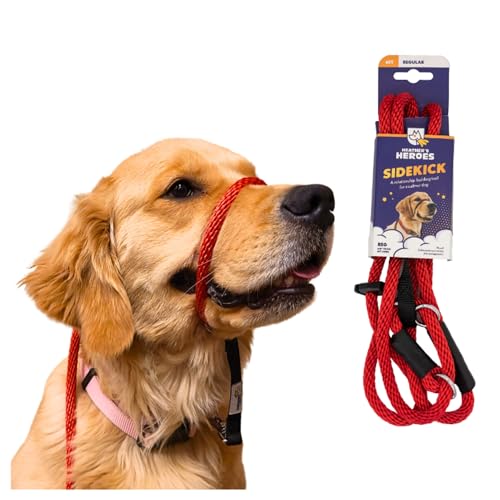
Head Halter (for Strong Pullers)
For powerful or determined pullers, a head halter gives gentle control by guiding the head (where the body follows). It needs proper introduction so your dog accepts it comfortably, but it can be very effective for dogs that overpower a harness.
Leash training tools on Amazon
Everything you need for calmer walks:
How to Train Loose-Leash Walking
Tools set you up; technique does the teaching. The core method:
- Stop when they pull. The moment the leash goes tight, stop walking. Pulling no longer works — the walk only continues when the leash loosens.
- Reward the loose leash. When your dog returns to your side or the leash slackens, praise and treat, then move on.
- Change direction. Turning unexpectedly teaches your dog to pay attention to you rather than charge ahead.
- Reward staying close. Treat your dog frequently for walking near you, so being by your side pays off.
- Practice in calm areas first, then build up to more distracting environments.
Consistency is everything — if pulling sometimes works, your dog keeps trying it.
Common Mistakes to Avoid
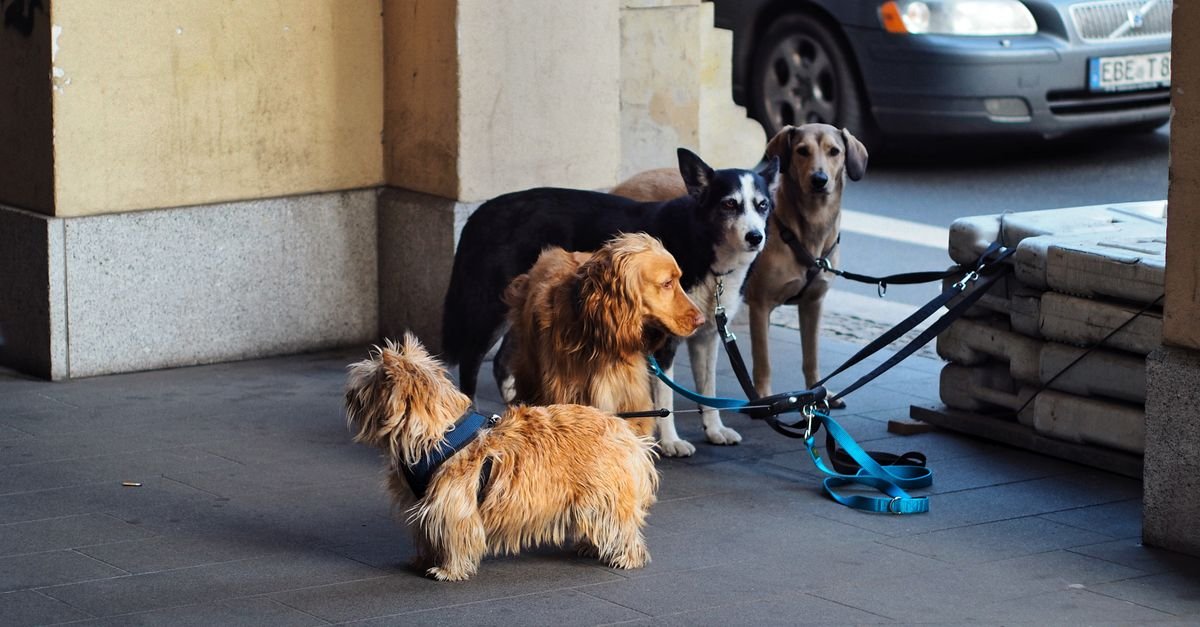
Watch out for: using a retractable leash during training (it rewards pulling), letting your dog pull “just this once” (inconsistency undoes progress), yanking the leash (it can hurt and creates anxiety), and expecting overnight results. Loose-leash walking takes repetition and patience — short, frequent practice sessions work better than occasional long battles.
A Note on Comfort & Safety
Make sure any harness or halter fits properly — not so tight it chafes, not so loose your dog slips out. Avoid choke and prong collars, which can injure the neck and increase anxiety. If your dog pulls due to fear or reactivity (lunging and barking at other dogs or people), or pulling suddenly worsens, consider a qualified positive-reinforcement trainer, and check with your vet to rule out pain or discomfort.
Frequently Asked Questions
What is the best tool to stop a dog pulling?
A front-clip no-pull harness is the best starting tool for most dogs — it gently redirects pulling without hurting them. For very strong pullers, a properly introduced head halter can help. Pair any tool with reward-based training.
Do no-pull harnesses really work?
Yes, for most dogs — the front clip turns your dog back toward you when they pull, discouraging the behavior humanely. They work best combined with training that rewards loose-leash walking, not as a standalone fix.
Should I use a retractable leash for training?
No — retractable leashes teach dogs that pulling extends their range, reinforcing the habit. Use a standard 4–6 foot leash for training and save retractables for already-trained dogs in open areas.
How long does it take to stop leash pulling?
It varies by dog and consistency — some improve in days, others take weeks of regular practice. The key is never letting pulling succeed, so stay consistent and patient with short, frequent sessions.
Key Takeaways
- Dogs pull because it works — the fix is making a loose leash the only thing that moves forward.
- A front-clip no-pull harness is the best starting tool; a head halter helps strong pullers.
- Use a standard leash, not retractable, for training, plus treats to reward calm walking.
- Stop when they pull, reward the loose leash, change direction, and stay consistent.
- Avoid choke/prong collars; get a positive trainer for fear-based pulling or reactivity.
With the right harness, a standard leash, treats, and consistent technique, you can turn frustrating walks into calm, enjoyable ones. Be patient and never let pulling pay off — your dog will learn that walking nicely is what keeps the adventure going. Explore more in our Pet Training & Behavior guides.

Hello! I'm Khan Hisham, a dedicated student with a profound passion for enhancing the lives of pets through comprehensive care. At Pawspera, our mission—"Prospering Pets, Every Day"—drives everything we do. We are committed to providing the latest insights, tips, and products that ensure your pet's health and happiness. Join us at Pawspera as we explore innovative ways to care for our furry friends with love and dedication.