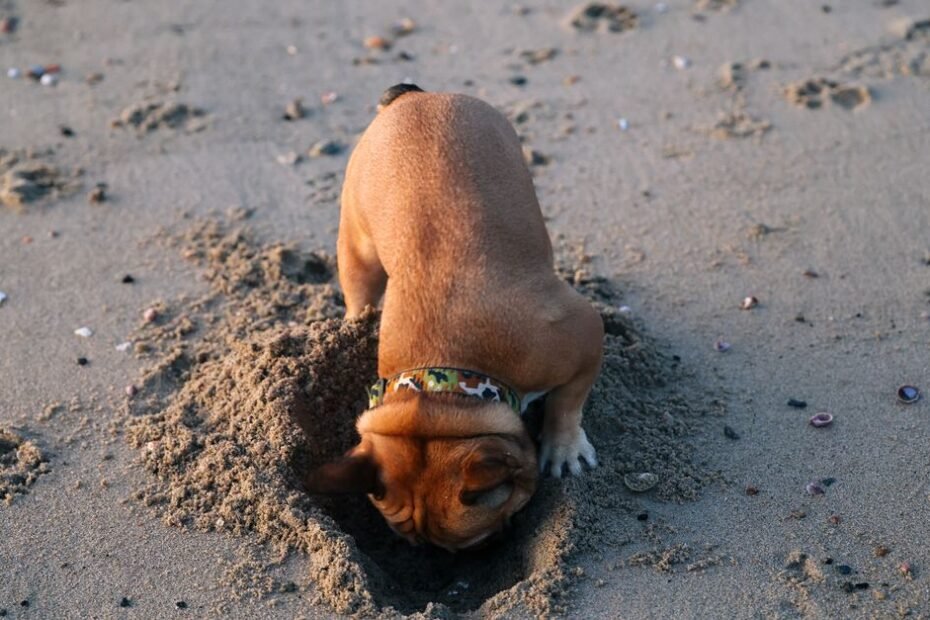
You step into the yard and there it is: another crater. Your lawn is starting to look like a tiny construction site, and the foreman — covered in dirt, tail wagging — shows zero remorse.
Before you declare war on the digging, it helps to know why it’s happening. Because dogs never dig for no reason — and the reason determines the fix.
Quick answer: Dogs dig because it’s instinct: to bury treasures, chase burrowing critters, cool off in hot weather, make a den, escape the yard, or simply burn off boredom. It’s one of the most natural dog behaviors there is. You rarely stop digging entirely — but you can absolutely redirect it somewhere you don’t mind.
Also Read
-
Puppy Teething: The Timeline, the Frozen Tier, and the Ten Thousand Trades

-
How to Socialize a Kitten: The Window, the Food Rule, and the Checklist

-
How to Stop a Cat Scratching Furniture: The Reroute, the Placement Law, and the Specs

-
How to Crate Train a Dog: The Four Stages, the Whining Tree, and the Physiology Table
Key Takeaways
- Digging is hard-wired instinct, not disobedience — punishment mostly confuses the dog.
- The location and pattern of holes tells you the motive: fence-line digs mean escape, shady-spot digs mean cooling, scattered digs mean fun or critters.
- Terriers, huskies, and hounds were literally bred to dig — expecting zero digging fights their DNA.
- Blanket-scratching and couch “digging” indoors is denning instinct — ancient bed-making behavior.
- The most effective fix is a designated dig zone — give the instinct a legal outlet.
- Sudden, frantic, or obsessive digging paired with anxiety signs deserves a vet conversation.
Why Do Dogs Dig in the First Place?
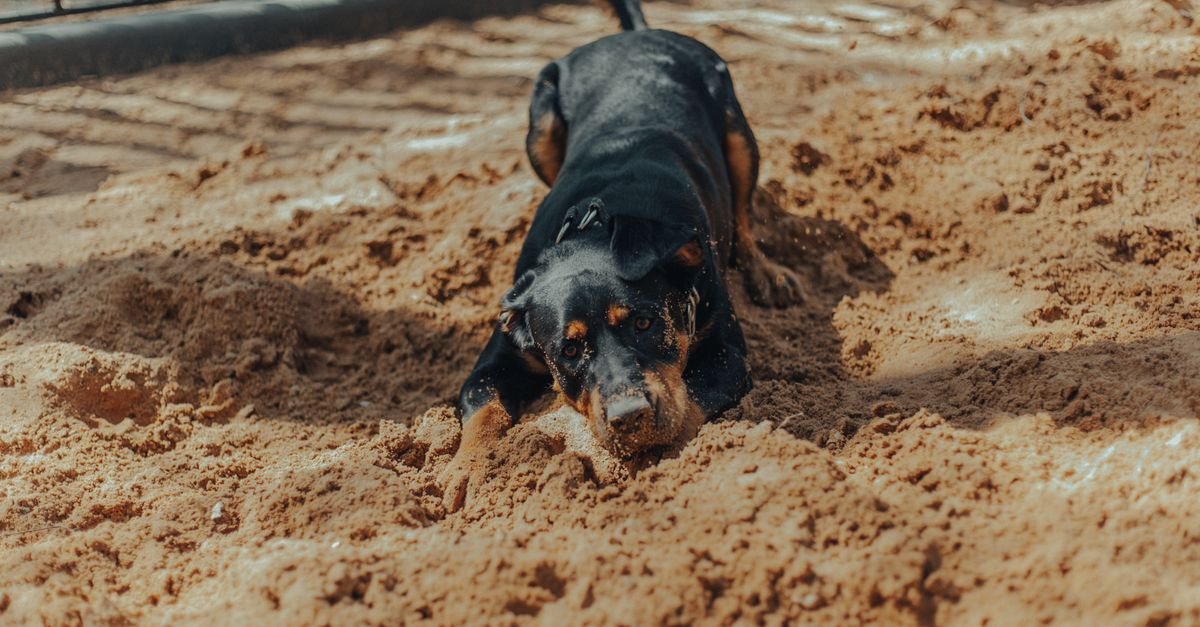
Digging predates lawns by a few hundred thousand years. Wild canids dig to cache food, raise pups in dens, evict prey from burrows, and regulate temperature.
Your dog inherited the full toolkit. The manicured backyard is new; the paws-first problem-solving is ancient — vet-reviewed behavior resources like Dogster list the same core motives you’ll decode below.
That’s why “how do I stop my dog digging” is really the wrong first question. The right one: which instinct is my dog running right now? Answer that, and the solution usually writes itself.
What Does the Hole Pattern Tell You? (Reading the Evidence)
Your yard is a crime scene, and the holes are testimony. Here’s the decoder:
Holes along the fence line → escape attempts. Something out there is worth reaching — or something in here is worth fleeing.
Shallow body-sized pits in shade or soft dirt → cooling beds. Classic summer behavior; the freshly dug earth is cool against the belly.
Scattered holes across open lawn, often near roots or edges → critter hunting. Moles, voles, grubs, and chipmunks broadcast scent and sound your dog can’t ignore.
Neat single holes where a treasure went in (or came out) → caching. Bones, chews, and toys get banked for later withdrawals.
Chaotic digging right after you leave, or by the door → separation stress or frustration — a different problem wearing a digging costume.
Is My Dog’s Breed Built for Digging?
For a lot of dogs, digging isn’t a bug — it’s the feature they were hired for.
Terriers (the name literally comes from terra, earth) were bred to dig into burrows after rats, foxes, and badgers. A Jack Russell ignoring diggable soil would be the surprise.
Dachshunds are badger-hunting excavators in a long, low chassis.
Huskies and northern breeds dig cooling pits and snow dens by instinct — summer lawns pay the price.
Scent hounds like Beagles follow their noses underground when the trail leads there.
If you share your home with one of these, aim for management and outlets, not elimination. You’re not fixing a flaw; you’re negotiating with a professional.
Why Do Dogs Dig at Beds, Couches, and Blankets?
The indoor version puzzles people most: your dog scratches at the sofa cushion, circles three times, and flops. No dirt in sight.
That’s denning instinct — prehistoric bed-making. Wild canids scratch the ground to loosen debris, shape a nest, check for unwelcome critters, and mark the spot with scent glands in their paws.
Your memory-foam dog bed doesn’t need any of that. Your dog’s firmware disagrees.
It’s harmless, universal, and honestly charming once you know what you’re watching: a wolf ritual performed on a $40 pet-store bed. Only worry if the scratching turns destructive or compulsive — more outlets and a tougher bed usually solve it.
Why Do Dogs Bury Bones and Toys?
Caching is survival banking. In the wild, a meal too big to finish got buried — cool earth kept it fresher and hidden from competitors.
Modern dogs with reliable dinner service still run the program. A high-value chew triggers the ancient calculation: too good to consume, too precious to leave out — deposit it.
Some dogs even “bury” treats indoors under blankets or behind couch cushions, complete with invisible-dirt nose pushes. The instinct runs whether or not actual soil is available.
It’s harmless — though if your dog buries and re-buries obsessively or guards cache sites, dial back the constant supply of high-value chews and add other enrichment instead.
Is My Dog Digging Because It’s Hot?
Very possibly — cooling pits are one of summer’s most common digging motives.
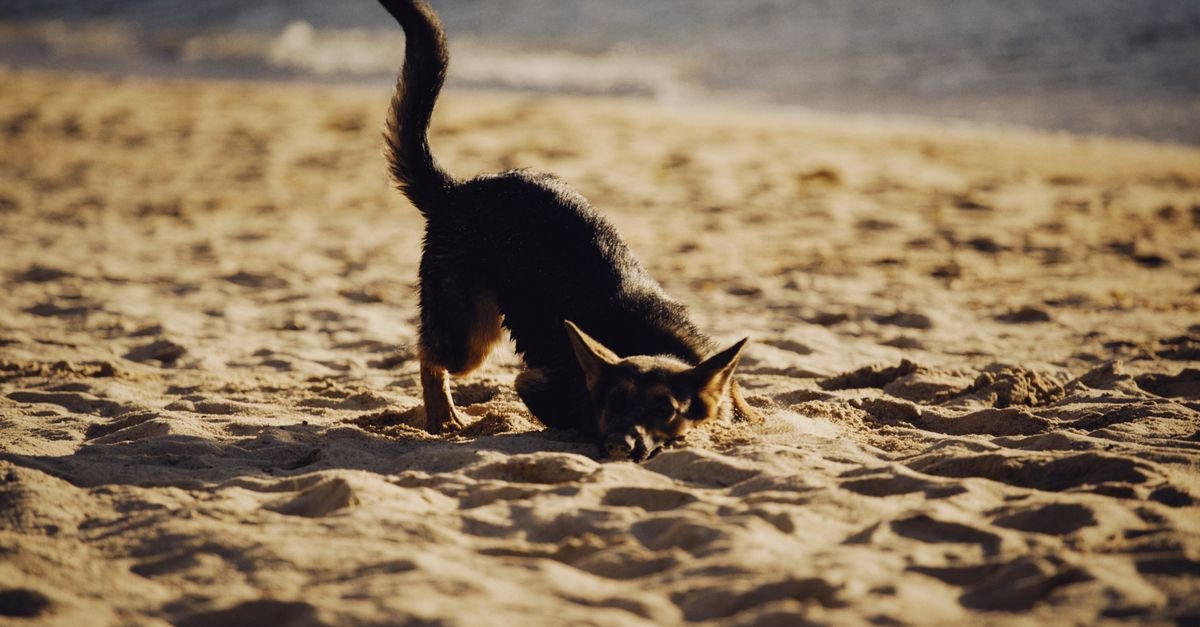
Earth a few inches down stays dramatically cooler than the surface. A hot dog excavates a shallow pit in the shade and presses its belly into the cool soil — a self-made air conditioner.
The tell: pits appear in shaded spots during warm weather, sized just right for a curled-up dog.
The fix is better cooling options: real shade, fresh water stations, an elevated mesh bed that lets air circulate underneath, or a splash pool. Solve the heat and the landscaping stops.
And a care note: heavy digging plus heavy panting in heat means it’s time to bring the dog inside — overheating is a genuine emergency, so when in doubt, call your vet.
Is Boredom Making My Dog Dig?
Often, yes — digging is one of the most satisfying self-entertainment options a yard offers.
It engages the nose, the paws, and the brain; produces visible results; and occasionally pays out an actual mole. From the dog’s perspective, it’s a puzzle game with prizes.
Suspect boredom when the digging happens during long solo yard time, when exercise has slipped, or in young high-energy dogs generally — the same restlessness economy behind the zoomies and tail chasing.
A tired dog with a worked brain digs remarkably less. It really is that direct.
How Do You Stop Unwanted Digging? (The Redirect Plan)
Here’s the honest framework: reduce the need, block the hotspots, and give the instinct a legal address.
Step 1: Burn the energy on purpose
More real exercise — fetch, tug, sniff walks, play dates — plus mental work: puzzle feeders, snuffle mats, training games. Most “digging problems” are exercise problems wearing gloves.
Boredom-busters that spare the lawn — solid Amazon searches:
Step 2: Build a dig zone
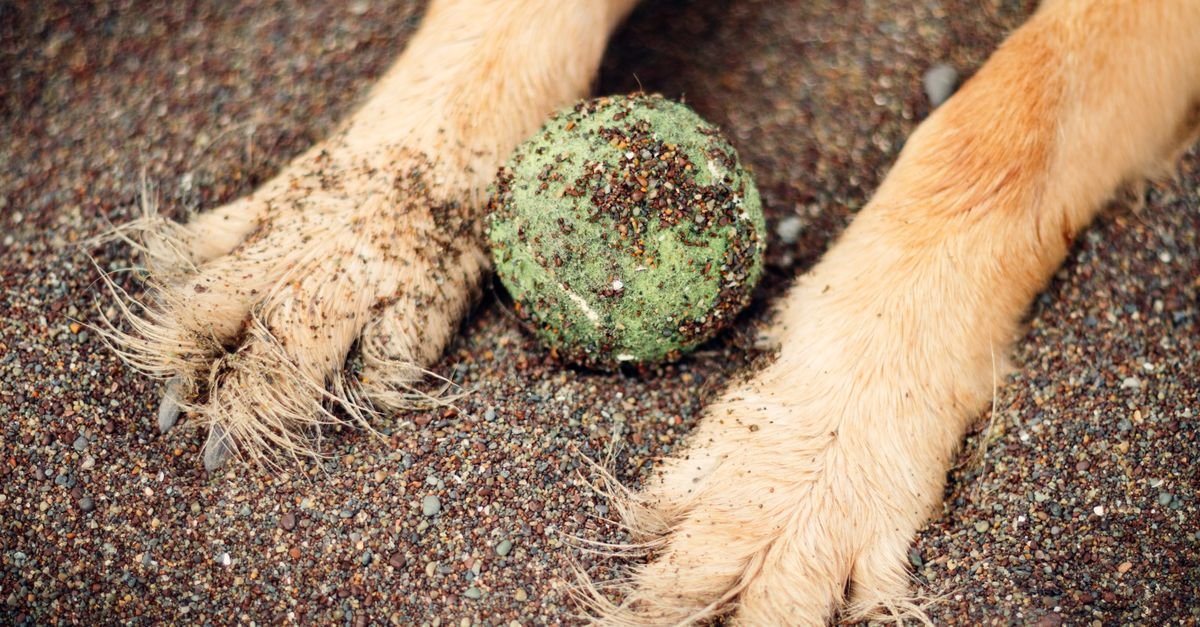
The single most effective tool. Pick a corner, frame a sandbox or loosen a patch of earth, and salt it with half-buried toys and treats.
When your dog digs there, praise like they’ve won a medal. Caught digging elsewhere? Calm interrupt, walk them to the zone, reward digging there.
You’re not fighting the instinct — you’re zoning it. Dogs learn the deal surprisingly fast.
Step 3: Make the hotspots unrewarding
Bury chicken wire or flat stones just under favorite spots (paws hate the feel), fill critter holes, and address the critters themselves humanely if hunting is the motive.
For fence-line diggers: bury an L-footer of wire along the fence base, and add barriers — escape digging is a safety issue, not just a lawn issue.
Step 4: Supervise the transition
For a few weeks, yard time is coached time. Every redirect to the dig zone builds the habit; every unsupervised free-dig undoes a lesson.
What Should You NOT Do About Digging?
Don’t punish after the fact. Dragging a dog to a cold crater and scolding teaches nothing — dogs connect consequences to the current moment, not to archaeology.
Don’t use harsh deterrents. Mothballs are toxic; cayenne and chemical repellents can harm eyes and noses. Not worth it.
Don’t rely on “filling the holes” alone. Refilled holes are an invitation to a remodel. Fill them and address the motive.
Don’t leave high-drive diggers alone in the yard for hours and expect a lawn. Management beats hope.
Don’t punish denning scratches indoors — that’s bed-making, not vandalism. Redirect to a durable bed and let the ritual happen.
When Is Digging a Sign of Something More Serious?
Most digging is healthy instinct. A few versions deserve closer attention:
- Escape digging — especially with fence pacing, whining, or bolting attempts — can signal separation anxiety, fear of something in the yard, or an intact dog tracking romance. The escape risk itself is dangerous.
- Frantic, sudden-onset digging in a dog who never dug before, or digging paired with other anxiety signs (pacing, destructive chewing, trembling — see our guide on why dogs shake).
- Compulsive digging that’s hard to interrupt and replaces eating, play, or rest.
- Digging with self-injury — worn nails, raw paw pads.
Those patterns are worth a conversation with your veterinarian — both to rule out physical drivers and to loop in behavior help early. As always: this guide is education, not diagnosis; your vet has eyes on your actual dog.
Can You Dig-Proof a Yard Completely?
Realistically? You can dig-manage, not dig-proof — and the managed version is better for everyone.
The pieces that work together: a legal dig zone (outlet), buried wire at the fence (safety), hardscaped or planted borders at former hotspots (prevention), good exercise (fuel reduction), and supervision during the learning phase (coaching).
Owners who try to eliminate digging entirely in a bred-to-dig breed end up frustrated on both ends of the leash. Owners who zone it usually report the lawn recovers — and the dog is happier too.
A dog with a sanctioned sandbox, honestly, is living the dream.
How to Build the Perfect Dig Box, Step by Step
Since the dig zone is the fix behaviorists recommend most, here’s the weekend-project version.
Size it honestly: your dog should fit inside with room to work — roughly 4×4 feet for a medium dog, bigger for serious excavators. A raised sandbox frame, a kiddie pool, or a simple bordered corner of earth all work.
Fill it right: play sand, loose garden soil, or a mix. Sand stays cleaner and drains after rain; soil smells more “real” to committed diggers. Six to twelve inches deep keeps it satisfying.
Seed the treasure: half-bury a few favorite toys and a scatter of treats with edges peeking out for easy first wins. Re-seed randomly a few times a week — unpredictable rewards are what keep the zone interesting.
Teach the address: walk your dog over, dig a little yourself (yes, really — it works), and throw a party for every paw that joins in. For the first weeks, every yard session starts with a dig-zone win.
Maintain it: fluff the fill weekly, cover sand overnight if neighborhood cats treat it as plumbing, and refresh the buried loot. A stale dig box loses to fresh lawn every time.
Frequently Asked Questions
Why do dogs dig holes in the yard?
The main motives: burying prized items, hunting burrowing critters, digging cool pits in hot weather, making a den, escaping the yard, or entertaining themselves when bored. The hole locations usually reveal which one is in play.
Why does my dog dig at the carpet or couch?
That’s denning instinct — ancient bed-making behavior. Dogs scratch and circle to “shape” a sleeping spot and mark it with paw scent, even on furniture that needs no shaping. It’s normal and harmless in ordinary amounts.
Why do dogs dig in their beds before lying down?
Same denning program: loosen the surface, shape the nest, claim it, circle, flop. Wild canids did it in earth and snow; your dog does it on memory foam. No fix needed.
How do I stop my dog from digging under the fence?
Treat it as an escape problem: bury chicken wire or an L-shaped footer along the fence base, block visual triggers if the dog is reacting to things outside, increase exercise, and address separation anxiety if it appears. Escape digging is a safety priority.
Should I punish my dog for digging?
No — especially not after the fact, which dogs can’t connect to the crime. Interrupt calmly in the moment, redirect to a designated dig zone, and reward digging there. Punishment tends to create sneaky diggers, not reformed ones.
What breeds dig the most?
Terriers and Dachshunds (bred for it), huskies and northern breeds (cooling and denning), and scent hounds like Beagles (following noses underground). High-energy dogs of any breed dig more when under-exercised.
Do dig boxes actually work?
Yes — a designated dig zone is the most reliable fix behaviorists recommend. Seed it with buried toys and treats, reward every use, and redirect all other digging to it. You satisfy the instinct instead of fighting it.
The bottom line
Digging is your dog being deeply, anciently a dog. Read the holes, meet the need behind them, zone the instinct into a legal patch — and save the vet call for the frantic, sudden, or escape-artist versions. The lawn will heal; the instinct is forever.

Hello! I'm Khan Hisham, a dedicated student with a profound passion for enhancing the lives of pets through comprehensive care. At Pawspera, our mission—"Prospering Pets, Every Day"—drives everything we do. We are committed to providing the latest insights, tips, and products that ensure your pet's health and happiness. Join us at Pawspera as we explore innovative ways to care for our furry friends with love and dedication.