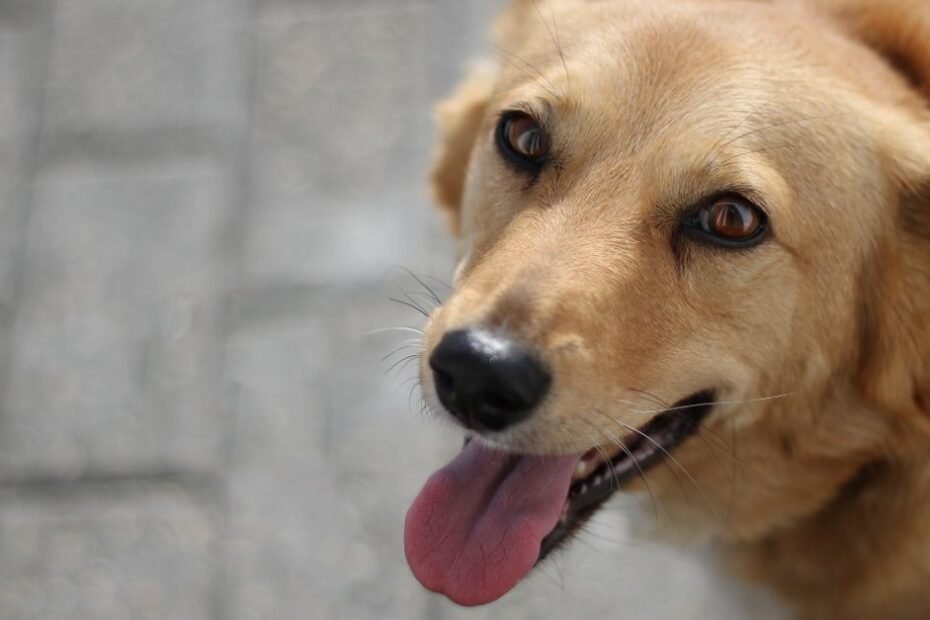
Dogs follow you everywhere because you’re the center of their world — pack instinct, affection, curiosity and the simple fact that good things (food, walks, attention) come from you. Most “velcro dog” behavior is healthy love; it only becomes a concern when your dog panics the moment you’re out of sight. Here’s how to read it — and gently build independence.
Key Takeaways
- Following is natural — dogs are social animals bonded to their people.
- Common drivers: affection, instinct, curiosity, boredom, and learned rewards.
- Velcro dog vs separation anxiety: clinginess is fine; panic when alone isn’t.
- Some breeds shadow more by design — it’s in their job description.
- You can build independence kindly, without pushing your dog away.
Why does my dog follow me everywhere?
If you have a four-legged shadow trailing you from room to room, you’re in very good company.
Dogs evolved alongside humans as social pack animals, and to your dog, you are the pack. Where the pack leader goes, the pack follows — especially to interesting places like the kitchen.
Also Read
-
Puppy Teething: The Timeline, the Frozen Tier, and the Ten Thousand Trades

-
How to Socialize a Kitten: The Window, the Food Rule, and the Checklist

-
How to Stop a Cat Scratching Furniture: The Reroute, the Placement Law, and the Specs

-
How to Crate Train a Dog: The Four Stages, the Whining Tree, and the Physiology Table
Following is usually a compliment: you’re the source of safety, fun and love.
The AnimalWised video below runs through the five big reasons in a few minutes.
Reason 1: You’re their favorite person
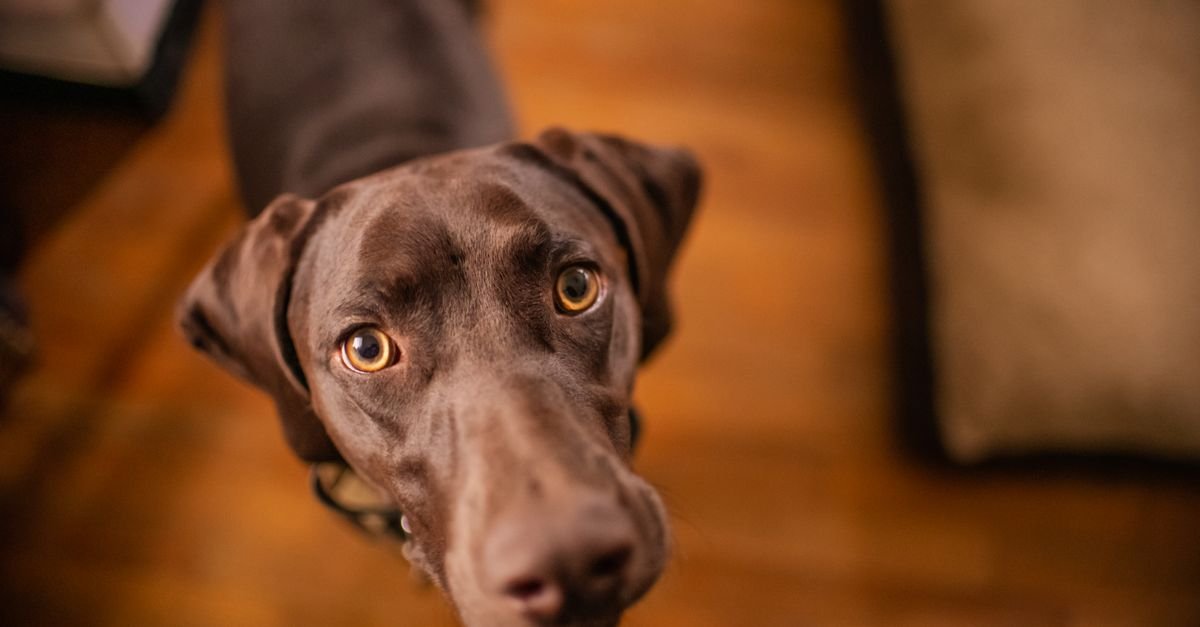
The simplest explanation is genuine attachment.
Dogs form deep bonds with their people, and being near you is inherently rewarding — your presence literally makes them feel good.
A dog that follows you calmly, settles nearby and relaxes is showing healthy affection, nothing more.
Reason 2: Pack instinct
Following is wired in.
Dogs descend from animals that lived and moved as a group; staying close to the group meant safety and success.
Your household is your dog’s group, and shadowing its members is completely natural behavior.
Reason 3: Good things come from you
Dogs are brilliant students of cause and effect.
You control the food, the treats, the leash, the door and the belly rubs — so staying near you maximizes the odds of good things happening.
Every time following you leads to a snack or a walk, the behavior gets a little reinforcement.
Reason 4: Curiosity and FOMO
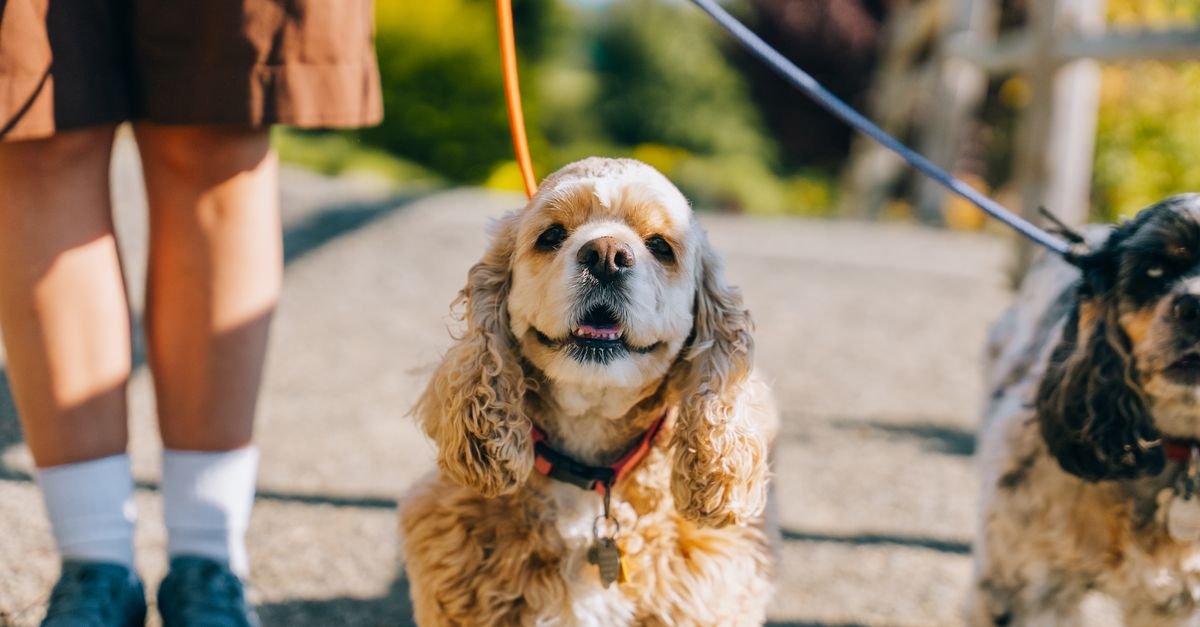
Dogs hate missing out.
Your movement signals that something might happen — and your dog wants front-row seats, whether it’s a trip to the pantry or just a change of scenery.
This is especially true in homes where interesting things (walks! visitors! dropped food!) genuinely do happen.
Reason 5: Boredom
Sometimes you’re simply the most interesting thing in the house.
An under-stimulated dog with no job and no entertainment will make following you its hobby.
If the shadowing comes with restlessness, whining or pestering, your dog may need more exercise and mental work — more on that below.
What is a “velcro dog”?
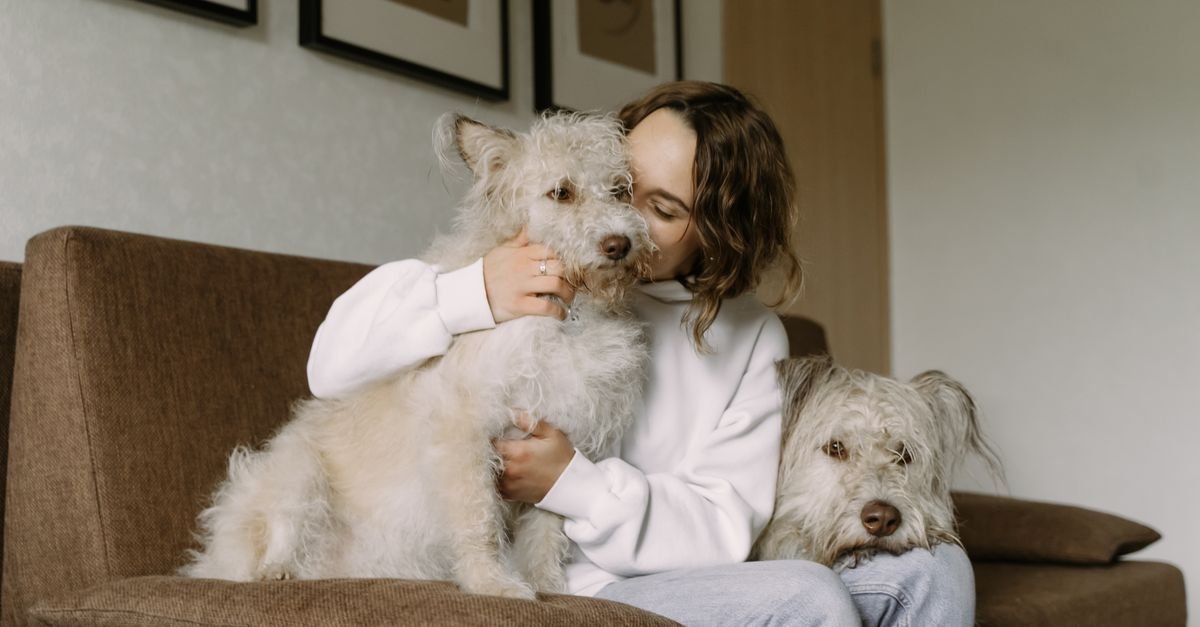
“Velcro dog” is the affectionate term for a dog that sticks to you like, well, velcro.
Velcro dogs prefer to be near you and will follow you around, but — crucially — they can cope when you leave. They may sigh dramatically, then nap.
It’s a personality trait, not a disorder, and by itself it’s harmless.
Velcro dog vs separation anxiety: the key difference
This distinction matters more than any other in this article.
A velcro dog follows you when you’re home but settles when you leave. A dog with separation anxiety panics when you’re gone — barking, howling, destroying things, pacing, or having accidents.
Following you around is fine. Falling apart without you is a genuine welfare issue that deserves help — see our guide to anxiety relief for dogs.
Which breeds follow their owners most?
Some dogs were literally bred to shadow humans.
Herding and working breeds (like shepherds and collies), retrievers bred to work beside hunters, and companion breeds (like Cavaliers and lapdogs) tend to stick closest.
If you chose a breed designed to work with people all day, a shadow is part of the package.
Why does my dog follow me and no one else?
Dogs often pick a person.
Usually it’s whoever feeds, walks and trains them most — or whose energy and routine they’ve bonded to during their key socialization window.
It’s not a rejection of everyone else; it’s attachment plus habit. Sharing feeding and walking duties usually spreads the love.
Why does my dog follow me to the bathroom?
The classic question — and the answer is sweetly simple.
Your dog doesn’t share your concept of privacy. To them, the bathroom is just another room you’ve gone into, and pack members stick together.
Some dogs also feel you’re “vulnerable” there and keep watch. It’s devotion, if slightly awkward devotion.
Did my dog suddenly start following me more?
A sudden increase in clinginess is worth noticing.
New shadowing can follow changes at home (moves, new pets, schedule shifts), or signal that your dog feels unwell, anxious or insecure.
Older dogs losing sight or hearing often stick closer, too. If clinginess spikes with other changes — appetite, energy, behavior — check in with your vet.
Is following ever a sign of illness?
Occasionally, yes.
Dogs that feel sick or in pain sometimes seek their person’s presence for comfort and reassurance.
Trust the combination: following plus lethargy, appetite loss, or other symptoms deserves a vet visit. This article is general information, not veterinary advice.
Is it bad to let my dog follow me everywhere?
Mostly, no — enjoy it.
Calm following is healthy bonding. The only real risks are tripping over a silent shadow (genuinely common!) and accidentally raising a dog that never learns to be alone.
A little deliberate independence practice keeps the balance right.
How to build healthy independence
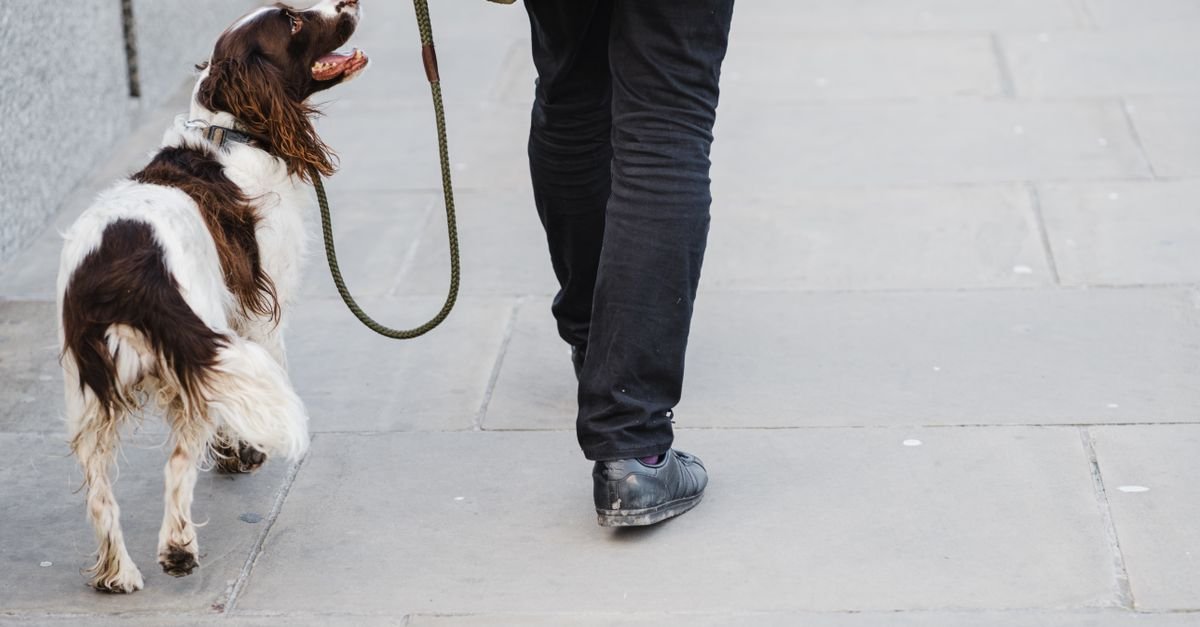
The goal isn’t less love — it’s more confidence.
- Reward calm distance: quietly praise your dog when it settles in another room.
- Practice mini-departures: leave for seconds, return calmly, build up slowly.
- Create a cozy spot of their own — bed, blanket, favorite chew.
- Keep exits and returns boring — no dramatic goodbyes.
- Teach a “place” or “stay” command — see basic obedience training.
Give the shadow a job: enrichment
A busy dog is a more independent dog.
Puzzle feeders, snuffle mats, long-lasting chews and treat-dispensing toys give your dog satisfying solo activities — and burn the mental energy that fuels constant shadowing.
See our picks for interactive puzzle toys, or browse enrichment toys on Amazon.
Shop Independence-Building Toys →
Exercise: the other half of the fix
Physical outlets shrink clingy restlessness.
A well-walked dog with regular play sessions has less pent-up energy to spend orbiting you — and more contentment to nap with.
If your dog follows you while whining and fidgeting, more exercise is often the first, best answer (a joyful case of the zoomies helps too).
What NOT to do about a velcro dog
- Don’t punish following — it confuses a loving behavior and can create anxiety.
- Don’t sneak out — unpredictable disappearances feed insecurity.
- Don’t force isolation suddenly; build independence gradually.
- Don’t reward pestering with attention every time — reward calm instead.
Puppies vs adult dogs: different shadows
Age changes the meaning.
Puppies follow constantly because everything is new and you’re their security — totally normal, and the age to gently practice short separations.
A senior dog that starts shadowing may be experiencing sensory decline or confusion, and deserves a little extra patience and a vet check.
When to get professional help
Some clinginess needs more than home tweaks.
If your dog panics when left alone — destruction, constant howling, accidents, escape attempts — that’s separation anxiety, and a vet or certified behaviorist can build a real treatment plan.
It’s a treatable condition, and addressing it early makes it much easier.
Enjoying your shadow
Here’s the part no one says enough: a dog that adores your company is a gift.
Once you’ve ruled out anxiety and boredom, that little parade to the kitchen is just love with paws.
Keep your buddy busy, confident and exercised — then enjoy being someone’s favorite person. For the full care picture, see our complete pet care guide.
Why does my dog follow me but ignore commands?
Following and obedience are different skills.
Shadowing you is instinct and attachment; responding to “sit” or “stay” is trained behavior that needs practice and rewards.
A devoted follower with selective hearing simply needs short, fun, treat-backed training sessions — the bond is already there to build on.
Do dogs follow us to protect us?
Sometimes there’s a guardian streak in it.
Many dogs quietly position themselves where they can watch over their person — by the bathroom door, facing the entrance, at the bedroom threshold.
It’s usually calm and sweet. Only if “guarding” turns into growling at family members or guests does it need a trainer’s input.
Why does my dog follow me more at night?
Evening shadowing has its own logic.
The house quiets down, the family gathers, and your dog’s favorite part of the day — everyone together — arrives. Many dogs also simply prefer sleeping near their person.
A comfy dog bed in the bedroom often satisfies the nighttime shadow completely.
Did I accidentally train the following?
Partly — and that’s okay.
Every time following you produced a treat, a pat or a walk, the habit strengthened. Dogs repeat what pays.
You don’t need to undo the love; just make calm, independent moments pay too, so both behaviors stay in your dog’s repertoire.
New dog or rescue following you constantly?
Give new arrivals extra grace.
A newly adopted dog often shadows intensely for the first weeks — you’re the only safe thing in an unfamiliar world.
Keep routines predictable, let confidence grow, and most rescues relax into normal velcro levels within a month or two.
Multi-dog homes: does a second dog help?
Sometimes — but not as a shortcut.
A compatible companion can ease boredom-driven shadowing, but a dog bonded to you will still prefer you, and separation anxiety doesn’t resolve just because another dog is present.
Add a second dog because you want one, not as a fix — then enjoy the double shadow.
The quick self-check: healthy shadow or worried shadow?
Run through four questions.
Does your dog settle calmly once near you? Can it stay relaxed in another room sometimes? Does it cope when you leave the house? Is the following loose and happy rather than frantic?
Four yeses = a healthy velcro dog, nothing to fix. A no on coping alone = start the independence steps above, and loop in a professional if leaving triggers real panic.
Everything else is just love with a wagging tail.
One last reassurance: shadowing rises and falls with seasons of life. Expect more of it during changes, less as confidence grows, and a little extra devotion on the days you need it most — dogs are good at knowing.
Frequently Asked Questions
Why does my dog follow me everywhere?
Because you’re the center of their world: dogs are social pack animals, and you provide safety, food, fun and affection. Following is usually healthy attachment, sometimes mixed with curiosity or boredom. It’s only a concern if your dog panics when you actually leave.
What is a velcro dog?
A velcro dog is one that loves staying close and follows you from room to room but can cope calmly when you leave. It’s a harmless personality trait — unlike separation anxiety, where a dog panics, barks, destroys things or has accidents when left alone.
Why does my dog follow me to the bathroom?
Dogs don’t understand privacy — to them the bathroom is just another room, and pack members stay together. Some dogs also seem to stand guard while you’re “vulnerable.” It’s normal, affectionate behavior, if a little awkward.
Why has my dog suddenly started following me more?
Sudden clinginess often follows changes at home, insecurity, or your dog feeling unwell — sick or aging dogs frequently stick closer to their person. If the new shadowing comes with appetite, energy or behavior changes, have your vet take a look.
Is it bad that my dog follows me everywhere?
Usually not — calm following is healthy bonding. It only needs attention if it comes with anxiety when you leave, restless pestering from boredom, or if you’d simply like your dog to be more independent. Gradual alone-time practice and enrichment fix most of it.
How do I make my dog more independent?
Reward calm settling at a distance, practice very short departures and build up slowly, give them a cozy spot of their own, keep exits and returns low-key, and add puzzle toys and exercise. Independence grows from confidence, not from pushing your dog away.
Which dog breeds follow their owners the most?
Herding and working breeds (shepherds, collies), retrievers, and companion breeds like Cavaliers tend to shadow their people most — they were bred to work closely with humans all day. For these dogs, following you is part of the job description.
The bottom line
A dog that follows you everywhere is almost always saying something simple: you’re my person, and being near you is the best thing I know.
Rule out boredom and separation panic, build gentle independence, and take the compliment.
Keep the bond healthy with our guides to obedience training and anxiety relief for dogs.

Hello! I'm Khan Hisham, a dedicated student with a profound passion for enhancing the lives of pets through comprehensive care. At Pawspera, our mission—"Prospering Pets, Every Day"—drives everything we do. We are committed to providing the latest insights, tips, and products that ensure your pet's health and happiness. Join us at Pawspera as we explore innovative ways to care for our furry friends with love and dedication.