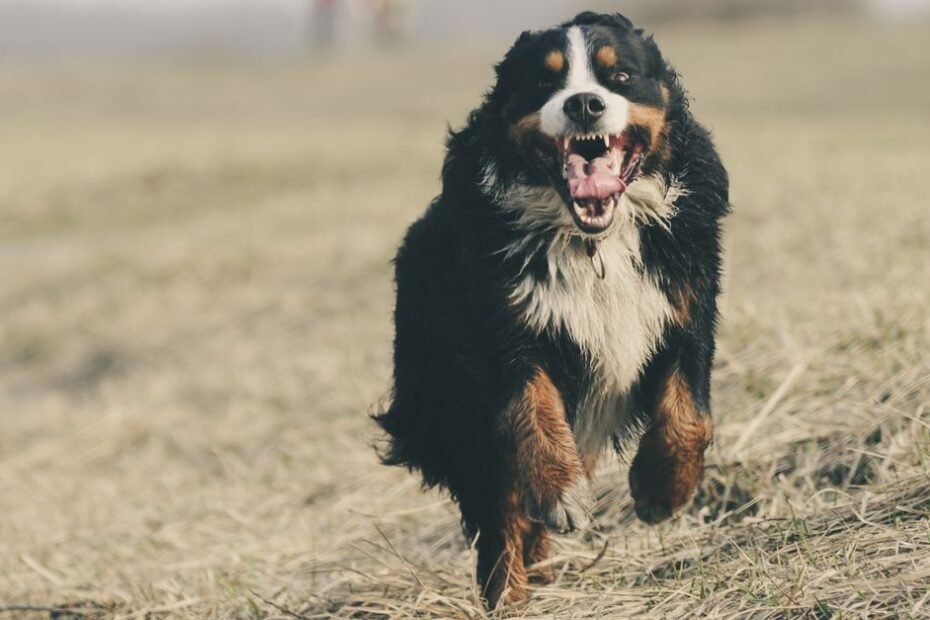
Dogs get the zoomies — those sudden bursts of racing around in circles — to release pent-up energy or pure excitement. They’re officially called FRAPs (Frenetic Random Activity Periods), and they’re almost always a normal, healthy sign of a happy dog. Here’s why they happen and how to keep them safe.
Key Takeaways
- Zoomies = FRAPs, Frenetic Random Activity Periods.
- They release pent-up energy or excitement — usually a happy, healthy behavior.
- Common triggers: after a bath, evenings, after pooping, or after being cooped up.
- Mostly harmless, but keep the space and footing safe.
- Frequent frantic zoomies can mean your dog needs more exercise.
What are the zoomies?
The “zoomies” are those glorious moments when your dog suddenly tears around the house or yard at top speed, often in wild circles.
They usually last a minute or two, then stop as suddenly as they started, leaving your dog happily panting.
Also Read
-
How to Stop a Cat Scratching Furniture: The Reroute, the Placement Law, and the Specs

-
How to Crate Train a Dog: The Four Stages, the Whining Tree, and the Physiology Table
-
Back to School With Pets: The Two-Week Taper, the Alone-Time Rebuild, and the Distress Line

-
The Complete Dog & Cat Training Guide: Positive Reinforcement That Works

They’re a normal, well-recognized dog behavior — and honestly one of the most joyful things dogs do.
The short Insider explainer below shows the science behind why dogs do this.
What does FRAP stand for?
Zoomies have a proper scientific name: FRAPs.
It stands for Frenetic Random Activity Periods — a precise description of that frantic, seemingly random burst of activity.
So next time your dog goes wild, you can announce they’re “having a FRAP.”
Why do dogs get the zoomies?
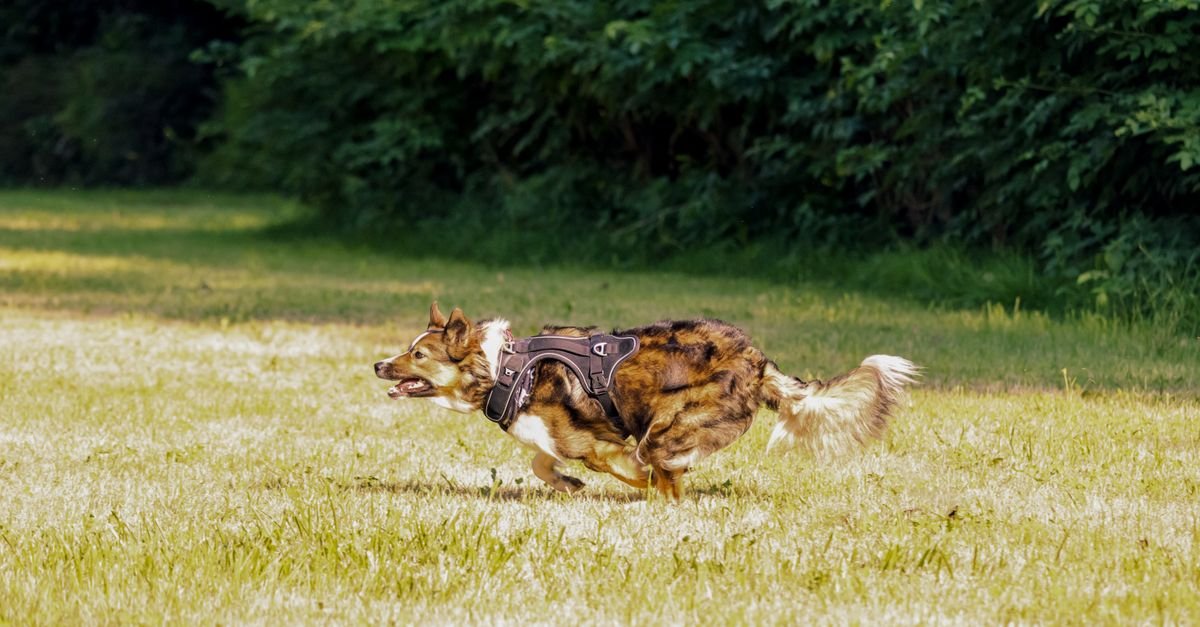
The core reason is energy release.
When a dog has built up excess physical energy or a surge of excitement, the zoomies are a natural way to burn it off in one exhilarating rush.
It’s the canine equivalent of a kid who’s been sitting still too long suddenly needing to run.
When do zoomies usually happen?
There are classic zoomie moments almost every owner recognizes.
- After a bath — relief, excitement, and shaking off the weird wet feeling.
- Evenings — a common “witching hour” energy spike.
- After pooping — a surprisingly frequent trigger.
- After being crated or cooped up — pent-up energy let loose.
- During play or greetings — sheer excitement.
Are zoomies a sign of a happy dog?
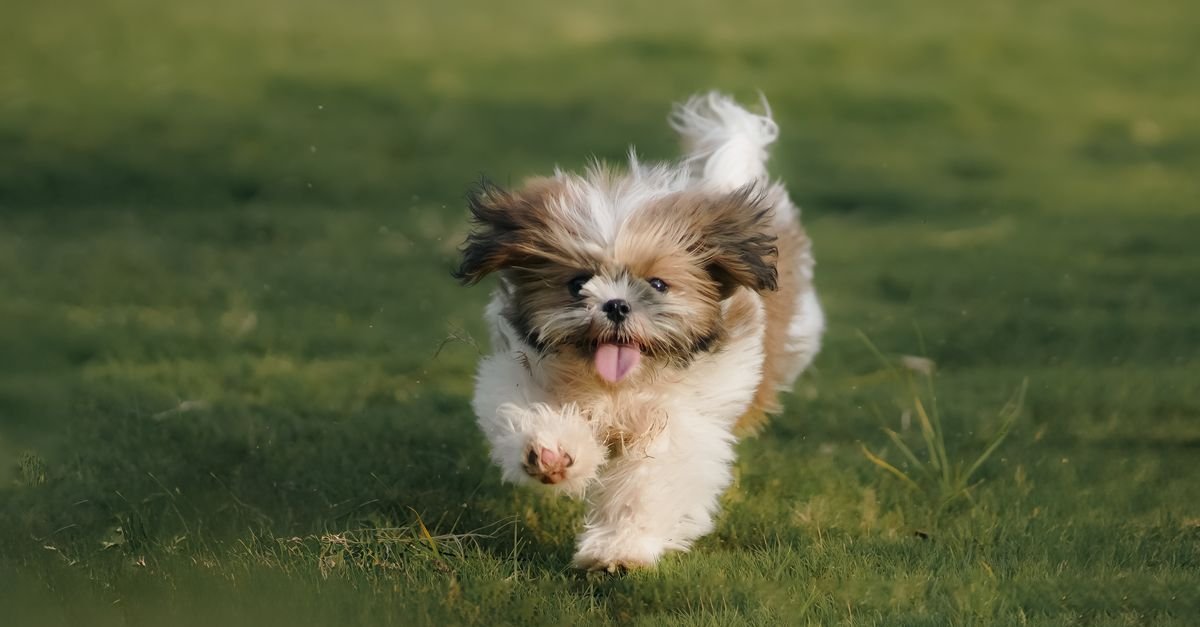
Usually, yes — zoomies are a wonderful sign of a joyful, healthy dog.
They most often erupt from happiness, playfulness and relief, which is why they’re so common in puppies bursting with energy.
A dog mid-zoomie, with a loose, wiggly “play” posture, is simply having the time of its life.
Are the zoomies safe?
The behavior itself is healthy; the main risk is the environment.
A dog sprinting blindly can crash into furniture, slip on smooth floors, or dash somewhere dangerous like a road.
So zoomies are safe as long as you make the space safe — more on that below.
Do puppies get the zoomies more?
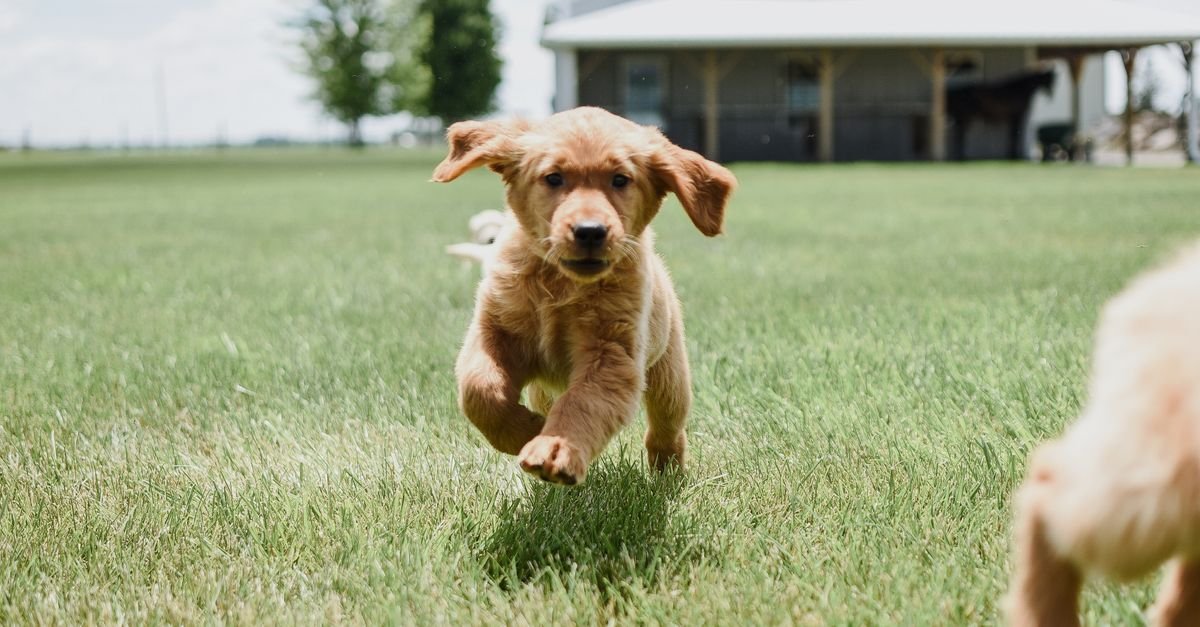
Definitely — puppies are zoomie machines.
Young dogs have huge energy and less impulse control, so frequent FRAPs are completely normal as they grow.
As dogs mature, zoomies typically become less frequent but rarely disappear entirely.
Do senior dogs get the zoomies?
Many do, and it’s lovely to see.
Older dogs zoomie less often, but a healthy senior still enjoying the occasional burst is showing you they feel good.
Just keep an extra eye on footing and joints for older dogs, who are more prone to slips.
Do cats get the zoomies too?
They certainly do.
Cats have their own version — those sudden midnight sprints around the house — driven by the same pent-up energy and instinct.
If you have both, you may witness some truly chaotic shared zoomie sessions.
Why does my dog get zoomies after a bath?
Post-bath zoomies are one of the most common kinds.
It’s a mix of relief that the bath is over, excess energy from the excitement, and the instinct to shake off and “dry” that odd wet feeling.
Give your dog a clear, non-slip space to zoom and let them enjoy it.
Why does my dog get zoomies at night?
Evening zoomies are classic, especially for dogs who’ve been calmer during the day.
Energy that hasn’t been used up tends to surface in the evening as one final burst before settling for the night.
A good walk or play session earlier usually mellows the nighttime FRAP.
Should you stop the zoomies?
Generally, no — let them run their course in a safe space.
Trying to grab or chase a zooming dog often makes it worse (they think it’s a game) and can cause a collision.
Instead, guide them somewhere safe and let the burst pass naturally, which only takes a minute or two.
How to keep the zoomies safe
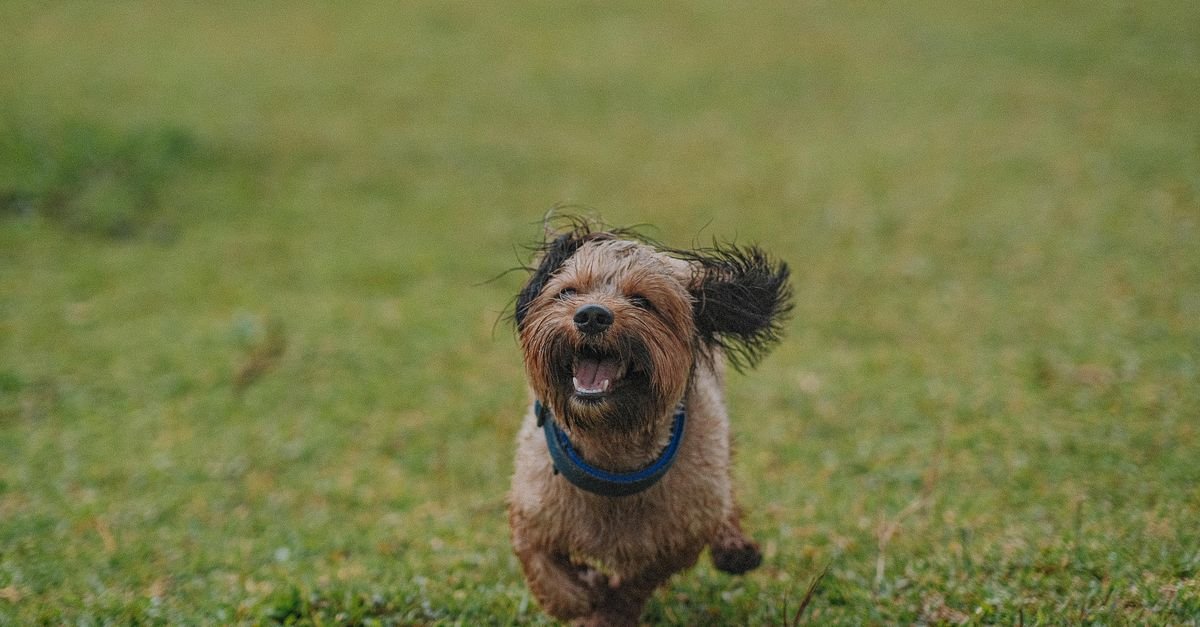
A little preparation turns zoomies into pure fun.
- Clear a path — move fragile items and tripping hazards.
- Add non-slip rugs on smooth floors to protect joints.
- Steer zoomies toward a yard or open room when you can.
- Keep your dog away from roads and stairs mid-zoomie.
How to burn energy so zoomies are calmer
If frantic zoomies are frequent, the fix is more outlets for energy.
Daily walks, play, and especially mental enrichment like puzzle toys tire a dog out far better than physical exercise alone.
See our picks for the best dog toys and interactive puzzle toys, or browse puzzle toys on Amazon.
Shop Energy-Burning Dog Toys →
Zoomies and pent-up energy: the real cause
At heart, most zoomies come down to stored-up energy finding an exit.
Dogs are built to move, and a day with too little activity leaves a surplus that eventually bursts out as a FRAP.
This is why well-exercised dogs still zoomie — from joy — but usually less frantically.
When frequent zoomies signal too little exercise
Very frequent, intense zoomies can be a gentle hint.
If your dog is FRAPping constantly and seems restless, it may simply need more physical and mental stimulation each day.
Meeting that need makes for a calmer, more content dog — and a tidier living room.
Are zoomies ever a bad sign?
Rarely, but it’s worth knowing the difference.
Normal zoomies are joyful and brief. If “zoomies” look more like frantic, anxious pacing, or come with signs of distress or overheating, that’s different — watch your dog and consult a vet if unsure.
Also keep an eye on heavy panting afterward; our guide on why dogs pant explains what’s normal.
Common mistakes during the zoomies
- Chasing the dog, which fuels the frenzy and risks collisions.
- Punishing zoomies, which confuses a happy, natural behavior.
- Zooming on slippery floors, risking joint injuries.
- Ignoring the cause, when frequent zoomies mean more exercise is needed.
- Letting zoomies happen near roads or stairs.
How long do the zoomies usually last?
Not long at all — that’s part of their charm.
A typical zoomie burst lasts from a few seconds to a couple of minutes before your dog suddenly stops, satisfied.
If “zoomies” dragged on and on, or seemed frantic rather than fun, that would be worth a closer look.
Why does my dog get zoomies after eating?
A post-meal energy surge is common.
A burst of fuel, combined with excitement, can spill out as a quick sprint around the house.
Just avoid vigorous play right around large meals in deep-chested breeds, where it’s linked to bloat risk — a gentle wait is safer.
Are zoomies happiness or overstimulation?
Usually happiness — but occasionally over-arousal.
Most zoomies are joyful energy release. Sometimes, though, an overtired or overexcited dog (like an overtired toddler) zoomies because it can’t settle.
If zoomies erupt when your dog is clearly overstimulated, a calm wind-down helps more than more play.
Can zoomies happen safely indoors?
They can, with a little prep.
Clear a path, add non-slip rugs on slick floors, and steer your dog away from stairs and fragile items.
Indoor zoomies are fine as long as your dog isn’t skidding into furniture or risking a fall.
Why does my dog crash and sleep after zoomies?
Because they’ve burned off a big surge of energy.
A zoomie is an intense little workout, so a happy nap afterward is completely normal.
It’s the same pattern as a child who runs hard and then flops — a good sign they let off steam.
Are zoomies more common in certain breeds?
Energy level plays a big role.
High-energy and working breeds tend to zoomie more, as do young dogs of any breed, while low-energy or senior dogs do it less.
None of this is a problem — it just reflects how much energy your dog has to release.
What should you do during a zoomie?
Mostly, get out of the way and keep it safe.
Don’t chase (it fuels the frenzy); instead guide your dog toward open, safe space and let the burst pass.
Stay calm and enjoy the show — it’s over in moments.
Can you channel or reduce frantic zoomies?
You can take the edge off with better outlets.
Regular exercise, play that mimics chasing, and mental enrichment reduce the pent-up energy behind frantic zoomies.
You’ll likely still see joyful bursts — you just won’t see the “cooped up all day” version as often.
Do zoomies ever signal a problem?
Rarely, but stay observant.
Normal zoomies are brief and happy. Frantic, anxious circling, or “zoomies” paired with distress or compulsive spinning, are different and worth discussing with your vet.
Also watch recovery — heavy or struggling breathing afterward isn’t normal.
Are cat and dog zoomies the same thing?
They’re driven by the same idea.
Both are bursts of pent-up energy, though cats famously get theirs at night. If you have both pets, expect the occasional synchronized chaos.
In each case, it’s a normal, healthy way to blow off steam.
Are the zoomies good exercise?
They’re a fun bonus, not a substitute for real exercise.
A zoomie burns energy in a short, intense burst, but it’s brief and unpredictable.
Structured daily walks and play do the real work of keeping your dog fit; zoomies are just the joyful overflow.
Why do dogs get zoomies at the park or beach?
Open space plus excitement is a perfect zoomie recipe.
Wide, safe areas give dogs room to really open up, and the thrill of a new environment adds fuel.
It’s some of the best, safest zooming there is — just keep an eye on recall and other dogs.
Should you worry if your dog never gets the zoomies?
Not at all.
Plenty of calm, older, or laid-back dogs rarely zoomie, and that’s perfectly normal.
As long as your dog is happy, active in other ways, and healthy, a lack of zoomies simply reflects personality.
Frequently Asked Questions
Why do dogs get the zoomies?
Dogs get the zoomies to release pent-up energy or a burst of excitement. Officially called FRAPs (Frenetic Random Activity Periods), these sudden sprints are a normal, healthy behavior — usually a sign of a happy dog letting off steam after a bath, in the evening, or after being cooped up.
Are the zoomies a good sign?
Usually, yes. Zoomies most often come from happiness, playfulness and relief, which is why puppies do them so much. A dog with a loose, wiggly posture mid-zoomie is simply enjoying itself. The behavior is healthy; you just need to make sure the space around them is safe.
Should I stop my dog’s zoomies?
Generally no — let them run their course in a safe area. Chasing or grabbing a zooming dog often makes it worse and risks a collision. Instead, guide your dog toward a clear, non-slip space and let the short burst pass naturally, which usually takes only a minute or two.
Why does my dog get zoomies after a bath?
Post-bath zoomies combine relief that the bath is over, excess excitement energy, and the instinct to shake off and “dry” the strange wet feeling. It’s extremely common and harmless — just give your dog a clear, non-slip space to zoom so they don’t slip or crash.
Do zoomies mean my dog needs more exercise?
Sometimes. Occasional zoomies are just joy, but very frequent, frantic zoomies can hint that your dog has energy to spare. Adding more daily walks, play and mental enrichment like puzzle toys usually leads to calmer, less frantic bursts and a more content dog overall.
Are zoomies ever dangerous?
The behavior itself is safe; the environment is the risk. A dog sprinting blindly can crash into furniture, slip on smooth floors, or run somewhere dangerous. Clear the space, add non-slip footing, and keep your dog away from roads and stairs so zoomies stay fun and injury-free.
Do cats get the zoomies too?
Yes. Cats have their own version — those sudden sprints around the house, often at night — driven by the same pent-up energy and instinct. If you have both a cat and a dog, you may occasionally witness a joint zoomie session that’s pure chaos.
The bottom line
The zoomies — FRAPs — are one of the happiest, most normal things dogs do: a quick, joyful blast of pent-up energy.
Let them run their course in a safe, clear space, and if they’re very frequent, add more daily exercise and enrichment.
New to dogs? Start with our complete pet care guide, and tire out that energy with our best dog toys.

Hello! I'm Khan Hisham, a dedicated student with a profound passion for enhancing the lives of pets through comprehensive care. At Pawspera, our mission—"Prospering Pets, Every Day"—drives everything we do. We are committed to providing the latest insights, tips, and products that ensure your pet's health and happiness. Join us at Pawspera as we explore innovative ways to care for our furry friends with love and dedication.