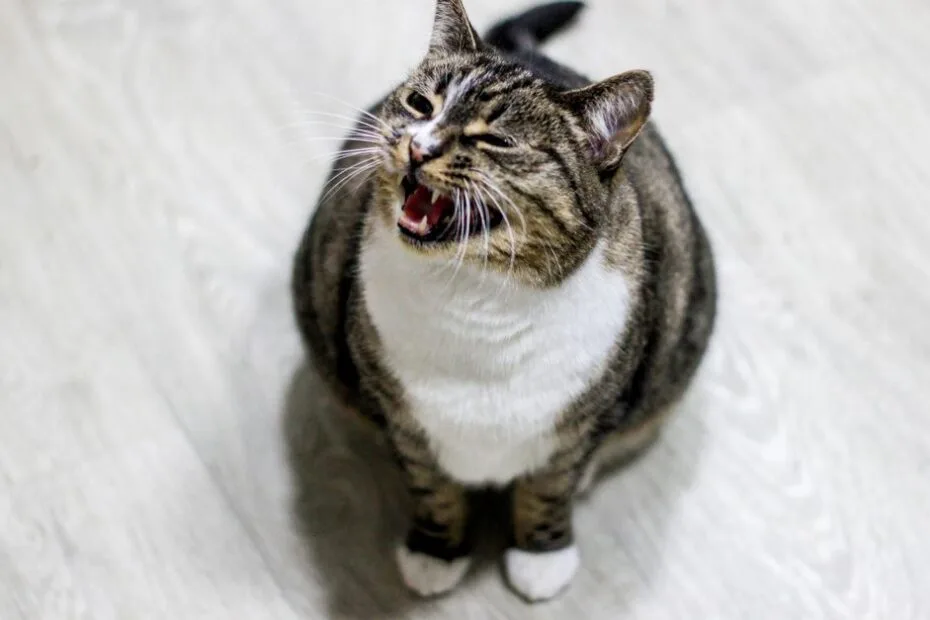
Cats meow so much mainly to communicate with you — asking for food or attention, greeting you, or signalling stress, boredom, or a health problem. Interestingly, adult cats rarely meow at each other; meowing is a language they developed largely for humans. Here’s how to decode it and calm the noise.
Key Takeaways
- Meowing is aimed at humans — cats mostly don’t meow at other cats.
- Common reasons: hunger, attention, greeting, boredom, stress.
- A sudden change in meowing can signal a health issue — see a vet.
- Older cats may meow more due to cognitive decline.
- Don’t reward the noise — enrich, and respond to calm instead.
Why is my cat meowing so much?
If your cat seems to have a lot to say, it’s talking to you on purpose.
Meowing is a cat’s main vocal tool for getting human attention — to be fed, greeted, let in or out, or simply noticed.
Also Read
-
How to Stop a Cat Scratching Furniture: The Reroute, the Placement Law, and the Specs

-
How to Crate Train a Dog: The Four Stages, the Whining Tree, and the Physiology Table

-
Back to School With Pets: The Two-Week Taper, the Alone-Time Rebuild, and the Distress Line

-
The Complete Dog & Cat Training Guide: Positive Reinforcement That Works

Some meowing is completely normal, but a noticeable increase usually has a specific cause worth identifying.
The video below from renowned cat behaviorist Jackson Galaxy breaks down the main reasons cats over-vocalize.
Do cats meow at each other, or just at us?
Here’s the surprising part: meowing is mostly for humans.
Adult cats communicate with one another largely through scent, body language and other sounds — kittens meow to their mothers, but grown cats reserve the meow for us.
In other words, your cat learned that meowing gets you to respond, and built a whole vocabulary around it.
Meowing for food or attention
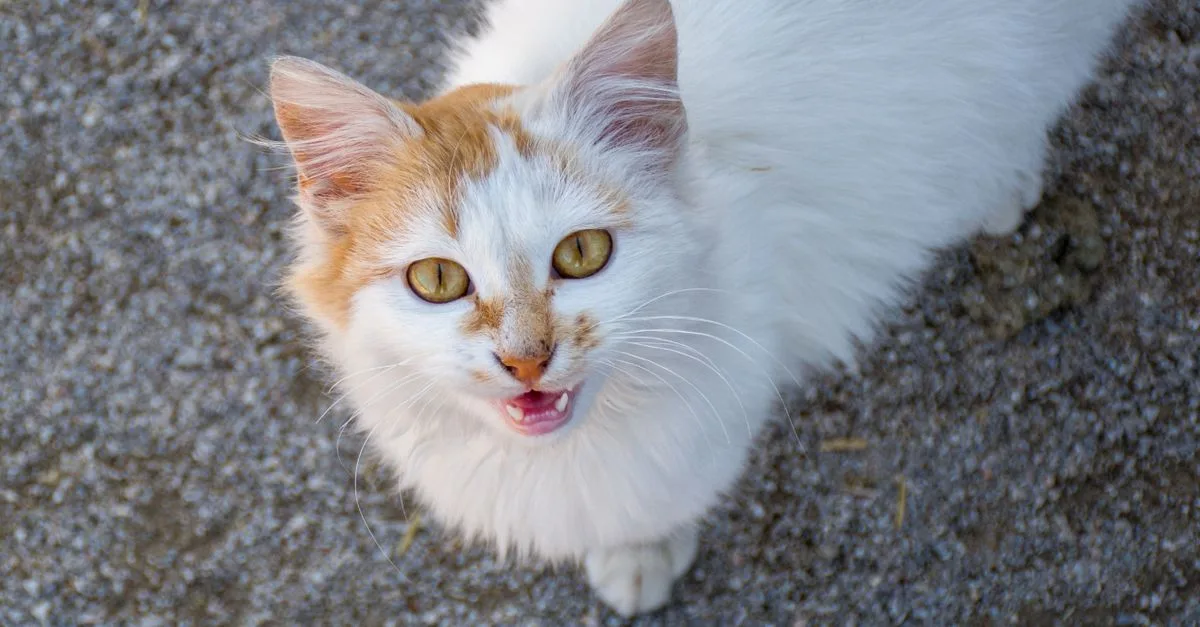
The number-one reason is simple: your cat wants something.
Food is the classic trigger — many cats become vocal alarm clocks around mealtimes. Attention, play, and access to a room or window are close behind.
If the meowing stops the moment the need is met, you’ve found your answer.
Greeting meows
Some meows are just a friendly “hello.”
Many cats greet their humans with a little chirp or meow when you come home or walk into the room — a social nicety, not a complaint.
These greeting meows are a lovely sign your cat is glad you’re around.
Meowing from boredom or loneliness
An under-stimulated cat will often get loud.
Cats left alone for long stretches, or without enough play and enrichment, may meow simply for something to do or someone to interact with.
More play, toys and vertical space usually quiet a bored cat. Our roundup of the best cat toys is a good place to start.
Meowing from stress or anxiety
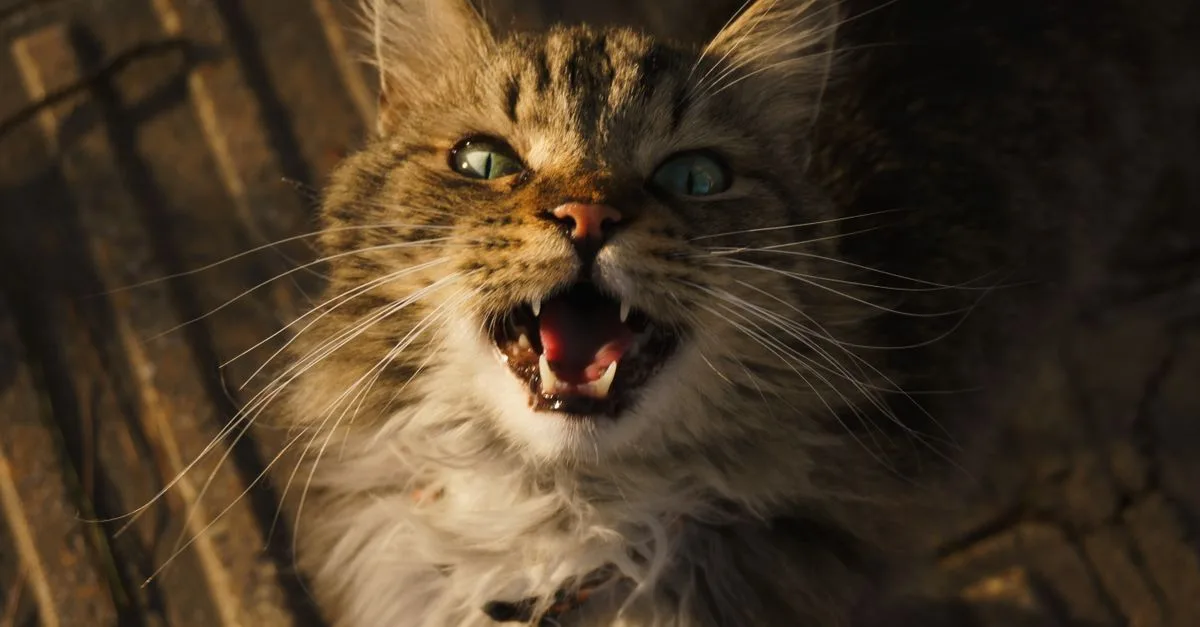
Change is stressful for cats, and stress can be noisy.
A move, a new pet or person, rearranged furniture, or a shift in routine can all trigger anxious, insistent meowing.
Reassurance, consistency, and safe hiding and climbing spots help a stressed cat feel secure again.
Meowing due to a health problem
Sometimes extra meowing is your cat telling you it doesn’t feel well.
Conditions like an overactive thyroid, high blood pressure, pain, or discomfort can all increase vocalization, sometimes with a different, more urgent tone.
Any sudden or dramatic change in meowing deserves a vet visit. Our guide to common signs of illness in pets can help you spot other clues.
Meowing in older cats
Senior cats often become more vocal, especially at night.
Age-related cognitive decline (a bit like dementia) can leave older cats confused or disoriented, leading to loud, plaintive meowing.
A vet can rule out medical causes and suggest ways to keep an older cat comfortable and reassured.
Meowing in unspayed cats
Intense, persistent yowling in an unspayed or unneutered cat is often about mating.
Females in heat and males detecting them can be extremely vocal, day and night, until the cycle passes.
Spaying or neutering typically resolves this, along with other benefits — ask your vet.
Do some breeds meow more than others?
Absolutely — talkativeness is partly in the genes.
Breeds like the Siamese and other Oriental types are famously chatty, while some cats are naturally quiet.
If you have a vocal breed, a fair amount of meowing is simply their personality, not a problem to fix.
Why does my cat meow at night?
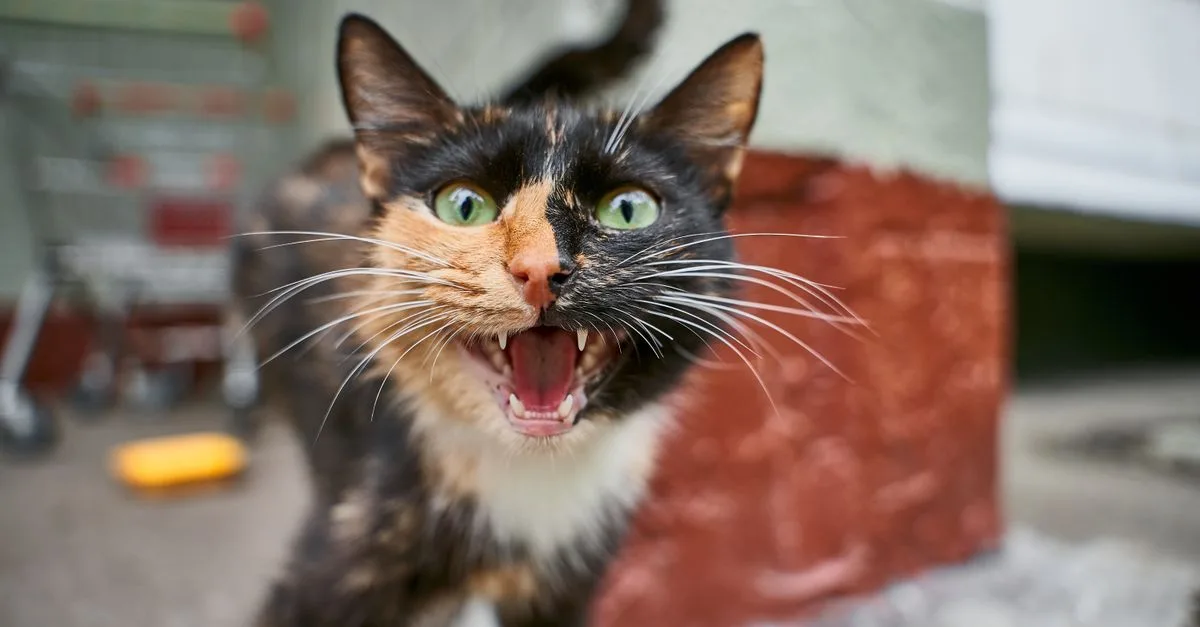
Nighttime meowing is a common complaint.
Cats are naturally most active at dawn and dusk, so they may wake wanting food, play or company. Boredom, hunger and, in older cats, confusion all feed nighttime yowling.
A good play session and a meal before bed often help everyone sleep better.
Why does my cat meow constantly?
Near-constant meowing usually means an unmet need or a change worth investigating.
Work through the checklist: is your cat hungry, bored, stressed, in heat, older, or possibly unwell? The pattern and timing point to the cause.
If nothing obvious fits, or it’s a sudden change, a vet visit is the sensible next step.
When should you see a vet?
See your vet if your cat’s meowing changes suddenly, becomes constant, or comes with other symptoms.
Watch for changes in appetite, weight, litter-box habits, energy, or a distressed tone — these can point to a treatable medical issue.
Ruling out health problems first is always wise. This article is general information, not veterinary advice.
How to reduce excessive meowing
Once health is ruled out, focus on meeting needs and not rewarding the noise.
Feed on a reliable schedule, provide plenty of play and enrichment, and give attention when your cat is quiet — not when it’s yelling.
Consistency from the whole household is what makes this work.
Should you respond to your cat’s meowing?
Respond to needs, but be careful not to train the meow.
If you jump up every time your cat meows for food or attention, you teach it that meowing works — so it does it more.
Meet genuine needs, then reward calm, quiet behavior with the attention your cat craves.
Products that can help
Enrichment is your best tool against boredom-driven meowing.
Rotate interactive toys, add a cat tree for climbing and watching, and consider a puzzle feeder to keep a food-focused cat busy.
See our picks for interactive cat toys and cat trees, or browse interactive cat toys on Amazon.
How to enrich your cat’s environment
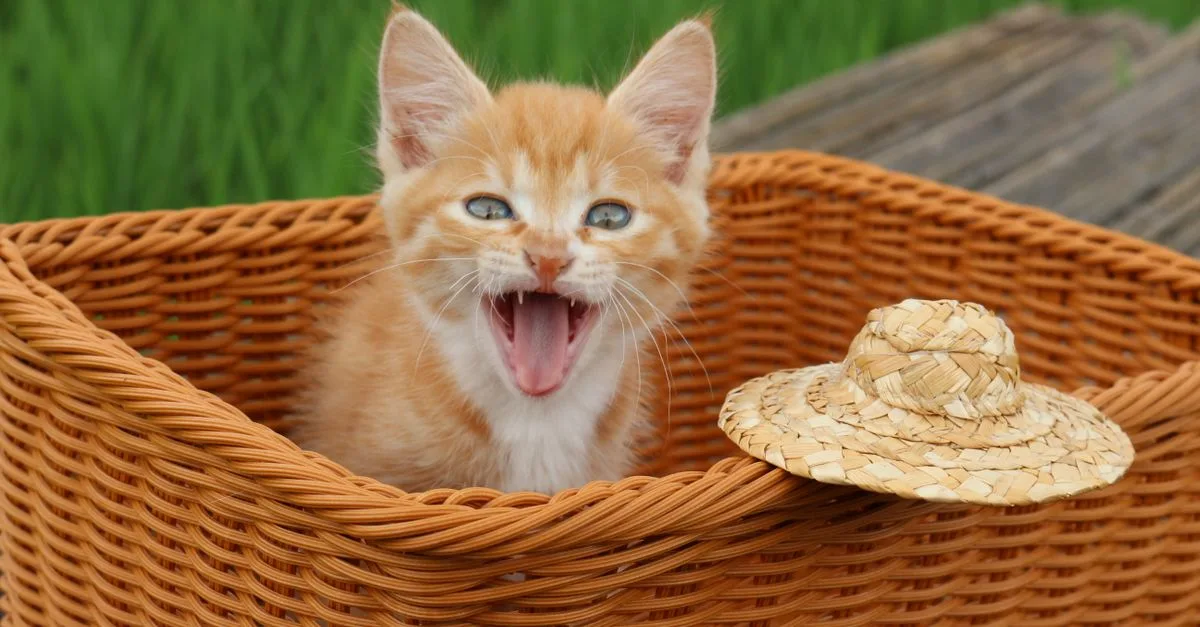
A stimulated cat is a quieter, happier cat.
Offer vertical space, window perches for “cat TV,” daily play that mimics hunting, and scratching options. Our guide to why cats knead touches on their comfort needs too.
Meeting these instincts reduces attention-seeking and stress meowing alike.
What not to do about meowing
Avoid the approaches that backfire.
Never punish or shout at a meowing cat — it increases stress and damages trust. And don’t ignore a sudden change in meowing, which can mask a health issue.
Patience and problem-solving beat frustration every time.
Common mistakes owners make
- Feeding on demand every time the cat meows, reinforcing it.
- Punishing the noise, which raises stress and vocalization.
- Overlooking a sudden change that could be medical.
- Too little play, leaving a bored cat to complain.
- Assuming it’s “just talkative” without ruling out causes.
Why does my cat meow at the door?
Door meowing is a classic request.
Your cat may want to go out, come in, or simply follow you into a closed room — cats hate being shut out of “their” territory.
Consistent responses, and not always giving in, help manage this over time.
Why does my cat meow when I leave the room?
This is often attachment and a dislike of being left out.
Some cats are closely bonded and vocalize when separated, following you around the house narrating the journey.
Enrichment and gentle independence-building help a clingy cat feel more secure alone.
Do cats meow more as they get older?
Frequently, yes.
Senior cats may meow more due to reduced hearing, disorientation, or age-related cognitive decline, often worse at night.
A vet can rule out medical causes and suggest comfort measures for an aging, vocal cat.
Why does my kitten meow so much?
Kittens are naturally vocal little communicators.
Away from their mother and littermates, they meow for food, warmth, comfort and attention as they settle into a new home.
Most quiet down as they grow, especially with reassurance, routine and play.
Is it bad to ignore a meowing cat?
It depends what the meow is for.
Never ignore a meow that might signal distress or illness. But for attention or demand meowing, calmly not rewarding it — while meeting real needs on a schedule — is the right call.
The skill is telling the two apart.
Why does my cat meow around the litter box?
Meowing at the litter box can be a red flag.
While some cats simply announce themselves, vocalizing with straining or frequent trips can signal a urinary problem or constipation — which can be an emergency in male cats.
Any litter-box distress deserves a prompt vet call.
Does having more cats mean more meowing?
Not necessarily.
Meowing is aimed at humans, so a second cat won’t automatically double the noise — and companionship can ease boredom meowing.
That said, an unhappy multi-cat dynamic can create stress vocalization, so harmony matters.
What if my cat’s meow suddenly changes or disappears?
A sudden change in the sound of the meow is worth noting.
A hoarse, weak, or absent meow can point to a throat, respiratory, or other health issue.
If your cat’s voice changes markedly, have your vet take a look.
How do you respond without reinforcing demand meowing?
Timing is everything.
Wait for a pause in the meowing before giving food or attention, so you reward quiet rather than noise. Keep feeding times consistent so your cat isn’t guessing.
It takes patience, but cats learn what works — so make quiet the thing that works.
Should you talk back to your cat?
It can actually strengthen your bond.
Many cats enjoy the back-and-forth, and answering calm greeting meows deepens your connection.
Just be mindful not to answer demanding meows in a way that trains more of them.
Why does my cat meow and lead me somewhere?
Cats are surprisingly good at “showing” us what they want.
A cat that meows then trots toward the food bowl, the door, or an empty water dish is directing you — clever, learned behavior.
Following once to check for a genuine need, like an empty bowl or a litter issue, is worth it.
Is a talkative cat a happy cat?
Often, yes — especially with greeting and conversational meows.
A chatty cat that’s eating, playing and relaxed is usually just sociable and secure.
It’s a change from your cat’s normal chattiness — suddenly much more or much less — that signals something to look into.
Frequently Asked Questions
Why is my cat meowing so much all of a sudden?
A sudden increase in meowing usually has a trigger: hunger, a change in routine or environment, stress, or a health problem. Because a dramatic change can signal illness — especially in older cats — it’s worth a vet check if you can’t identify an obvious, harmless cause.
Do cats meow to communicate with other cats?
Mostly no. Adult cats communicate with each other through scent and body language, not meowing. Kittens meow to their mothers, but grown cats largely reserve the meow for humans, having learned it’s an effective way to get our attention and responses.
Why does my cat meow so much at night?
Cats are naturally most active at dawn and dusk, so they may wake wanting food, play or company. Boredom, hunger, and in older cats confusion or cognitive decline all fuel nighttime meowing. A good play session and a meal before bed often reduce it.
Should I ignore my cat when it meows?
Meet genuine needs, but avoid rewarding the meow itself. If you respond every time your cat yells for food or attention, you teach it that meowing works. Instead, feed on a schedule, provide enrichment, and give attention when your cat is calm and quiet.
Can excessive meowing mean my cat is sick?
Yes. Conditions such as an overactive thyroid, high blood pressure, pain or discomfort can increase vocalization, sometimes with a more urgent tone. Any sudden or dramatic change in meowing, especially with changes in appetite, weight or litter habits, warrants a vet visit.
Do some cat breeds meow more than others?
Yes. Talkativeness is partly genetic. Breeds like the Siamese and other Oriental types are famously vocal, while some cats are naturally quiet. If you have a chatty breed, a fair amount of meowing is simply personality rather than a problem to solve.
How do I get my cat to stop meowing so much?
First rule out health issues with your vet. Then feed on a consistent schedule, provide plenty of play and enrichment, give attention when your cat is quiet rather than when it meows, and never punish the noise. Consistency from everyone in the home is key.
The bottom line
Your cat’s meows are a language aimed squarely at you — usually asking for food, attention or comfort, and occasionally flagging stress or illness.
Decode the pattern, meet the real need, reward calm over noise, and rule out health problems when meowing changes suddenly.
New to cats? Start with our complete pet care guide, then enrich their world with our best cat toys.

Hello! I'm Khan Hisham, a dedicated student with a profound passion for enhancing the lives of pets through comprehensive care. At Pawspera, our mission—"Prospering Pets, Every Day"—drives everything we do. We are committed to providing the latest insights, tips, and products that ensure your pet's health and happiness. Join us at Pawspera as we explore innovative ways to care for our furry friends with love and dedication.