“Am I feeding my dog the right amount?” is one of the most common questions dog owners have — and getting it right matters more than you might think. Overfeeding is the leading cause of canine obesity, which shortens lives and strains joints; underfeeding leaves dogs hungry and lacking nutrients. The tricky part is that there is no single magic number — the right amount depends on your dog. Here is how to figure out exactly how much to feed your dog, and how to adjust as you go.
What Your Dog’s Portion Depends On
- Weight & size — a Chihuahua and a Labrador have very different needs.
- Age — puppies need more calories per pound; seniors usually need fewer.
- Activity level — a working or high-energy dog burns far more than a couch companion.
- The food itself — calorie density varies a lot between brands and formulas.
- Spay/neuter status & metabolism — these affect how many calories your dog needs.
Step 1: Start With the Bag
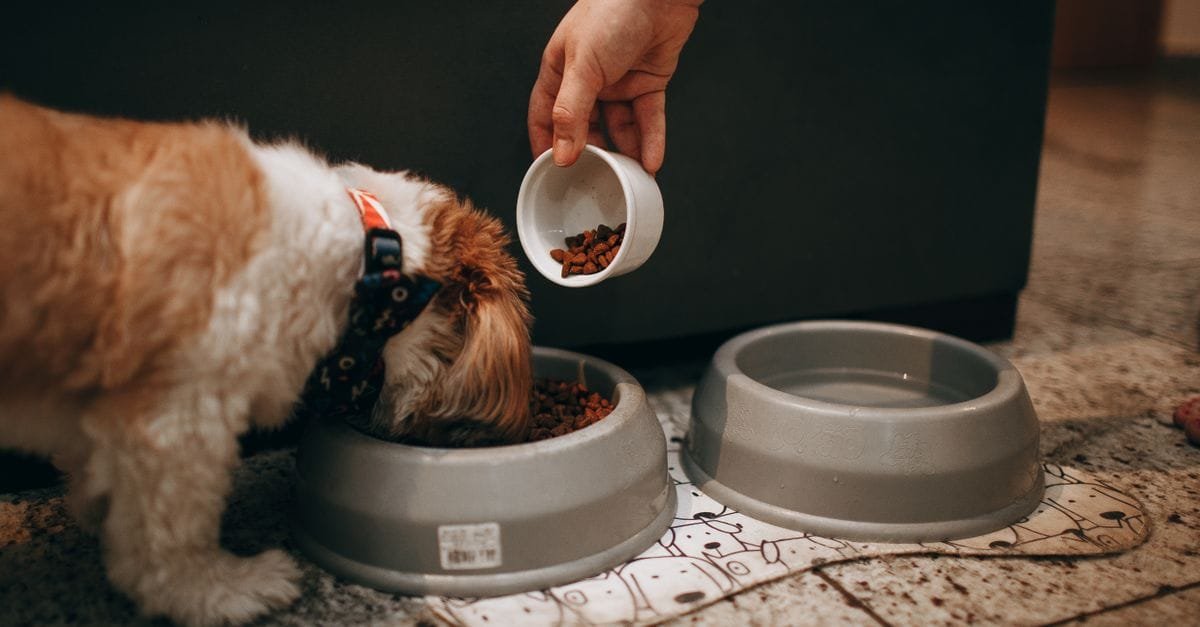
Every quality dog food has a feeding chart on the package, based on your dog’s weight. Start there — it is your baseline. Note that these charts give a daily total, so if you feed twice a day, split it in two. Measure with an actual measuring cup rather than eyeballing it; “a scoop” is how overfeeding sneaks in. For help choosing a quality food, see our dog food guide.
Step 2: Adjust to Your Dog’s Body
The feeding chart is a starting point, not gospel — your dog’s body condition is the real guide. Use this simple at-home check:
Also Read

- Ribs: you should be able to feel them easily with light pressure, but not see them sticking out.
- Waist: looking down from above, your dog should have a visible waist behind the ribs.
- Tuck: from the side, the belly should tuck up, not hang level or sag.
Can’t feel the ribs? Feed a little less. Ribs too prominent and no waist padding? Feed a little more. Adjust gradually — a 5–10% change — and reassess every couple of weeks.
Feeding by Life Stage
Puppies need more food relative to their size and more frequent meals (3–4 times a day when young, dropping to twice). Adults typically do well on two measured meals a day. Seniors are usually less active and need fewer calories to avoid weight gain — though some older dogs need easier-to-digest or higher-quality protein. When in doubt, your vet can pinpoint the right amount.
How Often Should You Feed?
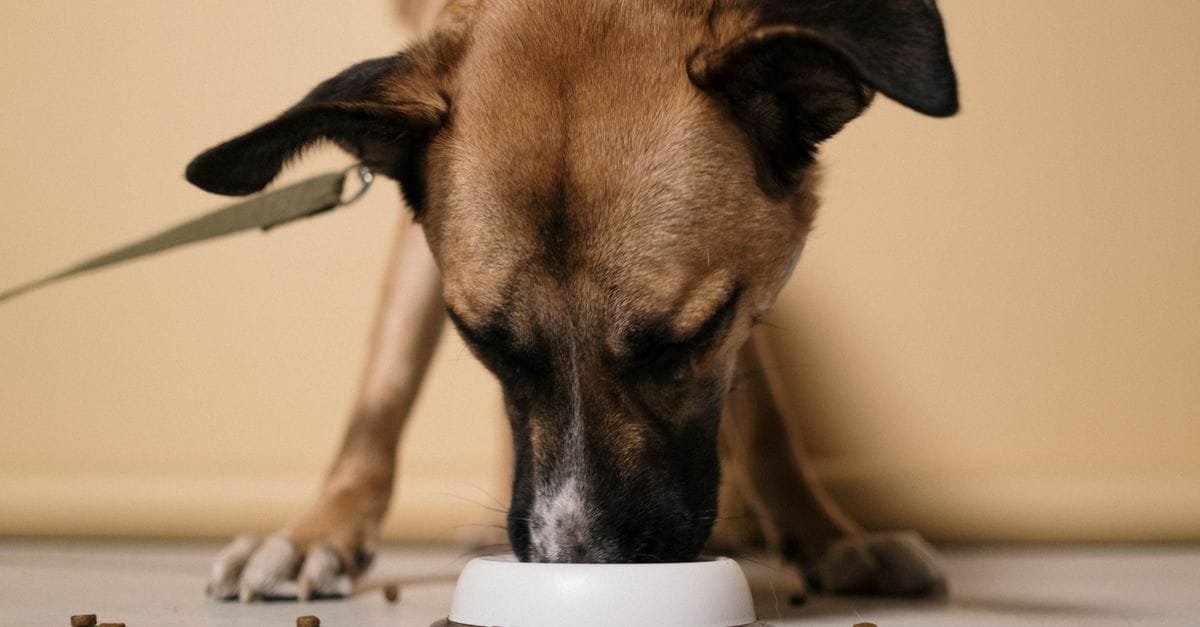
For most adult dogs, two meals a day (morning and evening) is ideal — it keeps energy steady and digestion comfortable. Avoid “free-feeding” (leaving food out all day): it makes portion control impossible, hides appetite changes that signal illness, and contributes to obesity.
Don’t Forget Treats Count
Treats and table scraps add up fast. Keep them to about 10% of daily calories, and mentally subtract them from meals on treat-heavy days. Those “just a little bite” moments are a big reason dogs gain weight without their owners noticing.
Common Feeding Mistakes
- Eyeballing portions — use a measuring cup or kitchen scale.
- Ignoring treats — they count toward the daily total.
- Free-feeding — makes weight and health hard to manage.
- Never adjusting — needs change with age, season, and activity; reassess regularly.
- Too many table scraps — rich human food adds calories and can upset stomachs.
Helping an Overweight Dog Slim Down
If your dog is carrying extra weight, you are not alone — it is one of the most common health issues in dogs, and it is very fixable. Start with a vet check to rule out medical causes and agree on a target weight. Then reduce portions gradually (crash diets are unhealthy), swap some kibble for low-calorie fillers like plain green beans so your dog still feels full, cut treats right back, and add a little more daily walking. Weigh your dog every couple of weeks and adjust slowly — safe weight loss is gradual. The payoff is huge: a lean dog lives longer, moves more easily, and has fewer joint and health problems.
Active and Working Dogs Need More
At the other end, highly active dogs — working breeds, running companions, dogs that play hard all day — burn far more calories and may need more food than the bag suggests, sometimes a performance or higher-calorie formula. Watch their body condition: if a very active dog is losing weight or looking lean, increase the food. Fuel should match the work they do.
Wet vs. Dry Food: Does It Change the Amount?
Yes. Wet food contains far more water, so it is less calorie-dense by weight than dry kibble — meaning your dog eats a larger volume for the same calories. If you feed wet food, or a mix of wet and dry, follow each product’s own feeding guide rather than assuming the amounts are interchangeable. When mixing, reduce the kibble portion accordingly so you don’t accidentally double up on calories. Whatever you feed, body condition remains your best real-world guide.
FAQ
How many times a day should I feed my dog?
Most adult dogs do best with two meals a day. Puppies need more frequent meals (3–4 when young).
How do I know if I’m feeding too much?
If you can’t easily feel your dog’s ribs and they have no visible waist, they are likely overweight — cut back gradually and reassess.
Should I free-feed (leave food out all day)?
It’s not recommended. Scheduled, measured meals help control weight and let you spot appetite changes that may signal illness.
The Takeaway
Start with the feeding guide on your dog’s food, then let their body be your guide: feel for ribs, look for a waist, and adjust in small steps. Feed measured meals twice a day, count treats toward the total, and reassess as your dog ages or their activity changes. Get this right and you give your dog one of the greatest gifts of all — a healthy weight and a longer, more comfortable life.