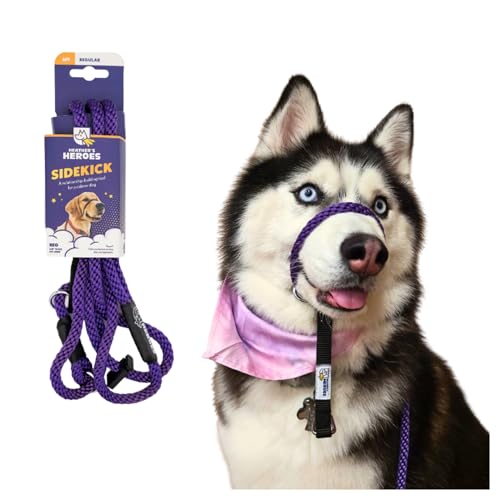
Training a dog is far easier with the right tools — not gimmicks or gadgets that promise miracles, but practical, humane aids that support good behavior and clear communication. From treat pouches to puzzle toys to the right kind of harness, the proper tools make training more effective and more enjoyable for you and your dog. This guide covers the dog behavior tools that actually work, how to use them, and the approach that ties them all together.
The Golden Rule: Tools Support Training, They Don’t Replace It
No tool trains a dog by itself. The foundation of good behavior is consistent, positive, reward-based training and clear communication. The best tools simply make that easier — they help you reward the right moments, manage your dog’s environment, and keep them mentally engaged. Approached this way, tools are a genuine help; relied on as shortcuts, they disappoint. Keep that in mind as you build your kit.
Tools That Genuinely Help
Treats & a Treat Pouch
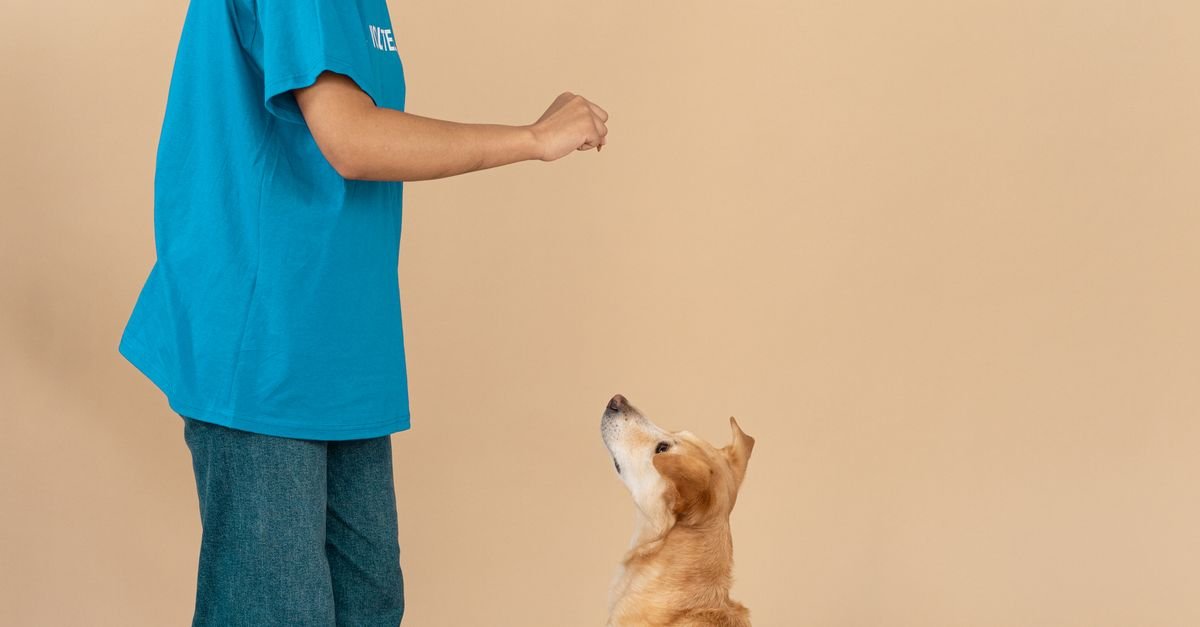
Reward-based training runs on timely treats. A treat pouch keeps rewards instantly accessible so you can mark good behavior the moment it happens — timing is everything in training. High-value treats are powerful motivators for learning new commands.
Also Read
-
How to Stop a Cat Scratching Furniture: The Reroute, the Placement Law, and the Specs

-
How to Crate Train a Dog: The Four Stages, the Whining Tree, and the Physiology Table
-
Back to School With Pets: The Two-Week Taper, the Alone-Time Rebuild, and the Distress Line

-
The Complete Dog & Cat Training Guide: Positive Reinforcement That Works

Clicker
A clicker makes a consistent sound that marks the exact instant your dog does something right, then you follow with a treat. This precise “yes!” signal speeds up learning and is a favorite of positive trainers.
The Right Harness or Leash
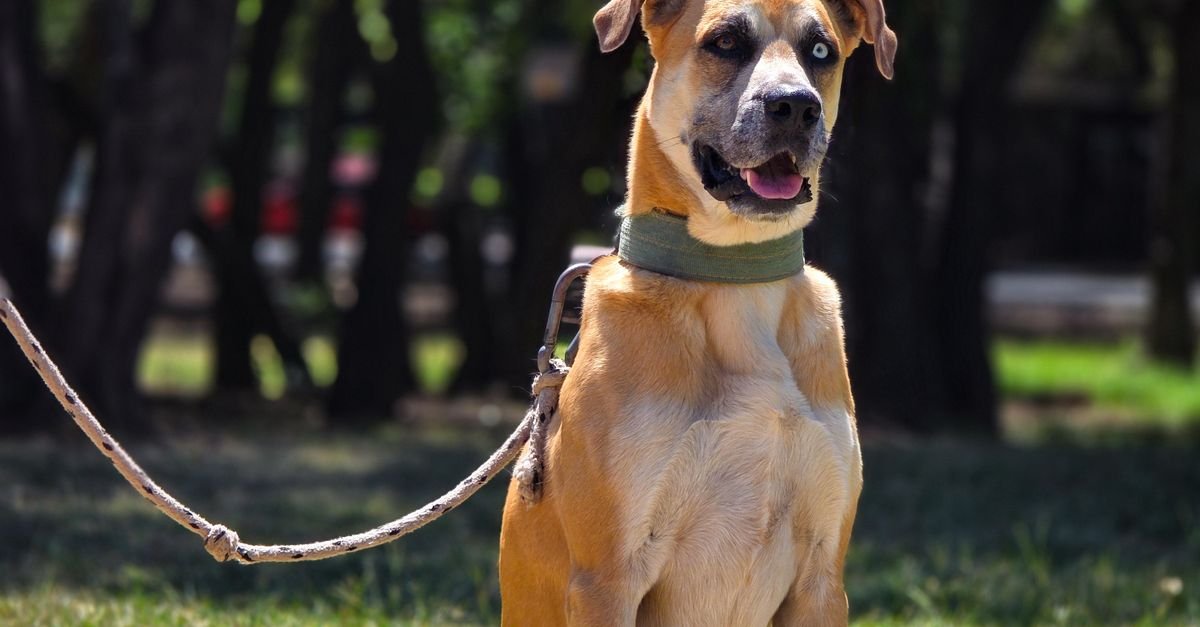
A well-fitted harness — especially a front-clip “no-pull” style — gives you gentle control and reduces pulling without hurting your dog, far better than choke or prong collars. Pair it with a standard leash for training walks.
Puzzle Toys & Enrichment
Many behavior problems come from boredom. Puzzle feeders, snuffle mats, and treat-dispensing toys channel energy into positive mental stimulation, reducing destructive behavior and keeping your dog calm and satisfied.
Dog training tools on Amazon
Humane, effective training aids:
Tools to Approach With Caution
Some “training” devices can do more harm than good. Choke chains, prong collars, and shock/e-collars can cause fear, pain, and anxiety, and may worsen behavior or damage your bond — most modern, humane trainers advise against them. If you’re tempted by aversive tools to solve a serious problem, that’s a sign to bring in a professional rather than escalate. Positive, reward-based methods are both kinder and more effective for the vast majority of dogs.
How to Use Training Tools Effectively
- Reward immediately — mark and treat good behavior the instant it happens.
- Be consistent — use the same cues and rules every time, and get the whole household on board.
- Keep sessions short and positive — a few minutes of fun, frequent practice beats long, frustrating sessions.
- Build gradually — master one behavior before adding the next.
- Stay patient — dogs learn at their own pace; frustration sets training back.
When to Get Professional Help
For serious issues — aggression, severe anxiety, reactivity, or behaviors you can’t make progress on — consult a qualified, positive-reinforcement dog trainer or a veterinary behaviorist. Some problems need expert guidance, and getting help early is far easier than undoing entrenched habits. A professional can also rule out any underlying medical cause for sudden behavior changes, which your vet should check.
Frequently Asked Questions
What tools do I need to train my dog?
The essentials are high-value treats and a treat pouch, optionally a clicker for precise marking, a well-fitted (ideally no-pull) harness and leash, and puzzle toys for mental stimulation. These support reward-based training effectively.
Are shock collars or prong collars good for training?
Most modern, humane trainers advise against them — they can cause fear, pain, and anxiety and may worsen behavior. Positive, reward-based methods are kinder and more effective for the vast majority of dogs.
What is a clicker and how does it help?
A clicker makes a consistent sound that marks the exact moment your dog does something right, followed by a treat. This precise signal speeds up learning by clearly communicating which behavior earned the reward.
How can I stop my dog pulling on the leash?
A front-clip no-pull harness gives gentle control, paired with reward-based training — stop when your dog pulls and reward loose-leash walking. For more, see our guide on leash training tools.
Key Takeaways
- Tools support training but don’t replace consistent, positive reinforcement.
- The genuinely useful kit: treats and a pouch, a clicker, a no-pull harness/leash, and puzzle toys.
- Avoid aversive tools like choke, prong, and shock collars — they can harm behavior and trust.
- Reward immediately, stay consistent, keep sessions short, and be patient.
- Seek a qualified positive trainer or vet behaviorist for serious issues like aggression or anxiety.
The right training tools, used with patience and positive reinforcement, make a real difference in your dog’s behavior — and your relationship. Build a simple, humane kit, stay consistent, and call in a pro when you need one. Explore more in our Pet Training & Behavior guides.

Hello! I'm Khan Hisham, a dedicated student with a profound passion for enhancing the lives of pets through comprehensive care. At Pawspera, our mission—"Prospering Pets, Every Day"—drives everything we do. We are committed to providing the latest insights, tips, and products that ensure your pet's health and happiness. Join us at Pawspera as we explore innovative ways to care for our furry friends with love and dedication.