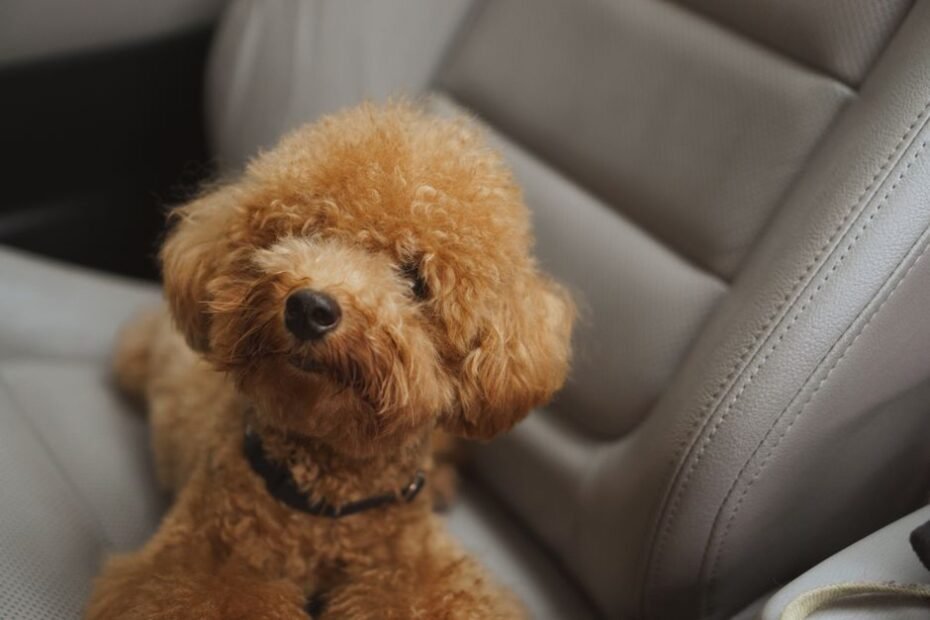
Here’s the statistic that changes how you drive with your dog: in a 35 mph crash, an unrestrained 60-pound dog becomes a 2,700-pound projectile. Dangerous for the dog, dangerous for everyone in the car.
A proper car harness or crash-tested restraint fixes that — and the everyday benefits arrive immediately: no more dog climbing into your lap on the motorway, no launch out the door the second it opens.
We compared car restraints on crash-test results, build quality, comfort, and real-world usability. Our top pick is the Sleepypod Clickit Sport — the harness that leads independent crash testing year after year.
Also Read
-
Best Cat Litter: The Five Types, the Unscented Law, and the Cat’s Vote

-
Best Kitten Toys: The Four Jobs, the Hands-Are-Never-Toys Law, and the Hunt Sequence

-
Best Dog Camping Gear: The Four Layers, the Backyard Test, and the Camp “Place”

-
Best Cat Tunnels: Portholes, the Crinkle Question, and Ambush Geometry That Gets Used

Here are the 10 best dog car harnesses and travel restraints for 2026 — for every ride, from the vet run to the road trip.
🚗 Key Takeaways
- An unrestrained dog in a crash endangers everyone in the car — and dogs distract drivers even without one.
- Best crash-tested: Sleepypod Clickit Sport. Best value: Kurgo Tru-Fit. Small dogs: a crash-tested carrier beats any harness.
- “Crash-tested” is mostly unregulated marketing — look specifically for Center for Pet Safety (CPS) certification.
- Never attach any car restraint to your dog’s neck collar — harness or carrier only, always in the back seat.
- Everyday walking harnesses are NOT crash protection — car harnesses use wider straps and stronger hardware for impact loads.
Gearing up for adventures? See our guides to the best collars & leashes and best dog boots.
In This Guide
- Why car restraint matters
- Restraint types explained
- What “crash-tested” really means
- How to choose
- Quick comparison table
- The 10 best car harnesses & restraints
- Getting your dog comfortable in the car
- Frequently asked questions
Why Car Restraint Matters
Three separate risks stack up when a dog rides loose. In a crash, physics turns them into a projectile that can injure themselves and human passengers severely. Before any crash, a loose dog is a proven distraction — surveys consistently find drivers admit to steering with a dog in their lap. And after any accident or even a fright, an unrestrained dog can bolt through an open door into traffic.
A restraint addresses all three. In several places it’s also the law — many US states and UK rules (Highway Code rule 57) require dogs suitably restrained in cars.
One rule above all: restraints attach to a harness or crate — never, ever to a neck collar. In any sudden stop, a collar attachment concentrates the entire force on the throat.
Restraint Types Explained
Crash-tested car harnesses — padded, wide-strap harnesses that connect to the seat belt system. The gold standard for medium and large dogs, protecting the dog and keeping them contained.
Seat belt tethers — short straps clipping a walking harness to the belt buckle or ISOFIX. They stop wandering and door-bolting but offer limited crash protection — containment, not safety gear.
Crash-tested carriers — small dogs are safest in a rigid, strapped-down carrier; harnesses simply don’t protect small bodies as well in impacts.
Vehicle crates — for large dogs and SUV boots, a properly anchored crash-rated crate (aluminium construction) is the strongest option of all.
Back seat hammocks — protect your seats and stop footwell falls, but provide zero crash restraint; combine with a tether or harness.
What “Crash-Tested” Really Means
There’s no mandatory government standard for pet restraints — any brand can print “crash-tested” on the box, even if the product failed the test. The label to actually trust is Center for Pet Safety (CPS) certification: an independent US nonprofit that crash-tests restraints with realistic dog dummies at child-seat standards and publishes results.
Only a handful of products have earned CPS certification — Sleepypod’s harnesses among them, repeatedly. When a listing says “crash-tested,” your question is: by whom, and where are the results?
How to Choose
Dog Size Decides the Category
Under ~18 lbs: a crash-tested carrier, strapped down, wins. 18–110 lbs: a certified car harness. Giant breeds and SUV households: an anchored crash-rated crate.
Daily Use vs Road Trips
A five-minute park run has different friction tolerance than a six-hour drive. Some certified harnesses double as walking harnesses (Clickit Sport) — one harness on, all day. Dedicated car-only gear suits occasional drivers.
Fit and Comfort
Crash protection only works when snug — measure girth carefully, follow the brand’s chart, and check the two-finger rule at chest straps. Padding matters for dogs who ride daily.
Your Car’s Anchors
Most harnesses use the seat belt itself; some add ISOFIX/LATCH attachment. Check what your back seat offers before buying.
Quick Comparison Table
| Restraint | Type | Best For |
|---|---|---|
| Sleepypod Clickit Sport | CPS-certified harness | Best overall |
| Kurgo Tru-Fit Enhanced | Tested harness | Best value |
| Sleepypod Air / Mobile Pet Bed | CPS carrier | Small dogs |
| EzyDog Drive | Tested harness | Premium alternative |
| Gunner Kennel G1 | Crash-rated crate | SUV / large dogs |
| Kurgo Seat Belt Tether | Tether | Budget containment |
| Ruffwear Load Up | Tested harness | Adventure dogs |
| 4Knines Back Seat Hammock | Hammock | Seat protection combo |
| PetSafe Happy Ride Booster | Booster seat | Tiny dogs who look out |
| Kurgo Backseat Barrier | Barrier | Front-seat jumpers |
The 10 Best Dog Car Harnesses & Restraints for 2026
1. Sleepypod Clickit Sport — Best Overall (CPS Certified)
The Clickit Sport is the harness the Center for Pet Safety keeps certifying — a genuinely crash-tested design with a wide padded vest that spreads impact forces across the chest, the strongest webbing in the category, and a three-point connection through your seat belt.
It doubles as an excellent walking harness, so travel days need no gear changes: harness on at home, clip into the car, clip onto the leash at the park.
If your dog rides in the car regularly, this is the one piece of safety gear worth full price.
- ✅ Repeatedly CPS-certified — the real deal
- ✅ Wide padded vest spreads crash forces
- ✅ Doubles as a quality walking harness
- ❌ Premium price; snug fit needs careful sizing
Best for: Medium and large dogs who ride regularly.
2. Kurgo Tru-Fit Enhanced Strength — Best Value
The Tru-Fit Enhanced brings crash-tested design (tested at MGA, a child-seat facility) to a much friendlier price: all-steel hardware, five adjustment points, a broad padded chest plate, and an included seat belt tether.
It’s also a solid everyday walking harness with front and back leash clips. Not CPS-certified like the Sleepypod, but a massive safety upgrade over a tether-on-walking-harness setup — at a price most owners will actually pay.
- ✅ Crash-tested design, steel hardware
- ✅ Includes seat belt tether; walks well too
- ✅ Excellent price for real safety gear
- ❌ Not CPS-certified (tested to lower bar than Sleepypod)
Best for: Real crash protection on a sensible budget.
3. Sleepypod Mobile Pet Bed / Air — Best for Small Dogs (CPS Certified)
Physics is blunt about small dogs: in a crash, a harness on a 8-pound body concentrates too much force on too small a frame. A crash-tested carrier — strapped down with the seat belt — protects them far better, and Sleepypod’s carriers are the CPS-certified standard.
The Mobile Pet Bed doubles as their everyday bed at home, which solves carrier anxiety brilliantly — the car just contains their normal safe place.
- ✅ CPS-certified — safest option for small dogs
- ✅ Doubles as their everyday bed (less anxiety)
- ✅ Belt-secured, plush, well-ventilated
- ❌ Premium price; adds bulk to the back seat
Best for: Dogs and cats under ~18 lbs.
4. EzyDog Drive — Best Premium Alternative
Australia’s EzyDog built the Drive specifically for the car: independently crash-tested (to Australian standards, up to 75 lbs), a rigid EVA chest plate that distributes force, and a clever design that threads the seat belt directly through the harness — no extra tether hardware to fail.
Fit and finish are superb, and the direct-belt design is quick once you’ve done it twice. A genuine top-tier rival to the Clickit.
- ✅ Independently crash-tested to 75 lbs
- ✅ Rigid chest plate spreads impact
- ✅ Direct seat-belt integration, no tether links
- ❌ Car-focused — bulkier as a walking harness
Best for: A premium certified option with unique engineering.
5. Gunner Kennel G1 — Best Crash-Rated Crate
For large dogs, SUV boots, and serious road-trippers, nothing protects like a Gunner: double-walled rotomolded construction that CPS crash-certified and that has survived documented real-world highway accidents with dogs unharmed.
Strapped down with its tie-down kit, it’s the Volvo of dog transport — massively overbuilt, lifetime-warrantied, and priced accordingly. For hunting dogs, big breeds, and frequent highway miles, it’s the endgame.
- ✅ CPS-certified crate — the strongest option, period
- ✅ Survives real-world crashes documented
- ✅ Lifetime warranty, superb ventilation
- ❌ Heavy, bulky, and premium-priced
Best for: Large dogs, SUVs, and maximum protection.
6. Kurgo Direct-to-Seatbelt Tether — Best Budget Containment
The honest budget move: a carabiner-to-buckle tether that clips your dog’s existing walking harness to the seat belt receiver. It stops seat-hopping, lap-climbing, and door-bolting for the price of a pizza.
Be clear-eyed about what it is: containment and distraction prevention, not crash protection — a walking harness isn’t built for impact loads. It’s the right pick for short, slow local trips and as the “at least this” baseline in a second car.
- ✅ Very cheap, instantly effective containment
- ✅ Stops distraction and door-bolting
- ✅ Fits any harness, any car
- ❌ NOT crash protection — containment only
Best for: Short local trips and second-car backup.
7. Ruffwear Load Up — Best for Adventure Dogs
Ruffwear’s car harness brings trail-brand build quality to vehicle safety: strength-rated hardware, a padded structure tested at a dynamic crash facility, and the bombproof construction Ruffwear owners expect.
It pairs naturally with an adventure-dog life — drive to the trailhead restrained, swap to the Front Range at the door. For dogs who live in the back of a Subaru, this is the matching safety kit.
- ✅ Dynamically tested, strength-rated hardware
- ✅ Ruffwear durability and fit
- ✅ Quick belt integration
- ❌ Upper-mid price; car-specific fit
Best for: Outdoorsy dogs and trailhead drives.
8. 4Knines Back Seat Hammock — Best Seat Protection Combo
The 4Knines hammock is the comfort-and-cleanliness layer: quilted, waterproof, non-slip cover that shields your seats from hair and mud while preventing the dangerous footwell tumble during braking.
It has seat belt openings, so pair it with a harness or tether — hammock for comfort and car protection, restraint for safety. Together they’re the complete back-seat setup.
- ✅ Protects seats, blocks footwell falls
- ✅ Seat belt openings — pairs with any harness
- ✅ Waterproof, machine washable, non-slip
- ❌ Zero crash restraint by itself
Best for: Completing the setup — comfort plus clean seats.
9. PetSafe Happy Ride Booster — Best for Tiny Window-Watchers
Small dogs who cry unless they can see out get their answer: an elevated booster seat that secures to the back seat, with an internal tether clipping to their harness. They watch the world; the tether keeps them in place.
It’s a containment-plus-comfort option rather than certified crash gear (the Sleepypod carrier is the safer choice), but for anxious little co-pilots on local trips, it transforms car behaviour.
- ✅ Elevated view calms anxious small dogs
- ✅ Internal harness tether included
- ✅ Cosy, washable liner
- ❌ Comfort gear, not certified crash protection
Best for: Tiny dogs who need to see out.
10. Kurgo Backseat Barrier — Best for Front-Seat Invaders
For dogs whose mission is your lap at 70 mph, this mesh barrier walls off the front cabin. It installs between the front seats in minutes and simply removes the invasion option.
Like the hammock, it’s a distraction-eliminator to combine with a restraint — but as the fix for the specific “dog in the driver’s footwell” problem, nothing is simpler or more effective.
- ✅ Ends front-seat invasions immediately
- ✅ Quick, tool-free install
- ✅ Cheap and effective
- ❌ Not a restraint — pair with a tether or harness
Best for: Dogs who think the driver’s lap is a seat.
Getting Your Dog Comfortable in the Car
- Fit the harness at home first. Let them wear the car harness around the house with treats before it ever means “car.”
- Start with the engine off. Clip in, treat, unclip, done. Then engine on, no driving. Then around the block. Escalate only past calm.
- Back seat, always. Airbags are calibrated for adult humans — a front-seat airbag can seriously injure even a restrained dog.
- Make the destination worth it. If the car only ever goes to the vet, the car is the enemy. Mix in park trips so the odds favour fun.
- Mind the heat, every time. Never leave a dog in a parked car in warm weather — cabin temperatures turn lethal in minutes, cracked windows or not.
- Check fit monthly. Like all gear — straps loosen, dogs change shape, hardware wears. A snug harness is a working harness.
Frequently Asked Questions
Does my dog legally have to be restrained in the car?
Increasingly, yes. In the UK, Highway Code rule 57 requires animals suitably restrained (seat belt harness, carrier, or crate) — and unrestrained-dog accidents can void insurance and bring careless-driving charges. Several US states have restraint or anti-lap-dog laws, and more add them yearly.
Even where it’s not explicit law, an unrestrained dog contributing to an accident creates liability. The safety case settles the question anyway.
Is “crash-tested” on the box trustworthy?
Not by itself — there’s no mandatory standard, so brands can crash-test a product, watch it fail, and still print “crash-tested” truthfully. The phrase describes the test happening, not the result.
Look for Center for Pet Safety (CPS) certification specifically — independent, published, pass/fail testing. Sleepypod and Gunner hold current certifications; for anything else, ask the brand to show their test footage and results.
Can I just clip the seat belt to my dog’s walking harness?
It’s far better than a loose dog — it stops distraction and bolting — but understand the limit: walking harnesses use narrow straps and hardware never designed for impact forces. In a real crash, they commonly break or injure.
Treat tether-plus-walking-harness as containment for short local trips, and upgrade to a crash-tested harness for regular or highway driving. And never clip any car tether to a neck collar.
Front seat or back seat?
Back seat, full stop. Front airbags deploy with force calibrated for adult humans and can severely injure a dog even in a restraint. The centre rear position is the sweet spot — furthest from side impacts.
For SUVs and estates, a properly anchored crate in the boot area (behind the rear seats) is equally correct and often best for large dogs.
What’s actually safest for a small dog?
A crash-tested carrier, strapped down — not a harness. Small bodies concentrate crash forces over tiny frames, and testing consistently shows carriers protect them better. The Sleepypod carriers are the CPS-certified benchmark.
Secure it with the seat belt on the back seat (never loose, never front seat), and let it double as their home bed so the carrier means comfort, not vet visits.
My dog cries or paces the whole drive — will a restraint make it worse?
Usually the opposite, after adjustment. Much car anxiety is instability — sliding on turns and braking is genuinely unsettling. A snug harness or carrier gives a stable, predictable position, and many restless dogs settle within a few trips.
Pair the gear with gradual training (engine-off sessions first, short fun trips), and for severe cases, your vet can advise on anxiety support. For motion-sick dogs, an empty stomach and forward-facing position help too.
How tight should a car harness be?
Same as walking gear: two fingers flat under any strap, no more. Loose is the killer detail in crash gear — slack lets the dog accelerate before the harness catches, multiplying forces. Follow the brand’s girth chart exactly; between sizes, contact the maker rather than guessing.
Recheck monthly and after every wash — webbing settles and adjusters creep.
Are car crates better than harnesses?
For large dogs in SUVs and for maximum protection: yes — a crash-rated, properly anchored crate (Gunner G1 class) is the strongest option tested. The crate absorbs and spreads forces no harness can.
The catch is practical: they’re heavy, bulky, expensive, and need the right vehicle space. For sedans and everyday errands, a CPS-certified harness is the realistic best — and vastly better than nothing, which is what most dogs currently ride with.
The Bottom Line
Restraining your dog in the car is one of those habits — like their own seat belt was for us — that seems optional right up until the day it isn’t.
The Sleepypod Clickit Sport is the certified harness to buy for regular riders. Go Kurgo Tru-Fit for value, a Sleepypod carrier for small dogs, the Gunner G1 for large dogs and long highway miles, and at minimum a tether for the short trips. Back seat always, harness never collar, fit it snug — and drive knowing everyone in the car is coming home safe.
Shop Dog Car Harnesses on Amazon →

Hello! I'm Khan Hisham, a dedicated student with a profound passion for enhancing the lives of pets through comprehensive care. At Pawspera, our mission—"Prospering Pets, Every Day"—drives everything we do. We are committed to providing the latest insights, tips, and products that ensure your pet's health and happiness. Join us at Pawspera as we explore innovative ways to care for our furry friends with love and dedication.