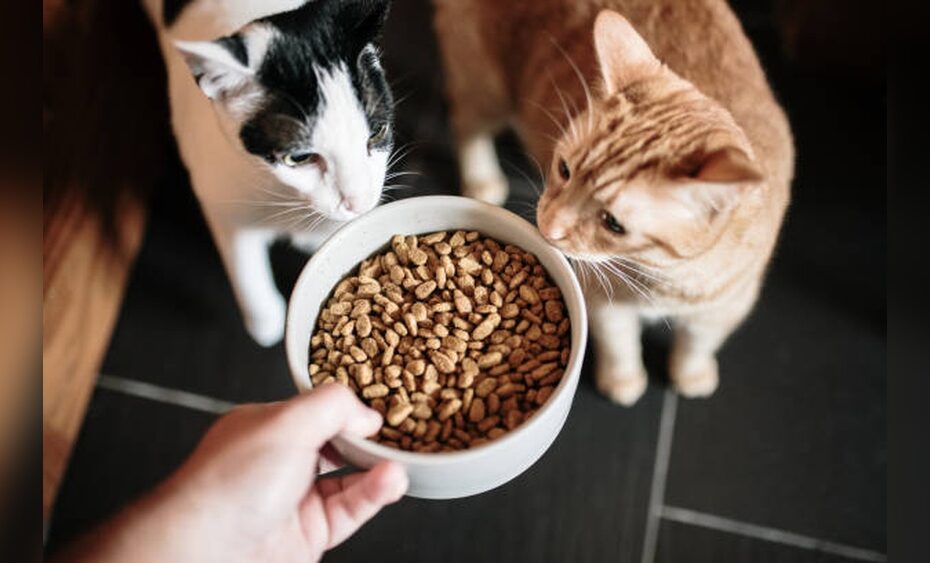
Choosing the best food for your cat is more important than you might think. What you feed your furry friend affects their health, energy, and happiness every single day.
But with so many options out there, how do you know which one is right? You want to give your cat the best, but it can feel overwhelming and confusing. Don’t worry—this guide will help you make smart choices that keep your cat thriving.
Keep reading to discover simple tips and important facts that will make feeding time easier and more rewarding for both of you.
Also Read


Nutritional Needs Of Cats
Cats need food that supports their health and energy. Their bodies require specific nutrients to work well. Understanding these needs helps you pick the right food. Feeding your cat properly keeps it happy and strong.
Essential Nutrients
Cats need protein from animal sources. This builds muscles and supports growth. Fat provides energy and helps absorb vitamins. Taurine is an important amino acid only found in meat. Without taurine, cats can get heart and eye problems. Vitamins and minerals keep the body balanced and healthy. Water is also key for hydration and organ function.
Life Stage Requirements
Kittens need more calories and protein for growth. Adult cats require balanced nutrition to maintain health. Senior cats may need fewer calories but more fiber. Life stage affects the type and amount of nutrients. Feeding the right food at each stage supports your cat’s needs.
Special Dietary Considerations
Some cats have allergies or sensitive stomachs. Others may need food for weight control or kidney health. Talk to a vet about special diets for your cat. Choosing food for special needs prevents health problems. Always watch your cat’s reaction to new food.

Credit: www.vetsupply.com.au
Types Of Cat Food
Cats need proper food to stay healthy and happy. Choosing the right type of food is key. Different types offer unique benefits and challenges. Understanding these can help you decide what suits your cat best.
Dry Food Benefits And Drawbacks
Dry cat food is easy to store and lasts long. It helps keep teeth clean by reducing plaque. Dry food is usually less expensive than wet food. It has a lower moisture content, which means cats need to drink water separately.
Some cats may not like the texture or taste. Dry food can be less nutritious if it contains fillers. It can cause dehydration if cats do not drink enough water.
Wet Food Pros And Cons
Wet food contains high moisture, which helps keep cats hydrated. It often tastes better to picky eaters. Wet food can support urinary tract health due to its water content. It usually has fewer carbohydrates than dry food.
Wet food is more expensive and spoils quickly once opened. It requires refrigeration and careful handling. Some cats may not like the smell or texture.
Raw And Homemade Diets
Raw and homemade diets can provide fresh ingredients and fewer additives. They allow full control over what your cat eats. Many owners choose this to avoid processed food chemicals.
These diets need careful preparation to avoid bacteria and nutrient imbalance. It can be time-consuming and expensive. Always consult a vet before switching to raw or homemade food.
Reading Cat Food Labels
Reading cat food labels helps you choose healthy food for your cat. Labels show what is inside the food. You find ingredients, nutrients, and other important details. Knowing how to read these labels helps you pick the best food for your pet’s needs.
Key Ingredients To Look For
Check the first few ingredients. They should be real meat or fish. Cats need protein from animal sources. Look for chicken, salmon, or turkey. Avoid foods with too many plant proteins. Whole grains, like rice or oats, are okay in small amounts.
Ingredients like named meats are better than vague terms. Words like “meat meal” mean concentrated protein. Avoid by-products or fillers listed first. These offer less nutrition for your cat.
Common Additives And Fillers
Fillers add bulk but little nutrition. Corn, wheat, and soy are common fillers. They can cause allergies or digestion issues. Artificial colors and flavors are not needed. Avoid preservatives like BHA, BHT, or ethoxyquin. Natural preservatives like vitamin E are safer.
Some additives support health, like taurine. Taurine is an essential amino acid for cats. It keeps their eyes and heart healthy. Look for foods that include important additives like this.
Understanding Nutritional Guarantees
Labels show guaranteed analysis of protein, fat, fiber, and moisture. Cats need high protein and moderate fat. Fiber should be low to help digestion. Check moisture; wet food has more water than dry food. The minimum protein should be around 30% for dry food.
Look for statements about meeting AAFCO standards. This means the food meets basic nutrition rules. Foods with these guarantees are safer choices. They give your cat the nutrients needed for a healthy life.
Choosing Food Based On Cat’s Health
Choosing the right food for your cat depends on its health needs. Cats have different health conditions that affect their diet. Feeding the right food helps keep them healthy and happy. Understanding your cat’s health is key to selecting the best food.
Weight Management
Weight affects your cat’s overall health. Overweight cats can develop serious problems like diabetes. Choose food with controlled calories and good protein. Foods with fewer fats and more fiber help cats feel full. Regular feeding schedules also support healthy weight.
Allergies And Sensitivities
Some cats react to certain ingredients in food. Common allergens include beef, dairy, and grains. Select hypoallergenic or limited ingredient diets for sensitive cats. These foods reduce the risk of itching and digestive issues. Watch your cat closely for any signs of allergy.
Kidney And Urinary Health
Kidney and urinary problems are common in cats. Foods low in phosphorus and sodium help protect kidneys. Wet food can increase water intake and support urinary health. Avoid foods that cause crystal formation in the urinary tract. Always check with a vet for special dietary needs.
Tips For Transitioning Cat Food
Changing your cat’s food needs care and patience. Sudden switches can upset their stomach or cause refusal to eat. Follow simple steps to help your cat adapt smoothly to new food. This keeps them healthy and happy.
Gradual Introduction
Start by mixing a small amount of new food with the old. Slowly increase the new food over 7 to 10 days. This helps your cat’s digestive system adjust without stress. Keep the mix ratio steady each day.
Monitoring Reactions
Watch your cat for any signs of discomfort or allergies. Look for vomiting, diarrhea, or loss of appetite. Note changes in energy and behavior too. Early detection helps you decide if the food suits your cat.
Adjusting Portions
Feed the right amount to avoid overeating or hunger. Use the feeding guide on the food package as a start. Change portions based on your cat’s weight and activity level. Small meals multiple times a day work best.
Budget-friendly Healthy Options
Choosing healthy food for your cat does not mean spending a lot. Good nutrition can fit into a tight budget. Smart choices help your cat stay healthy without high costs. Focus on quality ingredients that offer real benefits. Many options balance nutrition and affordability well.
Affordable Brands With Quality Ingredients
Some brands offer healthy cat food at fair prices. Look for those with real meat listed first. Avoid fillers like corn and soy. Check labels for vitamins and minerals. These brands often use natural ingredients. They provide balanced nutrition without extra cost. Buying in bulk or larger bags can save money. Watch for sales and discounts at local stores.
Homemade Recipes On A Budget
Making cat food at home can be cheap and healthy. Simple recipes use chicken, rice, and vegetables. Always add a vitamin supplement for cats. Cooking at home lets you control ingredients. Avoid harmful foods like onions and garlic. Use lean meats and fresh produce. Preparing meals in batches saves time and money. Homemade food can improve your cat’s digestion and coat health.
Common Mistakes To Avoid
Choosing the right food for your cat is important. Many cat owners make simple mistakes that can harm their pet’s health. Knowing what to avoid helps keep your cat happy and healthy. Here are some common mistakes to watch out for.
Overfeeding And Obesity
Feeding your cat too much is a common problem. Cats can become overweight quickly. Obesity leads to health problems like diabetes and joint pain. Always measure the food and follow feeding guidelines. Avoid giving too many treats or scraps from your plate.
Ignoring Ingredient Quality
Not all cat foods are made the same. Some contain fillers and low-quality ingredients. Look for foods with real meat as the main ingredient. Avoid products with too many artificial additives or by-products. Good ingredients support your cat’s energy and coat health.
Neglecting Water Intake
Cats need enough water every day. Dry food alone does not provide enough moisture. Always offer fresh water in a clean bowl. Some cats prefer running water, so consider a cat water fountain. Proper hydration helps prevent kidney problems and urinary issues.

Credit: greencovepet.com
:strip_icc()/choosing-best-kitten-food-552267-hero-6278cb9383fe4ceda2ccf7f74acbdb8b.jpg)
Credit: www.thesprucepets.com
Frequently Asked Questions
What Ingredients Should I Look For In Cat Food?
Look for high-quality protein like chicken or fish as the main ingredient. Avoid fillers such as corn and soy. Essential nutrients like taurine and omega fatty acids support your cat’s health and vitality.
How Do I Choose Food For My Cat’s Age?
Kittens need nutrient-rich, calorie-dense food for growth. Adult cats require balanced maintenance diets. Senior cats benefit from foods that support joint health and lower calorie content to prevent obesity.
Can Wet Food Or Dry Food Be Better For Cats?
Wet food helps keep cats hydrated and is easier to digest. Dry food supports dental health and is more convenient. A mix of both can provide balanced nutrition and variety.
How Often Should I Feed My Cat Daily?
Feed adult cats two meals per day for consistent energy. Kittens need three to four smaller meals for steady growth. Adjust portions based on your cat’s activity and weight.
Conclusion
Choosing the best food for your cat helps keep them healthy and happy. Cats need food with good nutrients and the right balance. Always check the label for ingredients and nutritional value. Fresh water is just as important for your cat’s health.
Pay attention to your cat’s taste and any allergies. Regular vet visits can guide you to better food choices. Healthy food supports strong muscles, shiny fur, and good energy. Care for your cat by feeding them the best food every day.
Simple steps make a big difference in your cat’s life.