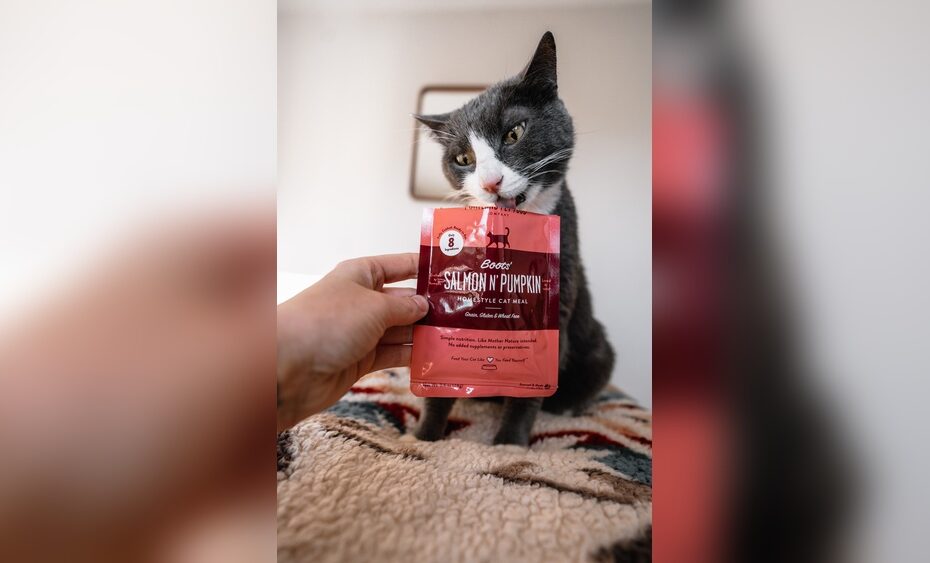
If your cat struggles with tummy troubles, you know how hard it can be to find the right food that soothes without upsetting. You want your furry friend to enjoy every meal and feel their best, but sensitive stomachs make that tricky.
What if choosing the right cat food could ease your worries and keep your pet happy and healthy? You’ll discover the best cat food options designed specifically for sensitive stomachs—helping you make a confident choice that supports your cat’s comfort and well-being.
Keep reading to find out how to turn mealtime into a stress-free moment for both you and your cat.
Also Read


Causes Of Sensitive Stomachs In Cats
Cats with sensitive stomachs often face discomfort that affects their health. Understanding the causes helps in choosing the right cat food. Sensitive stomachs result from many factors, including diet and health issues. Identifying these causes can improve your cat’s well-being.
Common Symptoms To Watch
Watch for vomiting and diarrhea as clear signs of stomach trouble. Your cat may also have gas or bloating. Loss of appetite and weight loss are common signals. Some cats show lethargy or appear more tired than usual. Early detection of these symptoms helps prevent serious problems.
Dietary Triggers And Allergies
Certain foods can upset a cat’s stomach. Ingredients like dairy, grains, or artificial additives often cause reactions. Food allergies or intolerances may lead to vomiting or diarrhea. Sudden diet changes can also cause stomach upset. Feeding a sensitive cat requires careful selection of gentle, simple ingredients.
Credit: www.businessinsider.com
Key Nutrients For Sensitive Cats
Sensitive cats need special care in their diet. Their stomachs react easily to certain foods. Choosing the right nutrients helps keep them healthy. It also reduces digestive problems and discomfort. These key nutrients support digestion and overall well-being.
Easily Digestible Proteins
Proteins are vital for cats, but some types cause upset stomachs. Easily digestible proteins break down fast and gentle. Examples include chicken, turkey, and fish. These proteins provide energy without stressing the digestive system. They help maintain muscle health and support growth.
Fiber And Prebiotics Benefits
Fiber helps regulate digestion and stool quality. Prebiotics feed good bacteria in the gut. This balance improves nutrient absorption and reduces inflammation. Sources like pumpkin and beet pulp offer natural fiber. They ease digestion and promote a healthy gut flora.
Limited Ingredient Formulas
Limited ingredient diets reduce the chance of allergic reactions. Fewer ingredients mean fewer triggers for sensitive stomachs. These formulas often focus on one protein and simple carbs. They simplify the digestive process and lower irritation risk. Good for cats with food sensitivities or allergies.
Top Wet Cat Foods For Sensitive Stomachs
Top wet cat foods for sensitive stomachs offer gentle nutrition and hydration. Wet foods contain more water, which helps cats stay hydrated and eases digestion. They often have fewer fillers and artificial ingredients, reducing the risk of stomach upset. Choosing the right wet food can soothe sensitive stomachs and improve your cat’s overall health.
High Moisture Content Advantages
Wet cat food has a high moisture level, usually around 75% or more. This helps keep your cat hydrated, especially if they do not drink much water. Proper hydration supports kidney health and aids digestion. Moist food is softer and easier to chew, which benefits cats with dental issues. The extra water content helps flush out toxins and reduces constipation risks.
Recommended Brands And Varieties
Several wet cat food brands focus on sensitive stomachs. Hill’s Science Diet Sensitive Stomach & Skin is made with easily digestible ingredients. Royal Canin Digest Sensitive provides balanced nutrition and supports gut health. Blue Buffalo Basics Limited Ingredient Diet uses simple formulas with one protein source. Wellness CORE Grain-Free offers high protein and no fillers. These options help reduce stomach irritation and promote comfort.
Best Dry Cat Foods For Gentle Digestion
Dry cat food can be gentle on sensitive stomachs if chosen carefully. Some dry foods help with digestion while keeping cats happy. They contain special ingredients that soothe the stomach and reduce discomfort. Feeding dry food with digestive support can improve your cat’s health and comfort.
These foods often have fiber, probiotics, and natural ingredients. They support a balanced gut and reduce inflammation. Cats with sensitive stomachs need food that is easy to digest and low in irritants. Dry cat food with these qualities can help maintain their well-being.
Crunchy Options With Digestive Support
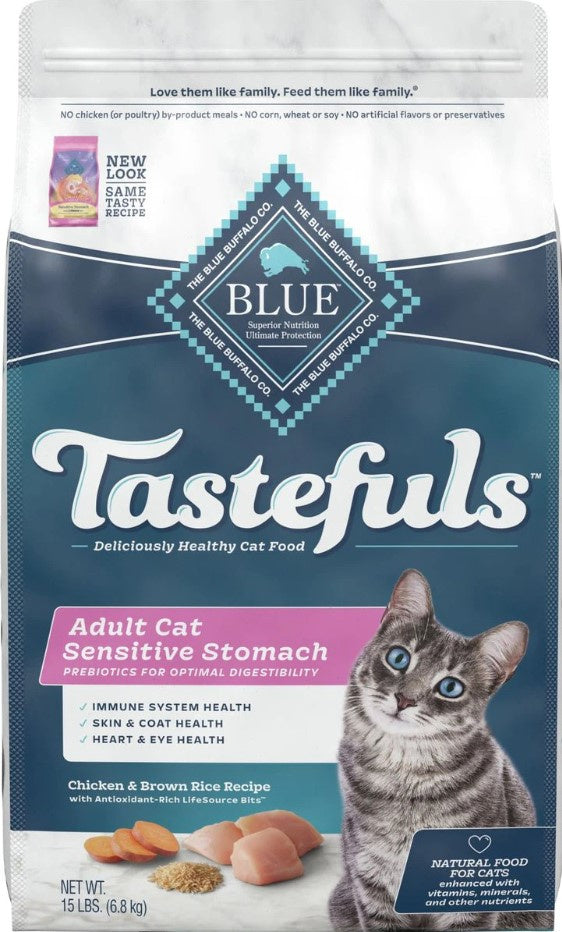
Crunchy dry cat foods can aid digestion with the right ingredients. Look for foods containing prebiotics and probiotics. These help good bacteria grow in the gut. Ingredients like pumpkin and beet pulp add fiber to support digestion. The crunchy texture also helps keep teeth clean. Cats enjoy the texture, making mealtime pleasant and healthy.
Some brands include enzymes to break down food better. These enzymes reduce stomach upset and gas. Selecting dry food with gentle proteins like chicken or turkey helps too. These proteins are less likely to cause allergic reactions. Crunchy foods with these benefits offer comfort and good nutrition.
Popular Grain-free Choices
Grain-free dry cat foods often suit cats with sensitive stomachs. Grains can sometimes cause allergies or stomach issues. Grain-free options use ingredients like peas, lentils, or potatoes. These provide energy without upsetting the stomach. Many cats digest grain-free food more easily and feel better.
These foods usually have higher protein content and fewer fillers. The simple recipes reduce the chance of irritation. Grain-free dry food can be a smart choice for sensitive cats. Always check the ingredient list for any allergens your cat may have.
Homemade Diets And Supplements
Homemade diets offer control over what your cat eats. Preparing food at home helps avoid harmful ingredients. This option suits cats with sensitive stomachs well. Supplements can improve digestion and nutrient absorption. They support overall gut health and comfort.
Safe Ingredients For Sensitive Cats
Select gentle proteins like chicken, turkey, or fish. Avoid common allergens such as beef, dairy, and grains. Cook ingredients thoroughly to ease digestion. Use simple vegetables like pumpkin and carrots. These help soothe the stomach and add fiber. Keep meals balanced with fats and essential vitamins. Avoid spices, onions, garlic, and artificial additives.
Probiotics And Digestive Enzymes
Probiotics add good bacteria to your cat’s gut. They help balance digestion and reduce upset. Digestive enzymes assist in breaking down food nutrients. They improve nutrient absorption and reduce stomach discomfort. Consult a vet before adding any supplements. Proper use can support sensitive stomachs effectively.
Credit: www.petsense.com
Transitioning To New Cat Food
Changing your cat’s food can be tricky, especially with sensitive stomachs. Cats need time to adjust to new ingredients. Sudden changes might cause upset tummies or refusal to eat. A gentle transition helps your cat accept new food without stress. This process protects their digestion and keeps them healthy.
Step-by-step Switching Guide
Start by mixing 25% of the new food with 75% of the old food. Feed this mix for three days. Next, increase the new food to 50% and old food to 50% for three more days. Then, change to 75% new food and 25% old food for another three days. Finally, offer only the new food. This slow change helps your cat’s stomach adjust.
Monitoring Your Cat’s Response
Watch your cat closely during the switch. Check for vomiting, diarrhea, or lack of appetite. Look for signs of discomfort or excessive licking. If problems appear, slow down the transition. Give your cat more time with each stage. Contact your vet if symptoms last more than a few days. Careful monitoring ensures your cat stays comfortable and healthy.
Tips For Maintaining Digestive Health
Maintaining your cat’s digestive health is key to keeping them happy and active. Cats with sensitive stomachs need gentle care and good habits. Simple steps can help avoid tummy troubles and improve digestion. Focus on feeding routines and knowing when to seek help from a vet.
Good care makes a big difference in your cat’s comfort and health. Let’s explore some practical tips that work well for cats with sensitive digestion.
Feeding Schedules And Portion Control
Feed your cat small meals several times a day. This helps avoid overloading their stomach. Stick to set meal times to create a routine. Avoid free feeding, which can cause overeating and upset stomach.
Measure food portions carefully. Too much food at once can cause discomfort. Follow the feeding guidelines on the cat food package. Adjust portions based on your cat’s weight and activity level.
Slow and steady feeding supports healthy digestion. It also reduces the chance of vomiting or diarrhea.
When To Consult A Veterinarian
Watch for signs of digestive problems. These include vomiting, diarrhea, or loss of appetite. If your cat shows these symptoms often, see a vet quickly.
Some cats need special diets or medications. A vet can help diagnose food allergies or other issues. Early care can prevent serious health problems.
Regular vet visits keep your cat’s digestion in check. Always ask for advice about your cat’s diet and health.
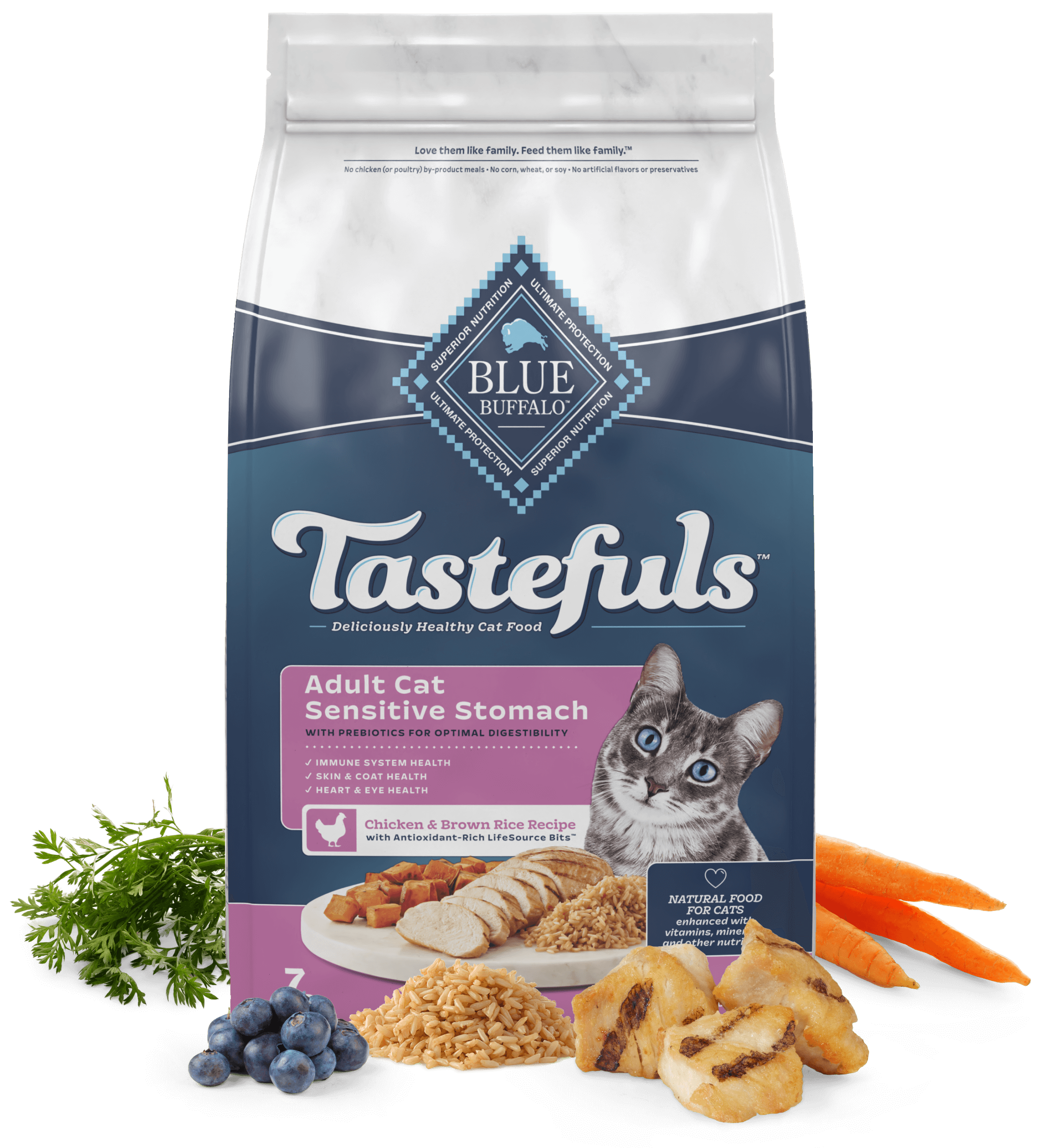
Credit: www.bluebuffalo.com
Frequently Asked Questions
What Ingredients Are Best For Cats With Sensitive Stomachs?
Hypoallergenic ingredients like novel proteins, pumpkin, and rice soothe sensitive stomachs. Avoid artificial additives and fillers to reduce digestive issues.
How Can I Tell If My Cat Has A Sensitive Stomach?
Look for symptoms like vomiting, diarrhea, gas, or frequent stomach discomfort. A vet can confirm if your cat has a sensitive stomach.
Is Grain-free Cat Food Better For Sensitive Stomachs?
Grain-free foods may help some cats with allergies, but not all sensitive cats need grain-free diets. Choose based on your cat’s specific needs.
How Do I Switch My Cat To Sensitive Stomach Food?
Gradually mix new food with old over 7-10 days. This reduces digestive upset and helps your cat adjust comfortably.
Conclusion
Choosing the right food helps your cat feel better every day. Sensitive stomachs need gentle ingredients and good nutrition. Watch how your cat reacts to new food. Patience is key to find what suits best. Healthy meals support a happy and active life.
Your cat deserves comfort and care in every bite. Keep learning and adjusting for your pet’s health. Small changes can make a big difference. Give your cat the best chance to thrive.