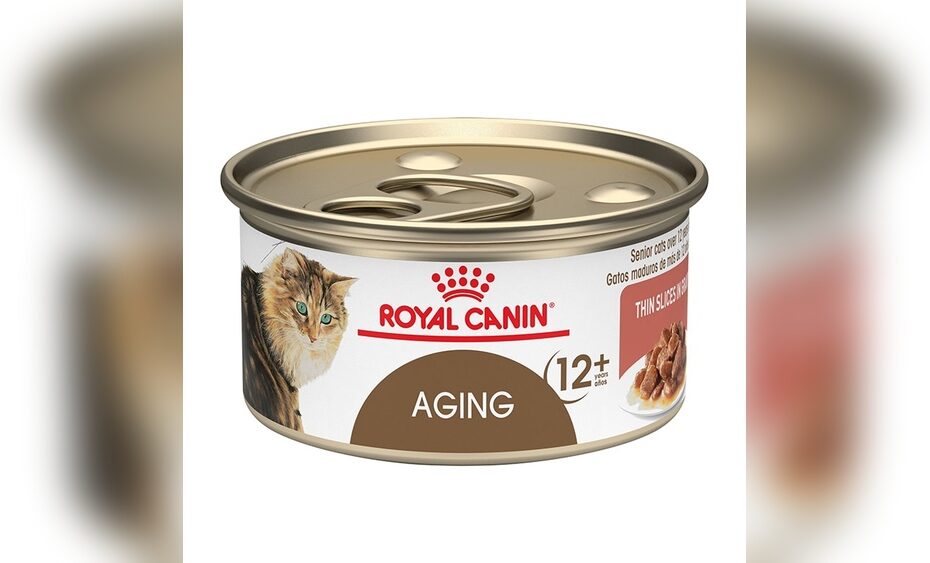
As your cat grows older, their needs change—and so does the food that keeps them healthy and happy. Finding the best cat food for senior cats can feel overwhelming, but it’s one of the most important ways you can support your furry friend’s well-being.
You want to make sure your cat gets the right nutrients to stay active, maintain a healthy weight, and enjoy their golden years. You’ll discover simple tips and top food choices designed specifically for senior cats. Keep reading to learn how to give your beloved companion the care they deserve every mealtime.

Credit: portlandpetfoodcompany.com
Also Read

Nutritional Needs Of Senior Cats
Senior cats have special nutritional needs that differ from younger cats. Their bodies change, and so do their diets. Proper nutrition helps keep them healthy and active. It also supports their aging organs and joints. Understanding these needs is key to choosing the best food for older cats.
Key Nutrients For Aging Cats
Senior cats need protein to maintain muscle strength. High-quality protein supports their body repair. Fat content should be moderate to avoid weight gain. Omega-3 fatty acids help reduce inflammation and support brain health. Fiber aids in digestion and prevents constipation. Vitamins and minerals like vitamin E and calcium are important for immune and bone health.
Common Health Concerns
Older cats often face kidney problems. Low phosphorus diets can ease kidney stress. Dental health may decline, making dry food hard to chew. Weight management becomes crucial to avoid obesity or malnutrition. Joint pain is common, so nutrients like glucosamine can help. Regular vet checks catch health issues early.
Adjusting Diets With Age
Senior cats may eat less due to lower activity. Smaller, frequent meals can improve intake. Soft or wet food suits cats with dental issues. Reduce calories if your cat is less active. Increase water intake to support kidney health. Monitor weight and adjust food portions regularly to keep your cat fit.
Types Of Cat Food For Seniors
Choosing the right food for senior cats is important for their health. Older cats have special needs. Their digestion, energy, and joint health change with age. Different types of cat food meet these needs in unique ways. Understanding these types helps pick the best option for your cat’s stage of life.
Wet Vs. Dry Food
Wet food contains more moisture than dry food. This helps keep older cats hydrated. It also tends to be easier to chew. Dry food is convenient and helps keep teeth clean. Some senior cats prefer wet food’s taste and texture. Others like the crunch of dry food. Many owners mix both types for balance.
Grain-free Options
Grain-free cat food avoids corn, wheat, and soy. These grains can cause allergies or digestion problems. Grain-free diets often use meat or vegetables as main ingredients. This type suits cats with sensitive stomachs. It supports healthy weight and energy levels. Grain-free food can improve coat and skin health too.
Prescription Diets
Prescription diets are special foods made for health issues. Vets recommend them for kidney problems, diabetes, or arthritis. These diets have controlled nutrients and added supplements. They help manage diseases and improve quality of life. Always follow your vet’s advice when using prescription food. It keeps your senior cat safe and healthy.
Top Ingredients To Look For
Choosing the best food for senior cats means focusing on key ingredients. These ingredients support their health and keep them active. Senior cats need special nutrients to stay strong and happy. Quality matters more than quantity in their diet.
High-quality Proteins
Proteins help maintain muscle mass in older cats. Look for real meat sources like chicken, turkey, or fish. Avoid foods with fillers or by-products. Good protein supports energy and overall health. Older cats digest proteins better from animal sources.
Essential Fatty Acids
Fatty acids like omega-3 and omega-6 reduce inflammation. They promote healthy skin and a shiny coat. These fats also support brain and joint health. Fish oil and flaxseed are excellent sources. Balanced fatty acids help senior cats feel comfortable and active.
Vitamins And Minerals
Vitamins A, E, and B-complex keep the immune system strong. Minerals like calcium and phosphorus maintain bone health. Antioxidants help fight cell damage caused by aging. Look for foods enriched with these nutrients. Proper vitamins and minerals improve quality of life for senior cats.

Credit: www.rearoadanimalhospital.com
Recommended Cat Food Brands
Choosing the right food brand is key for senior cats’ health. Older cats have special needs. Their food must support joints, digestion, and weight. Some brands focus on these areas. They offer balanced nutrition for aging cats.
Quality matters. Good brands use better ingredients. They avoid fillers and artificial additives. This helps keep your cat strong and happy.
Premium Commercial Brands
Many premium brands provide complete nutrition for senior cats. These foods contain high protein and low carbs. They include vitamins for immune support. Brands like Hill’s Science Diet and Royal Canin are popular. Their recipes suit older cats’ needs well. They also help with kidney and joint health.
Organic And Natural Choices
Some pet owners prefer organic or natural foods. These options use fewer chemicals and additives. Ingredients often come from farms without pesticides. Brands such as Blue Buffalo and Wellness offer natural senior cat food. They focus on real meat and whole foods. This helps cats digest food easily and stay healthy.
Veterinarian-approved Options
Veterinarians recommend certain brands for senior cats. These foods support specific health issues. Prescription diets from brands like Purina Pro Plan Veterinary Diets help cats with kidney or urinary problems. They are made with careful research. Using vet-approved food can improve your cat’s quality of life.
Feeding Tips For Senior Cats
Feeding senior cats requires special care and attention. Their bodies change with age, and so do their dietary needs. Proper feeding helps keep them healthy and active. It also supports their energy and weight management. Here are some simple feeding tips for senior cats.
Portion Control And Frequency
Older cats need smaller, more frequent meals. Large meals can be hard to digest. Feed your cat two to four times a day. Measure portions to avoid overfeeding. Balanced meals prevent obesity and keep energy steady.
Hydration Strategies
Senior cats need plenty of water. Dehydration can cause kidney problems. Offer fresh water daily in a clean bowl. Wet cat food helps increase moisture intake. Try adding water or broth to dry food.
Monitoring Weight And Health
Check your cat’s weight regularly. Sudden weight loss or gain signals health issues. Watch for changes in appetite or behavior. Consult a vet if you notice problems. Early detection helps manage health better.
Signs Of Dietary Issues
Senior cats need special care in their diet. Signs of dietary issues show when their food does not meet their needs. These signs help you understand if your cat’s food is right or not. Watch your cat closely for any changes.
Changes In Appetite
Senior cats might eat less or more than usual. A sudden loss of appetite can signal a problem. Eating too much can also mean the food lacks nutrients. Notice if your cat refuses food or eats quickly. These are important clues about their health.
Digestive Problems
Digestive issues are common in older cats with wrong diets. Vomiting, diarrhea, or constipation may occur. Look for signs like bloating or gas. Poor digestion can cause discomfort and weight loss. A healthy diet helps keep their stomach calm and working well.
Behavioral Changes
Diet affects your cat’s mood and activity level. Tiredness, irritability, or hiding can show dietary problems. Senior cats may become less playful or active. Watch for unusual behavior changes. These changes often link to what they eat.
Homemade Vs. Commercial Diets
Senior cats need special care in their diet. Choosing between homemade and commercial food is important. Both options have benefits and challenges. Understanding these helps provide the best nutrition for aging cats.
Pros And Cons
Homemade diets allow control over ingredients. You can avoid fillers and allergens. Fresh food may appeal more to picky eaters. But, homemade meals can lack balanced nutrients if not made right. Preparation takes time and effort.
Commercial diets are convenient and time-saving. They are made to meet nutritional needs. Many brands offer formulas for senior cats. Some cats may not like the taste. Some commercial foods contain additives or fillers.
Balanced Recipe Ideas
A good homemade recipe includes protein, fats, and vitamins. Cooked chicken or turkey works well. Add cooked vegetables like carrots or peas. Include a small amount of rice or oats for energy. Avoid onions, garlic, and raw fish. Supplements may be needed to balance nutrients.
Consulting A Vet
Always talk to a vet before changing your cat’s diet. They can recommend the best food type. Vets can advise on supplements if using homemade meals. Regular check-ups help track your cat’s health and diet effects. This ensures your senior cat stays healthy and happy.
:max_bytes(150000):strip_icc()/hills-science-adult-oral-care-cat-food-3a6204fba74a4dfd8a30037d53e03a7a.jpg)
Credit: kdfoundation.org
Frequently Asked Questions
What Nutrients Are Essential In Senior Cat Food?
Senior cat food should be rich in protein, low in fat, and contain antioxidants. Omega-3 fatty acids support joint health. Fiber aids digestion. Vitamins E and C boost immunity. These nutrients help maintain energy, muscle mass, and overall health in older cats.
How To Choose The Best Cat Food For Seniors?
Look for senior-specific formulas with balanced nutrients. Check for high-quality protein sources and limited fillers. Avoid artificial preservatives and fillers. Consult your vet for special dietary needs. Consider wet food for hydration and easier chewing. Always monitor your cat’s weight and health.
Can Senior Cats Eat Regular Adult Cat Food?
Senior cats need diets tailored to aging bodies. Regular adult cat food may lack essential nutrients for seniors. It might have higher calories, leading to weight gain. Specialized senior food supports kidney function, joints, and digestion. Always transition gradually and consult your vet.
How Often Should I Feed My Senior Cat?
Feed senior cats small, frequent meals daily. Two to three meals per day are ideal. Smaller portions aid digestion and prevent overeating. Monitor your cat’s appetite and adjust portions accordingly. Consistent feeding times help maintain routine and digestive health.
Conclusion
Choosing the right food helps keep senior cats healthy and happy. Nutrients like protein and vitamins support their aging bodies. Feeding quality cat food can improve energy and joint health. Watch your cat’s weight and adjust meals as needed. Regular vet visits help catch health issues early.
Good food and care mean more playful, loving years together. Simple choices make a big difference in your cat’s life. Take time to find the best food for your senior cat. Your cat will thank you with purrs and cuddles.