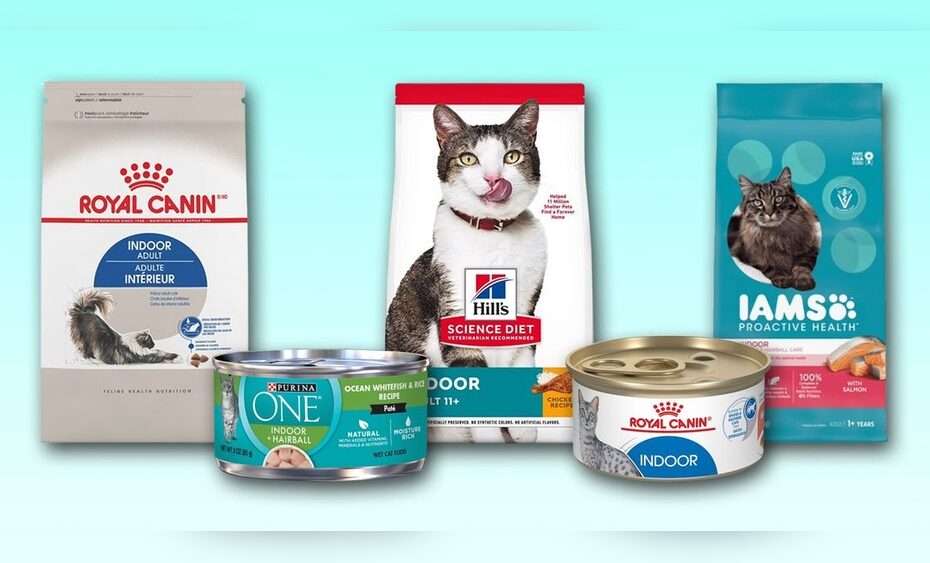
If you have an indoor cat, you know how important it is to keep them healthy and happy. Choosing the best cat food for your indoor feline can make a big difference in their energy, weight, and overall well-being.
But with so many options out there, how do you find the perfect one? This guide will help you discover the top cat foods designed specifically for indoor cats, so you can feel confident that your furry friend is getting the nutrition they need.
Keep reading to learn what to look for and which products stand out from the rest.
Also Read


Why Indoor Cats Need Special Diets
Indoor cats live a different life than outdoor cats. Their diet needs to match their lifestyle. Special diets help keep indoor cats healthy and happy. Indoor cats move less and have different energy needs. Choosing the right food supports their unique health requirements.
Differences Between Indoor And Outdoor Cats
Outdoor cats explore and hunt actively. They burn more calories daily. Indoor cats stay inside and move less. Their energy needs are lower. Outdoor cats eat more protein and fat naturally. Indoor cats need food that fits their calm lifestyle. Indoor cats face fewer infections but more weight issues.
Common Health Issues In Indoor Cats
Indoor cats often gain excess weight. This can lead to diabetes and joint problems. They also face hairballs from grooming. Urinary tract issues are common too. Lack of exercise affects their muscles and bones. Proper diet helps reduce these risks. Food with balanced nutrients supports their health.
Nutritional Requirements For Indoor Cats
Indoor cats need fewer calories but high-quality protein. Fiber helps control hairballs and digestion. Moisture in food supports urinary tract health. Vitamins and minerals keep their immune system strong. Food should be low in fat to prevent obesity. Special diets meet these needs perfectly for indoor cats.
Credit: www.businessinsider.com
Key Ingredients To Look For
Choosing the right food for indoor cats needs careful thought. Indoor cats have different needs than outdoor cats. Their activity level is lower, and they may gain weight easily. The ingredients in their food must support health and energy without extra calories. This section covers key ingredients to focus on for indoor cat food.
High-quality Proteins
Proteins help build strong muscles and keep cats active. Look for real meat like chicken, turkey, or fish as the first ingredient. Avoid foods with vague terms like “meat meal” or “animal by-products.” High-quality proteins provide essential amino acids for growth and repair. They also help maintain lean body mass.
Essential Fatty Acids
Fatty acids like Omega-3 and Omega-6 keep skin and coat healthy. They also support brain function and reduce inflammation. Fish oil and flaxseed are good sources of these fats. Including essential fatty acids in cat food helps keep indoor cats shiny and comfortable.
Fiber And Digestive Support
Fiber aids digestion and prevents hairball problems. It helps maintain regular bowel movements and controls weight. Ingredients like beet pulp, pumpkin, or chicory root add healthy fiber. Fiber supports gut health and keeps cats feeling full longer.
Limited Fillers And Additives
Too many fillers add calories without nutrition. Avoid corn, wheat, and soy as main ingredients. These fillers can cause allergies and digestive issues. Artificial colors, flavors, and preservatives offer no health benefits. Choose foods with natural ingredients and fewer additives for better health.
Top Dry Cat Foods For Indoor Cats
Dry cat food is a popular choice for indoor cats. It helps keep their teeth clean and is easy to store. The right dry food supports their health and energy. Indoor cats need food that matches their lower activity level.
Choosing the best dry food means finding good nutrition and taste. Here are some top dry cat food options for indoor cats.
Premium Brands With Balanced Nutrition
Premium dry cat foods offer high-quality ingredients. They include proteins, vitamins, and minerals for indoor cats. These brands focus on balanced nutrition to support healthy weight and digestion. Many use real meat and avoid fillers. They help maintain shiny coats and strong muscles. These options suit cats with sensitive stomachs or allergies. Feeding premium food often means fewer health issues.
Budget-friendly Options
Budget-friendly dry cat foods provide good nutrition at a lower cost. They use a mix of protein and grains for energy. These options meet basic dietary needs without overspending. Many brands offer formulas designed for indoor cats. They help control weight and reduce hairballs. These foods are widely available in stores and online. Budget options suit cat owners with limited budgets but still care about health.
Grain-free Choices
Grain-free dry cat foods avoid corn, wheat, and soy. These grains can cause allergies or digestion problems in some cats. Grain-free options focus on meat and vegetables instead. They support better nutrient absorption and reduce stomach upset. Many indoor cats benefit from grain-free diets for clearer skin and less itching. Grain-free dry food often includes omega fatty acids for coat health. These choices are good for cats with food sensitivities.
Best Wet Cat Foods For Indoor Cats
Wet cat food offers many benefits for indoor cats. It contains more water than dry food. This helps keep cats hydrated, especially if they do not drink enough water. Wet food often has higher protein and fewer carbohydrates, matching a cat’s natural diet. It also tends to be more flavorful and easier to chew. Many indoor cats find wet food more enjoyable.
Benefits Of Wet Food
Wet food boosts hydration, which supports kidney health. It helps prevent urinary tract problems common in indoor cats. The soft texture is gentle on teeth and gums. Wet food usually has fewer fillers and more real meat. This supports lean muscle and overall health. It also reduces the chance of obesity by keeping cats full longer.
Top-rated Wet Food Brands
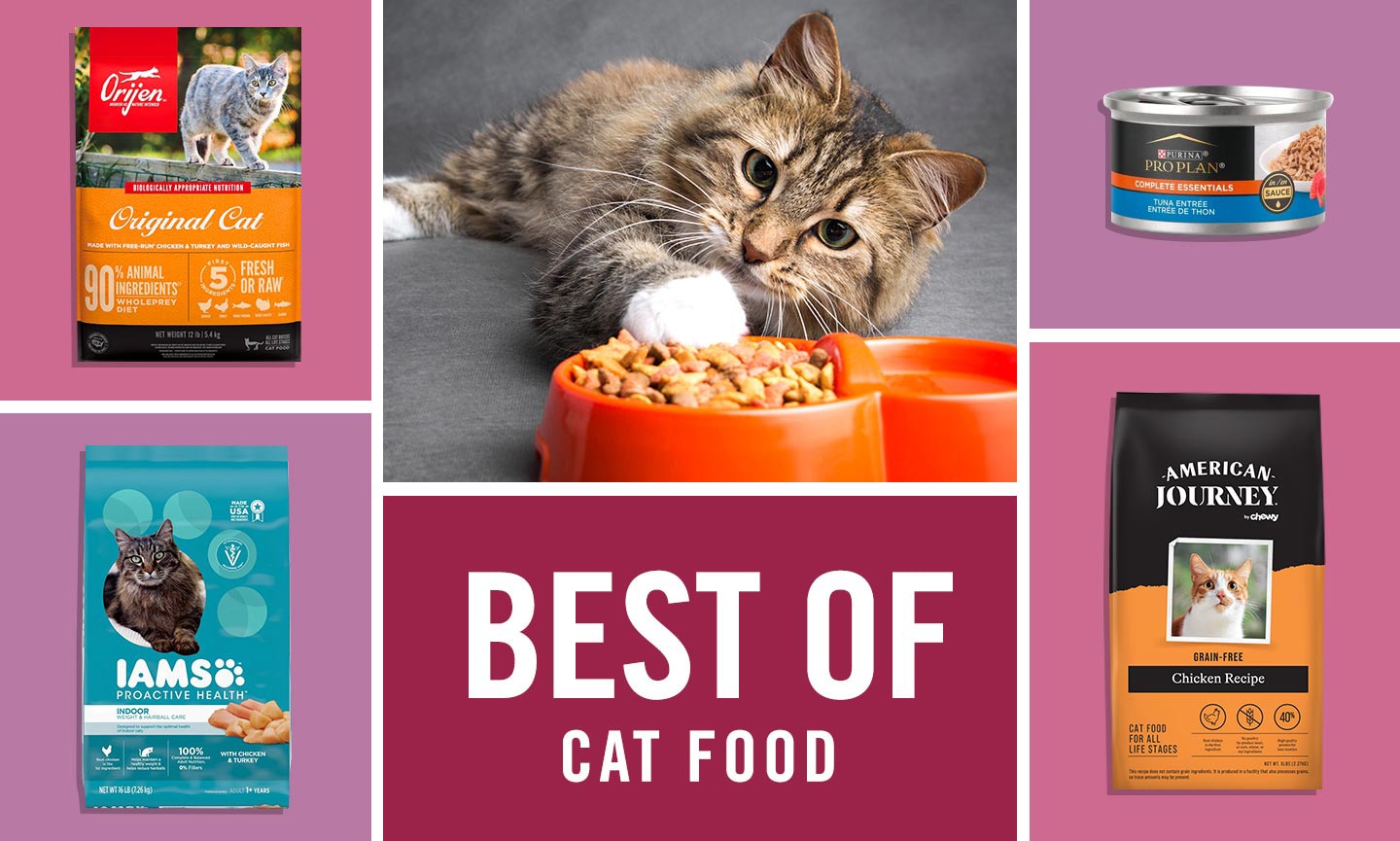
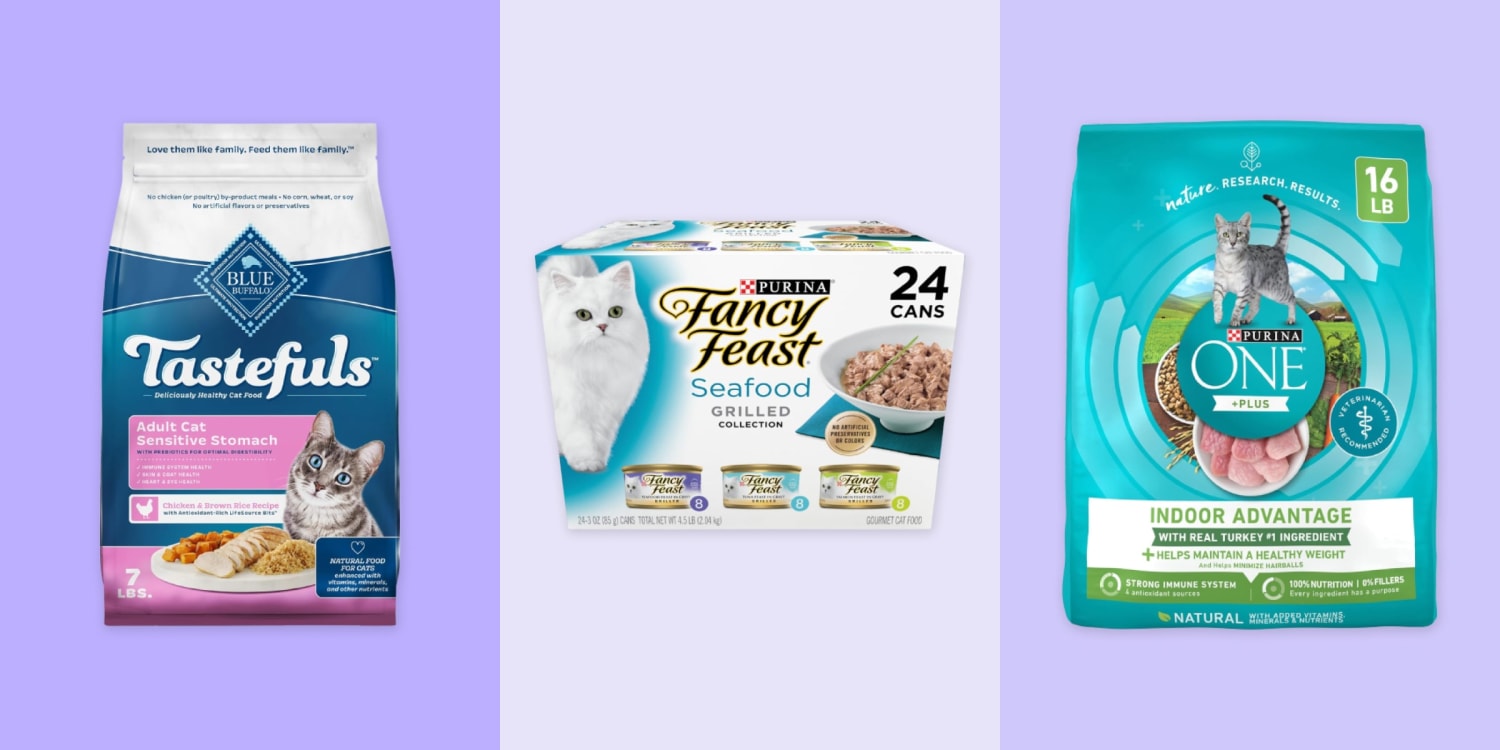
Several brands offer quality wet food for indoor cats. Look for those with high protein and low carbs. Brands like Wellness, Blue Buffalo, and Natural Balance are popular choices. They use real meat and avoid artificial ingredients. These brands often provide special formulas for indoor cats. They focus on weight control and digestive health.
Homemade Wet Food Ideas
Homemade wet food allows control over ingredients. Simple recipes include cooked chicken, pumpkin, and rice. Avoid onions, garlic, and spices harmful to cats. Add a small amount of fish oil for healthy fats. Always consult a vet before changing diets. Fresh, homemade meals can improve appetite and health.
Special Diets For Specific Needs
Indoor cats have unique needs. Their lifestyle means they may face different health challenges than outdoor cats. Special diets can help meet these needs. These diets support their health and keep them happy.
Choosing the right food can make a big difference. It helps maintain a healthy weight, reduce hairballs, and avoid allergies. Understanding these special diets is key for every indoor cat owner.
Weight Management Formulas
Indoor cats often move less. This can lead to weight gain. Weight management formulas have fewer calories and more fiber. They help cats feel full without overeating. These foods support a healthy weight and reduce obesity risks.
Hairball Control Foods
Indoor cats groom themselves a lot. This can cause hairballs. Hairball control foods contain extra fiber. Fiber helps move hair through the digestive system. These foods reduce hairball problems and keep cats comfortable.
Allergy-friendly Options
Some cats have food allergies or sensitivities. Allergy-friendly foods use limited ingredients. They avoid common allergens like grains or certain proteins. These diets help reduce itching, digestion issues, and other allergy signs.
Tips For Transitioning Cat Food
Changing your indoor cat’s food needs care and patience. Sudden changes can upset your cat’s stomach. Follow these tips to help your cat adjust smoothly. A good transition keeps your cat healthy and happy.
Gradual Introduction Techniques
Start by mixing a small amount of new food with the old. Over 7 to 10 days, increase the new food portion. Slowly change the ratio to avoid digestive problems. Watch your cat’s eating habits closely during this time.
Monitoring Your Cat’s Reaction
Check your cat’s stool and appetite daily. Look for signs of diarrhea or vomiting. If your cat refuses to eat, pause the change for a day. Keep an eye on energy levels and mood. Healthy cats usually adapt well with time.
Avoiding Common Feeding Mistakes
Do not switch food abruptly. Avoid feeding too many treats during the transition. Stay consistent with feeding times and portions. Never mix more than two types of food at once. Keep fresh water available at all times.
Additional Tips For Indoor Cat Health
Indoor cats need more than just good food for a healthy life. Their environment can limit natural activities. This makes it important to support their health in other ways. Small changes can help your cat stay active, hydrated, and healthy. These tips improve their quality of life and keep them happy.
Encouraging Exercise And Play
Indoor cats need exercise to avoid weight gain. Playtime helps them stay strong and alert. Use toys like feather wands or laser pointers. Rotate toys to keep your cat interested. Short, frequent play sessions work best. Encourage climbing with cat trees or shelves. This mimics their natural hunting behavior and boosts fitness.
Regular Vet Checkups
Regular vet visits catch health problems early. Indoor cats still face risks like dental issues or obesity. Schedule checkups at least once a year. Keep vaccinations and parasite control up to date. Your vet can advise on diet and exercise. Early detection helps treat diseases before they worsen.
Hydration And Water Intake
Water is vital for indoor cats’ health. Cats often drink less, risking kidney problems. Provide fresh water daily in clean bowls. Consider water fountains to attract them to drink more. Wet cat food also increases water intake. Place water bowls in quiet, easy-to-reach spots.
Credit: www.esseg.eu
Credit: www.nbcnews.com
Frequently Asked Questions
What Is The Best Cat Food For Indoor Cats?
The best cat food for indoor cats is low in calories and high in fiber. It helps prevent weight gain and supports digestion. Look for formulas rich in protein and essential nutrients to keep indoor cats healthy and active.
How To Choose Cat Food For Indoor Cats?
Choose cat food with balanced nutrients, including protein, fiber, and vitamins. Avoid high-carb ingredients. Select options designed for indoor cats to manage weight and promote urinary health. Always check ingredient quality and consult your vet for personalized advice.
Are Wet Or Dry Foods Better For Indoor Cats?
Wet food is better for indoor cats as it increases hydration and reduces urinary issues. Dry food can help with dental health but may cause dehydration if water intake is low. A mix of both often works best for balanced nutrition.
How Much Food Should Indoor Cats Eat Daily?
Indoor cats need controlled portions to prevent obesity. Generally, feed 20 calories per pound of body weight daily. Follow package guidelines and adjust based on activity and weight. Regular vet check-ups help determine the right amount for your cat.
Conclusion
Choosing the right food keeps indoor cats healthy and happy. Quality ingredients support their energy and digestion. Balanced nutrition helps maintain a healthy weight. Always check labels for essential nutrients like protein and vitamins. Fresh water is important alongside good food.
Regular feeding times create a routine cats enjoy. Small changes can make a big difference in your cat’s life. Caring for your indoor cat with proper food shows love and attention. Simple steps lead to a long, joyful life for your pet.