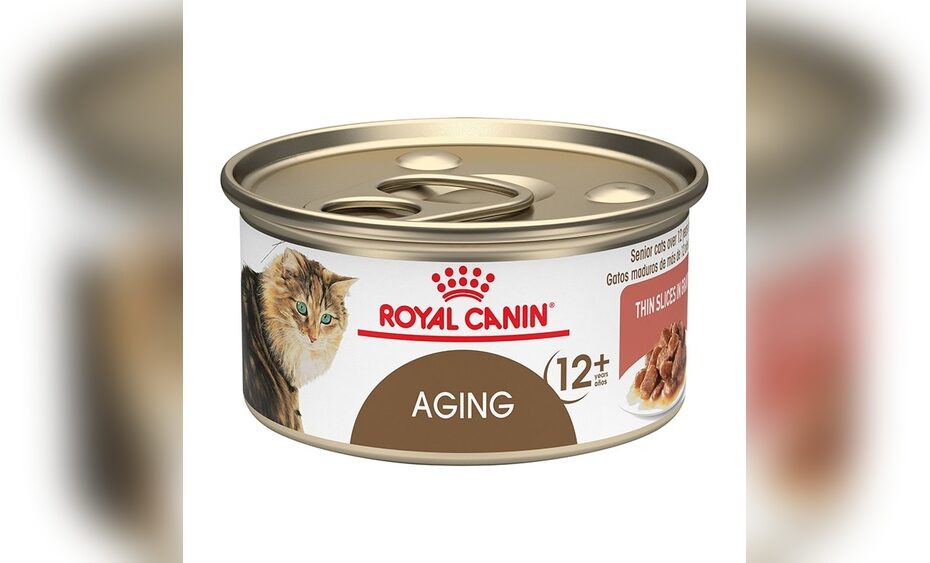
As your cat grows older, you want to make sure they stay healthy and happy. Choosing the best cat food for older cats is one of the most important steps you can take.
You might wonder what makes a cat food perfect for senior cats or how to find the right balance of nutrients. You’ll discover simple tips and top recommendations that will help your furry friend feel their best every day. Keep reading to learn how to give your older cat the care they truly deserve.
Also Read




Nutritional Needs Of Senior Cats
Senior cats need special food to stay healthy and active. Their bodies change with age. Nutrients that helped them before might not be enough now. Older cats need a diet that supports their joints, heart, and brain. It also helps keep their immune system strong. Understanding these needs helps choose the best food for them.
Protein And Amino Acids
Protein is vital for older cats. It helps maintain muscle mass and repair tissues. Quality protein supports their energy and strength. Amino acids, the building blocks of protein, are essential. They help keep organs working well. Older cats need protein that is easy to digest. This helps avoid weight loss and muscle weakness.
Essential Fatty Acids
Fatty acids support the skin and coat health of senior cats. They also reduce inflammation in joints. Omega-3 and omega-6 fatty acids improve brain and eye function. These fats help keep fur shiny and soft. Including these fats in food aids overall well-being. They also support heart health in older cats.
Vitamins And Minerals
Vitamins and minerals keep older cats strong. Vitamin E and C boost the immune system. Calcium and phosphorus support bone health. Zinc helps heal wounds and keeps skin healthy. Older cats may need extra vitamins to fight aging effects. Balanced minerals prevent problems like kidney disease. Proper levels keep their body working well.
Hydration Importance
Water is crucial for senior cats. Older cats often drink less water. Dehydration can cause serious health issues. Wet cat food helps increase water intake. Proper hydration supports kidney and bladder health. It also aids digestion and nutrient absorption. Always provide fresh water for your older cat.
Credit: kdfoundation.org
Common Health Issues In Older Cats
Older cats face many health challenges that affect their quality of life. These common issues need special attention through diet and care. Understanding these problems helps you choose the best food for your senior cat.
Kidney Health
Kidney problems are common in older cats. Their kidneys work less well over time. A diet low in phosphorus and protein can ease the strain on kidneys. Special cat food can support kidney function and slow damage.
Weight Management
Older cats often gain or lose too much weight. Less activity and slower metabolism cause weight gain. Excess weight strains the heart and joints. Cat food with balanced calories helps keep a healthy weight. Maintaining weight supports overall health and energy.
Dental Care
Dental issues affect many senior cats. Tartar build-up and gum disease cause pain and eating problems. Dry kibble can help reduce plaque. Wet food may be easier for cats with tooth pain. Good dental health improves appetite and comfort.
Joint Support
Arthritis and joint pain affect movement in older cats. Stiff joints can reduce activity and cause discomfort. Foods with added omega-3 fatty acids and glucosamine support joint health. Proper nutrition helps cats stay active and mobile longer.
Types Of Cat Food For Seniors
Older cats need special care in their diet. Different types of food help meet their changing health needs. Choosing the right food supports their energy and keeps them healthy. Here are common types of cat food for senior cats.
Wet Food Benefits
Wet food has high moisture content. It helps older cats stay hydrated. This food is soft and easy to chew. It suits cats with dental problems. Wet food often contains fewer carbs. It usually has strong flavors that cats enjoy.
Dry Food Advantages
Dry food is easy to store and serve. It helps keep teeth clean by reducing plaque. Dry food is often less costly than wet food. It has a longer shelf life after opening. This type provides a crunchy texture cats like. Some formulas have added nutrients for seniors.
Raw And Homemade Diets
Raw and homemade diets offer fresh ingredients. They allow control over what cats eat. These diets can include meat, vegetables, and supplements. They may suit cats with allergies or sensitivities. Preparation requires care to ensure safety. Consult a vet before starting this diet.
Specialty Prescription Diets
Prescription diets target specific health issues. They help with kidney problems, weight control, or digestion. Vets recommend these diets after a health check. Prescription food often has balanced nutrients for seniors. It supports cats with chronic illnesses. Follow vet instructions closely with these diets.
Top Ingredients To Look For
Choosing the right ingredients in cat food helps keep older cats healthy and active. Older cats need special nutrients to support their aging bodies. Good ingredients improve digestion, boost immunity, and maintain strong muscles. Here are the top ingredients to watch for in senior cat food.
High-quality Proteins
Proteins build and repair muscles, vital for older cats. Look for real meat, like chicken, turkey, or fish, listed first. Avoid by-products or meat meals with unclear sources. High-quality protein helps maintain lean body mass and energy.
Antioxidants And Fiber
Antioxidants protect cells from damage and support the immune system. Common antioxidants include vitamins E and C. Fiber aids digestion and helps prevent constipation. Ingredients like pumpkin or beet pulp offer good fiber sources.
Omega Fatty Acids
Omega-3 and omega-6 fatty acids improve skin and coat health. They reduce inflammation in joints and organs. Fish oil and flaxseed are rich in these healthy fats. These fats support brain health and overall well-being.
Limited Fillers And Additives
Avoid foods with many fillers like corn, wheat, or soy. These add little nutrition and can cause allergies. Artificial colors, flavors, and preservatives can irritate sensitive cats. Choose foods with simple, natural ingredients for best results.
Recommended Brands And Products
Choosing the right food helps keep older cats healthy and active. Brands differ in quality, ingredients, and benefits. This guide lists trusted options for senior cats. It covers premium, vet-recommended, budget-friendly, and natural foods. Each category suits different needs and budgets.
Premium Commercial Options
Premium cat foods use high-quality ingredients. They support aging cats with added nutrients. Brands like Hill’s Science Diet and Blue Buffalo offer formulas for joint health. These foods have balanced proteins and fats. They help maintain muscle and energy levels.
Veterinary-recommended Foods
Veterinarians suggest specific diets for cats with health issues. Royal Canin and Purina Pro Plan Veterinary Diets are common choices. These foods target kidney health, digestion, and weight control. They often require a vet’s approval before purchase.
Budget-friendly Choices
Affordable brands still provide good nutrition. Fancy Feast and Friskies offer senior cat formulas at lower prices. These options include essential vitamins and minerals. They keep older cats nourished without overspending.
Organic And Natural Picks
Natural foods use fewer artificial ingredients. Wellness CORE and Nutro focus on organic proteins and grains. These foods suit cats with sensitive stomachs. They promote healthy digestion and a shiny coat.
Credit: www.esseg.eu
Feeding Tips For Older Cats
Feeding older cats needs special care to keep them healthy and happy. Their bodies change, and so do their nutritional needs. Good feeding habits help maintain weight, energy, and overall health. These tips will help you feed your senior cat right.
Portion Control
Older cats need fewer calories than young cats. Too much food can cause weight gain and health problems. Measure your cat’s food carefully. Follow the feeding guide on the cat food package. Adjust portions based on your cat’s activity and weight. Small portions help avoid overeating.
Meal Frequency
Older cats often do better with small, frequent meals. Feeding two to four times a day keeps energy steady. It also helps digestion and reduces hunger. Set regular feeding times. This routine makes your cat feel secure and comfortable.
Transitioning Foods
Change your cat’s food slowly to avoid stomach upset. Mix the new food with the old food over 7 to 10 days. Increase the amount of new food daily. Watch for any signs of discomfort or allergies. A smooth transition helps your cat accept the new diet.
Monitoring Appetite And Weight
Keep an eye on your cat’s eating habits and weight. Loss of appetite or sudden weight changes can signal health issues. Weigh your cat regularly and note any changes. Consult your vet if your cat eats less or gains too much weight. Early action keeps your cat healthy.
Signs Of Food Sensitivities
Older cats can develop food sensitivities that affect their health. These sensitivities cause discomfort and reduce their quality of life. Recognizing the signs early helps you choose the best cat food for older cats. Watch for changes in digestion, skin, and behavior. These clues point to possible food problems.
Digestive Issues
Food sensitivities often cause digestive problems. Your cat may vomit more than usual. Diarrhea or soft stools can also appear. Sometimes, your cat might have gas or bloating. These signs show the cat’s body reacts badly to certain foods. Tracking these symptoms helps find the right diet.
Skin Reactions
Skin problems are common with food sensitivities. Your cat may scratch or lick paws often. Red or inflamed skin can show up too. Hair loss in patches may also occur. These symptoms mean the skin is irritated by something in the food. Healthy skin improves with proper nutrition.
Behavioral Changes
Food sensitivities can change your cat’s mood. Your cat may seem restless or irritable. They might hide or avoid playtime. Loss of appetite can happen as well. These changes suggest your cat feels unwell. Adjusting the diet can help bring back normal behavior.
Credit: kdfoundation.org
Supplements To Consider
Older cats have different nutritional needs. Supplements can help fill those gaps. They support health and improve quality of life. Choosing the right supplements is key. Focus on those that target common aging issues.
Joint Health Support
Joint problems are common in senior cats. Supplements like glucosamine and chondroitin help ease joint pain. These ingredients support cartilage and improve mobility. Omega-3 fatty acids reduce inflammation and stiffness. Regular use can keep older cats active and comfortable.
Probiotics
Probiotics help maintain a healthy gut. They balance good bacteria in the digestive system. This can reduce diarrhea and improve nutrient absorption. Probiotics also boost the immune system. A healthy gut means better overall health for older cats.
Vitamins For Immunity
Vitamins strengthen the immune system in aging cats. Vitamin E and C act as antioxidants. They protect cells from damage and support healing. B vitamins help with energy and brain function. These vitamins keep older cats strong and alert.
Frequently Asked Questions
What Ingredients Are Best In Cat Food For Older Cats?
Older cats benefit from high-quality protein, omega-3 fatty acids, and antioxidants. These support muscle health, joint function, and immunity. Fiber helps digestion, while reduced phosphorus protects kidneys. Look for labeled senior formulas tailored for aging cats.
How Often Should I Feed My Senior Cat Daily?
Feeding senior cats small, frequent meals twice to three times daily is ideal. It aids digestion, maintains energy levels, and helps manage weight. Consistent meal timing supports their metabolism and keeps them comfortable throughout the day.
Can Older Cats Eat Regular Adult Cat Food?
Regular adult cat food lacks nutrients tailored for older cats. Senior formulas contain adjusted protein, fat, and vitamins to support aging bodies. Feeding older cats adult food may lead to weight gain or nutrient deficiencies over time.
Is Wet Or Dry Food Better For Older Cats?
Wet food is often better for older cats as it provides hydration and is easier to chew. Dry food can help dental health but may be harder to eat. A mix of both can balance nutrition and preferences.
Conclusion
Choosing the best cat food helps older cats stay healthy and happy. Nutrients like protein and vitamins support their energy and joints. Soft textures make eating easier for aging teeth. Always check ingredients to avoid fillers or harmful additives. Regular feeding with quality food improves their life quality.
Your cat deserves the best care in every stage. Keep their diet balanced and watch them thrive. Small changes in food can make a big difference. Care for your senior cat with love and smart choices.
📚 Trusted Pet Resources
Always consult your veterinarian for advice specific to your pet.
Where to Buy Cat Food for Older Cats
The food types and qualities described above are widely available online. To compare current options, ingredients, and prices, browse these categories:
Introduce any new food gradually over 7–10 days, and check with your veterinarian before changing the diet of a pet with a health condition.

Hello! I'm Khan Hisham, a dedicated student with a profound passion for enhancing the lives of pets through comprehensive care. At Pawspera, our mission—"Prospering Pets, Every Day"—drives everything we do. We are committed to providing the latest insights, tips, and products that ensure your pet's health and happiness. Join us at Pawspera as we explore innovative ways to care for our furry friends with love and dedication.