How Long to Give Joint Supplements to Dogs: Are you worried about your dog’s joint health? You’re not alone.
Many pet owners wonder how long they should give joint supplements to their furry friends. It’s a common concern, especially if you’ve noticed your pup slowing down or struggling with stairs. You want to ensure your dog stays active, happy, and healthy.
Also Read




But how do you know if you’re doing enough, or if you’re doing it for too long? This article is here to clear up the confusion and provide you with a straightforward answer. Dive in to discover the right duration for giving joint supplements to your dog, and ensure you’re making the best choice for their well-being. Your pet’s comfort and health might just depend on it!
Credit: topdoghealth.com
Importance Of Joint Health In Dogs
Joint health is vital for dogs. It keeps them active and happy. Dogs depend on their joints for movement. Healthy joints let them run, play, and explore. Joint issues can limit these activities. They can lead to pain and discomfort. Understanding joint health helps in caring for your dog. It ensures they stay lively and energetic.
Why Joint Health Matters
Dogs love to move. Their quality of life depends on mobility. Strong joints support this movement. They help in playing, jumping, and walking. Poor joint health can cause stiffness. It can lead to a slow, painful life. Ensuring joint health means a happier dog. It means more joyful years together.
Signs Of Joint Problems
Watch your dog closely. Limping is a common sign of joint problems. Trouble getting up or lying down can indicate issues. Reluctance to climb stairs is another clue. Dogs might avoid jumping onto furniture. Look for changes in their playfulness. These signs need attention.
Benefits Of Joint Supplements
Joint supplements can help maintain health. They provide essential nutrients. These nutrients support cartilage repair. Supplements can reduce inflammation. They offer pain relief. Dogs may regain their energy and playfulness. Quality of life can improve significantly.
Common Joint Issues In Dogs
When your furry friend starts limping or hesitating before jumping onto the couch, it might be a sign of joint issues. Joint problems are common in dogs, especially as they age. Understanding these issues can help you provide the best care and determine how long to give joint supplements.
Arthritis And Its Impact
Arthritis is one of the most frequent joint problems in dogs. It causes inflammation and pain in their joints, making movements difficult. Imagine your dog struggling to stand after a nap—that’s arthritis at play.
Older dogs are more prone, but arthritis can affect younger dogs too. Some breeds are genetically predisposed. Regular vet check-ups can help in early detection and management.
Hip Dysplasia Concerns
Hip dysplasia is another common issue, especially in larger breeds. This condition affects the ball and socket joint, leading to pain and reduced mobility. It often starts young but worsens with age.
Think of hip dysplasia as a misfit puzzle piece in your dog’s body. It doesn’t fit well, causing friction and discomfort. Early intervention with supplements can make a difference.
Signs Of Joint Pain
Recognizing signs of joint pain is crucial for timely action. Does your dog hesitate before climbing stairs? Do they seem less playful?
Some dogs may lick or chew at painful joints. Others might simply become more irritable. Watch for subtle changes in behavior—they’re often your best clues.
Have you noticed any of these signs in your dog? If so, it might be time to consider joint supplements. They could help alleviate pain and improve your dog’s quality of life.
Types Of Joint Supplements
Choosing the right joint supplement for your dog can be tricky. Different supplements offer unique benefits for canine joint health. It’s essential to know what each type can do. This helps in selecting the best option for your furry friend.
Glucosamine And Chondroitin
Glucosamine and chondroitin are popular in joint supplements. They help repair cartilage. This can reduce pain in your dog’s joints. Many vets recommend them for arthritis relief. They also support joint structure and function.
Omega-3 Fatty Acids
Omega-3 fatty acids are found in fish oils. They have anti-inflammatory properties. This makes them useful for joint issues. These acids can improve your dog’s mobility. They also promote a healthy coat and skin.
Msm And Its Benefits
MSM, or methylsulfonylmethane, is a natural compound. It helps reduce inflammation and pain. MSM supports collagen production. This is crucial for joint health. Dogs with joint discomfort may find relief with MSM supplements.
How Joint Supplements Work
Joint supplements can help dogs with joint pain. They provide essential nutrients to support joint health. These supplements target the root causes of joint discomfort. They aim to improve your dog’s quality of life. Understanding how they work can guide their effective use.
Reducing Inflammation
Inflammation can cause pain and stiffness in dogs. Ingredients like omega-3 fatty acids reduce inflammation. They help soothe swollen joints. Less inflammation leads to less pain. This makes movement easier for your dog.
Supporting Cartilage Health
Cartilage cushions the joints. Over time, it can wear down. Joint supplements provide nutrients like glucosamine and chondroitin. These nutrients help rebuild cartilage. Healthy cartilage protects bones from rubbing together. This reduces joint pain.
Improving Mobility
Joint pain limits a dog’s mobility. Supplements strengthen joints and reduce pain. This encourages more movement. Regular movement keeps joints flexible. It also helps maintain your dog’s overall health.
Recommended Duration For Supplement Use
Dogs benefit from joint supplements for six to eight weeks, ensuring noticeable improvement in mobility. Extend usage for continued support, as recommended by your veterinarian. Consistent monitoring helps adjust the dosage for your pet’s needs.
When considering the right duration for giving joint supplements to your dog, it’s essential to understand that there’s no one-size-fits-all answer. Dogs, like humans, have unique needs based on their age, size, health status, and lifestyle. Determining the correct length of time to administer these supplements can make all the difference in their effectiveness.
Short-term Vs Long-term Use
Some joint issues in dogs may only require short-term supplementation. Perhaps your furry friend has undergone surgery or experienced a minor injury. In these cases, supplements might only be necessary for a few weeks to aid recovery. Long-term use, however, is often recommended for chronic conditions like arthritis. This helps maintain joint health and mobility over time. My Labrador, Max, for instance, has been on glucosamine for the past two years, and it has noticeably improved his daily walks.
Factors Influencing Duration
Several factors influence how long you should give joint supplements to your dog. Age is a significant consideration; older dogs might need ongoing support due to natural wear and tear. The severity of the joint problem also plays a role; more severe cases often require prolonged use. Lifestyle factors, such as activity level and weight, can also affect duration. Active dogs or those with a few extra pounds might benefit from longer supplementation to support their joints. Have you noticed if your dog struggles with stairs or has a decreased interest in play? These observations can guide you in deciding the duration of supplement use. Always consult with your vet to tailor the supplement plan specifically for your dog. This ensures the best possible outcome and avoids unnecessary supplementation.
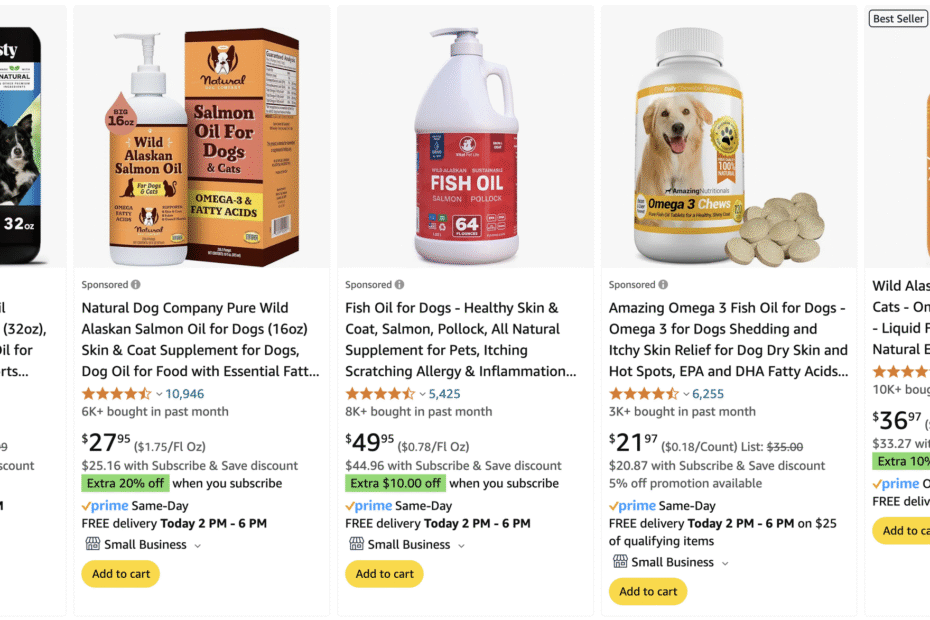
Credit: www.amazon.com
Monitoring Your Dog’s Progress
To see benefits, give your dog joint supplements consistently for at least 4-6 weeks. Regular monitoring helps track improvements like better movement and reduced pain. Consult a vet for personalized advice based on your dog’s specific needs.
Monitoring your dog’s progress while administering joint supplements is crucial for ensuring their effectiveness and optimizing your pet’s health. How do you know if the supplements are working? It’s all about careful observation and regular check-ins with your vet. You’ll want to keep an eye on your dog’s mobility and overall comfort. This section will guide you through the process of tracking improvements and adjusting your approach as needed.
Observing Changes In Mobility
When you start giving your dog joint supplements, pay close attention to their daily activities. Is your dog moving around more freely? Are they more eager to play or take long walks? Notice any changes in their ability to jump, run, or climb stairs. Keep a journal of their activity levels. Record specific behaviors, like how easily they get up after resting or any changes in their gait. This will help you identify patterns and determine whether the supplements are making a difference. Ask yourself: Are these changes consistent? Or do they vary from day to day? Your observations will provide valuable insights into your dog’s progress and help you decide if adjustments are necessary.
Regular Veterinary Check-ups
Regular visits to the vet are essential when your dog is on joint supplements. Your vet can offer a professional assessment of your dog’s joint health and track improvements over time. They may suggest diagnostic tests to gauge how well the supplements are working. During each visit, discuss any observations you’ve made. Share details from your journal with your vet; they can use this information to tailor advice and recommend other treatments if needed. Consider asking your vet: Are there any specific signs I should be looking for? Your vet’s expertise will guide you in monitoring your dog effectively and ensuring they receive the best care possible. As you navigate this process, remember that patience is key. Monitoring progress takes time, but your attentiveness will contribute greatly to your dog’s comfort and happiness.
Potential Side Effects And Precautions
Some dogs might experience mild digestive issues from joint supplements. Common signs include vomiting or diarrhea. Consult a vet before starting any supplement regimen to ensure safety and proper dosage. Regular monitoring helps prevent unwanted side effects, keeping your furry friend healthy and comfortable.
When considering joint supplements for your furry friend, it’s crucial to be aware of potential side effects and precautions. While these supplements can offer relief and improved mobility, they might also bring unexpected reactions. Knowing what to look for and how to ensure your dog’s safety can make all the difference in their health journey.
Identifying Adverse Reactions
It’s essential to monitor your dog closely after starting a new supplement. Watch for symptoms like vomiting, diarrhea, or a change in appetite. Behavioral changes such as lethargy or restlessness can also be red flags. If you notice anything unusual, consult your veterinarian promptly. They can help determine if the supplement is the cause or if another issue is at play. Trust your instincts; you know your pet better than anyone else. Have you ever started a new supplement for yourself and felt off? Your dog might experience similar discomfort. Always be vigilant and proactive about their well-being.
Safety Considerations
Before introducing any supplement, discuss it with your veterinarian. They can guide you on the right dosage and whether the supplement is suitable for your dog’s specific condition. Not all supplements are created equal, and some may interact with medications your dog is already taking. Consider starting with a lower dose to see how your dog reacts. Gradually increase it to the recommended level, keeping a close eye on their response. A cautious approach can prevent potential side effects from becoming severe. Do you have other pets at home? Keep supplements out of their reach to avoid accidental ingestion. Safety measures should extend to all your furry family members. Being informed and cautious ensures your dog gets the most benefit from their joint supplement without unnecessary risks. Your attention to detail is a vital part of their care.
Consulting With Veterinarians
Consulting with veterinarians is crucial for your dog’s health. They provide expert advice on the right supplements. Not all supplements work the same for every dog. A vet’s guidance ensures your dog gets what it needs. This approach helps in managing joint health effectively.
Importance Of Professional Guidance
Veterinarians have years of training and experience. They understand your dog’s specific health needs. They can recommend the best joint supplements. This ensures your dog stays healthy and active. Their advice prevents unnecessary side effects from wrong supplements.
Tailoring Supplements To Individual Needs
Every dog is unique. Some need more joint support than others. A veterinarian can assess your dog’s condition. They consider age, breed, and activity level. This helps in choosing the right supplement. Customized plans enhance your dog’s joint health.
Alternative Treatments For Joint Health
Joint health is crucial for dogs. Supplements can help, but alternatives exist. Exploring other treatments can provide additional benefits for your furry friend.
Physical Therapy Options
Physical therapy can improve joint health in dogs. Regular exercises strengthen muscles and joints. Hydrotherapy is a popular choice. Water supports the dog’s weight, reducing stress on joints. Gentle movements in water can boost mobility. Consult a specialist for tailored exercises.
Dietary Adjustments
Diet plays a vital role in joint health. Certain foods support healthy joints. Omega-3 fatty acids reduce inflammation. Fish oil is a great source. Antioxidants combat joint damage. Include fruits and vegetables in your dog’s diet. Weight management is crucial. Extra weight strains joints. A balanced diet helps maintain a healthy weight.
Success Stories And Testimonials
Success stories about joint supplements for dogs offer hope to pet owners. Many have seen remarkable improvements in their pets’ mobility and happiness. These real-life experiences provide reassurance and insight into how supplements can help.
Testimonials From Happy Pet Owners
Sarah from Texas noticed her dog, Max, struggled with stairs. After two months of supplements, Max climbs stairs without hesitation. His energy is back, and he plays more.
John in Florida shares his experience with Bella, his aging Labrador. Bella limped daily, but now she runs in the yard again. John credits supplements for her newfound vitality.
Veterinarian-approved Success Stories
Dr. Emily, a veterinarian in Chicago, recommends joint supplements. Her patients show improved mobility and reduced pain. She shares how supplements can help dogs live better lives.
Dr. Mark, based in Seattle, sees positive changes in dogs under his care. Owners report less stiffness and more activity. His approval adds credibility to supplement effectiveness.
Long-term Benefits Observed
Karen from New York mentions her dog, Rocky, has been on supplements for a year. Rocky jumps and plays like a puppy again. His long-term progress inspires Karen to continue.
Mike in California shares that his dog, Rex, has been active for several months. Rex’s joints seem healthier, and he moves with ease. Mike believes in the lasting benefits of supplements.
Credit: topdoghealth.com
Frequently Asked Questions
How Long Do Dogs Need Joint Supplements?
Dogs typically need joint supplements for 4 to 6 weeks initially. Some dogs may require long-term use for maintenance. Consult your vet for personalized recommendations based on your dog’s condition and lifestyle.
Are Joint Supplements Safe For All Dogs?
Joint supplements are generally safe for most dogs. However, consult your vet before starting them, especially for dogs with pre-existing health conditions or allergies.
Can Joint Supplements Improve Dog Mobility?
Yes, joint supplements can improve mobility by reducing inflammation and supporting joint health. They help in maintaining cartilage and reducing pain, enhancing overall movement.
What Ingredients Are In Dog Joint Supplements?
Common ingredients include glucosamine, chondroitin, MSM, and omega fatty acids. These components work together to support joint health and reduce inflammation.
Conclusion
Finding the right joint supplement duration is important for dogs. Each dog is different, so observe changes and consult your vet. Some dogs may need supplements longer. Others may show improvement quickly. Keep an eye on your dog’s behavior and comfort.
Adjust as needed. Regular check-ups can guide this process. Joint health impacts their quality of life. So, make informed choices for your furry friend. This ensures they stay active and happy. Remember, patience and consistency help in managing joint health.
Your dog’s well-being is the priority.
📚 Trusted Pet Resources
Always consult your veterinarian for advice specific to your pet.

Hello! I'm Khan Hisham, a dedicated student with a profound passion for enhancing the lives of pets through comprehensive care. At Pawspera, our mission—"Prospering Pets, Every Day"—drives everything we do. We are committed to providing the latest insights, tips, and products that ensure your pet's health and happiness. Join us at Pawspera as we explore innovative ways to care for our furry friends with love and dedication.